
Key Takeaways:
If you're stuck thinking about how to design your own Shopify website and need some inspiration to create something breathtaking?
Then, take a leaf out of some of the most beautiful websites that exist on Shopify. You can also get inspiration from our post on the top Shopify themes, which help to make your store stand out.
We highly discourage any copy and pasting of these designs because 1) those sites were customized for the brands themselves, it might not work best for yours, and 2) customers appreciate some individuality and originality when they browse your site, so do what's best for your brand!
What we do recommend though, is for your to scroll through the different website designs we've compiled and "do research" on how they combine stunning photography, sexy copy, and a beautiful design to bring out the best in their brand—and motivate their customers to make a purchase at their store.
Especially with Shopify introducing Online Store 2.0, there are massive opportunities for Shopify merchants to explore and discover the best design for your very own brand.
Some interesting insights from the announcement last June include the following:
- Upgraded theme architecture—providing easier and more flexible customization options for merchants.
- Flexible store content—merchants will be able to add the exact content they need to the product page, like a size chart or ingredient list.
- Enhancements to the theme editor—allowing merchants to easily update the hierarchy of a page.
(NOTE: Some of the ecommerce brands listed below use ReferralCandy as their referral and affiliate program software. If you're interested to learn how to set it up for your own Shopify store, here's a quick setup guide.) A solid referral program strategy should inform every design and setup decision — it's worth reviewing the fundamentals before diving into your Shopify configuration.
What makes a great Shopify website
Here are some key characteristics of a great Shopify website:
- It is mobile-friendly. More and more people are using their phones and tablets to shop online, so it is important that your website is optimized for mobile devices.
- It is easy to navigate. Your website should be easy to find what customers are looking for. The navigation should be clear and concise, and the search function should be easy to use.
- It is visually appealing. Your website should be visually appealing and engaging. The use of high-quality images and videos can help to create a positive first impression.
- It is secure. Customers need to feel confident that their personal information is safe when they shop on your website. Make sure that you use a secure payment processor and that your website is encrypted.
- It is optimized for search engines. You want your website to be found by potential customers when they search for products or services like yours. Make sure that you optimize your website for search engines by using relevant keywords and phrases.
- It is personalized. You can use customer data to personalize the experience for each visitor to your website. This can be done by showing them products that they have previously viewed or by recommending products that they might be interested in which is the foundation of a solid upselling and cross-selling strategy.
- It is easy to use. The checkout process should be easy to follow and should not require customers to enter a lot of information. You can also offer a variety of payment options to make it easier for customers to complete their purchases.
- It is reliable. Your website should be up and running 24/7. If your website is down, you are losing potential sales, just like when businesses fail to effectively manage multiple calls during peak hours.
- It is updated regularly. You should update your website regularly with new products, blog posts, and other content. This will help to keep your website fresh and interesting for visitors.
57 of the best Shopify websites to inspire you
1. ALIGNERCO
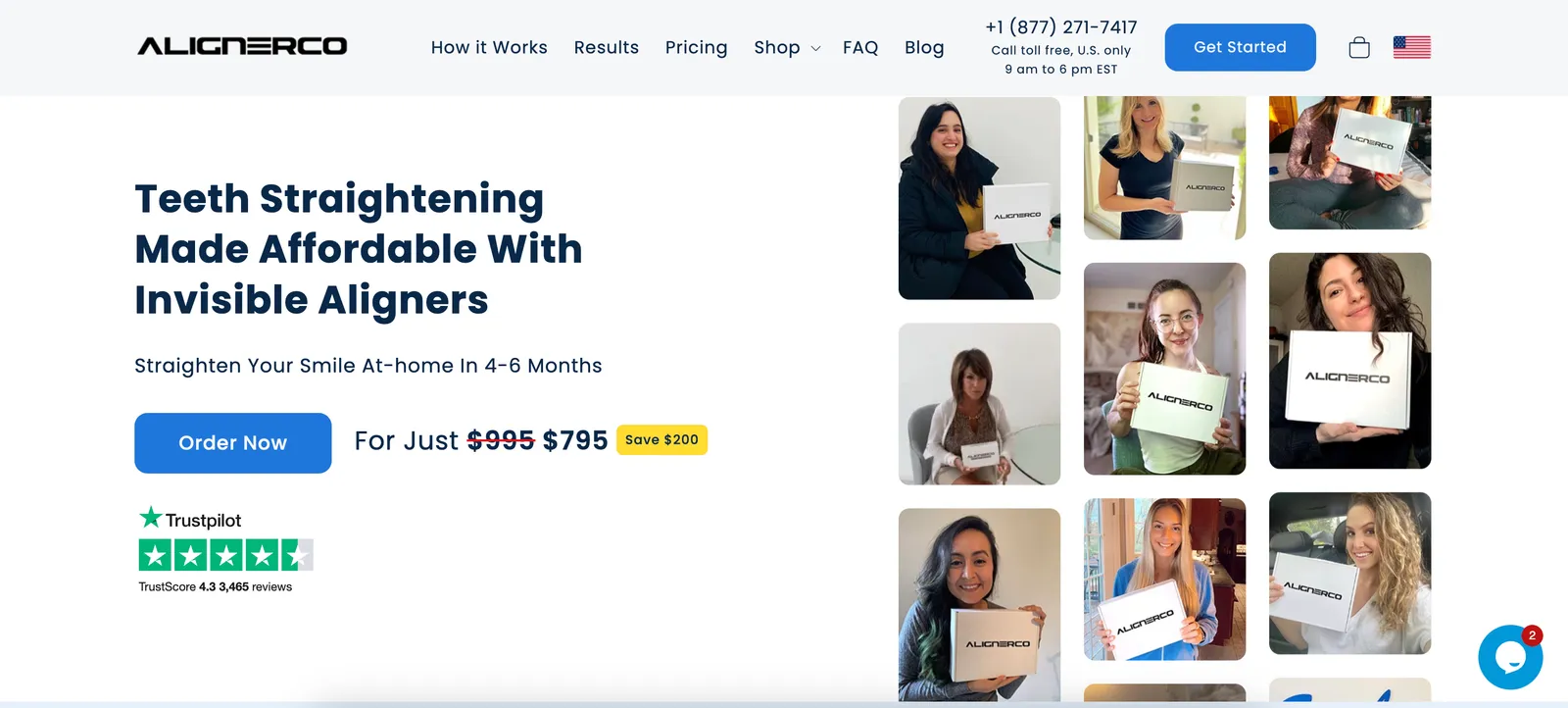
ALIGNERCO is a brand that offers affordable, at-home clear aligners designed to straighten teeth without the hassle of in-office visits.
(NOTE: ALIGNERCO uses ReferralCandy for their referral program!)
2. Rothy's
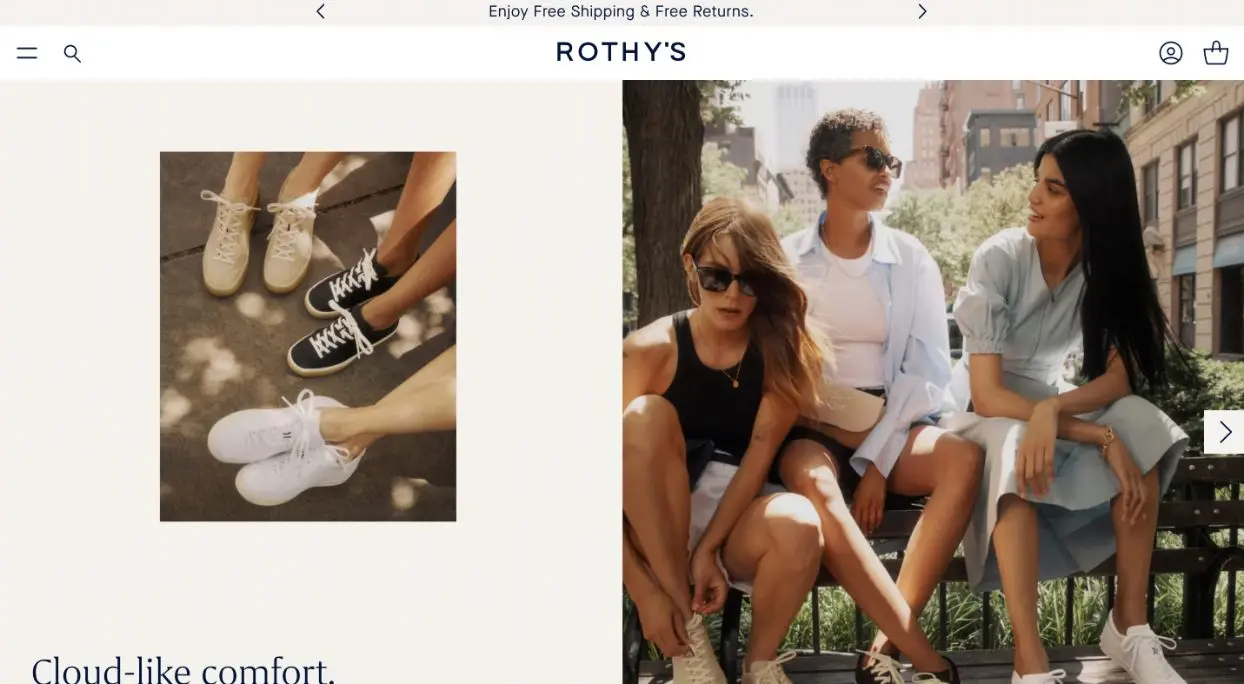
Rothy's is a store that sells washable ballet flats made from recycled materials.
3. DeathWish Coffee
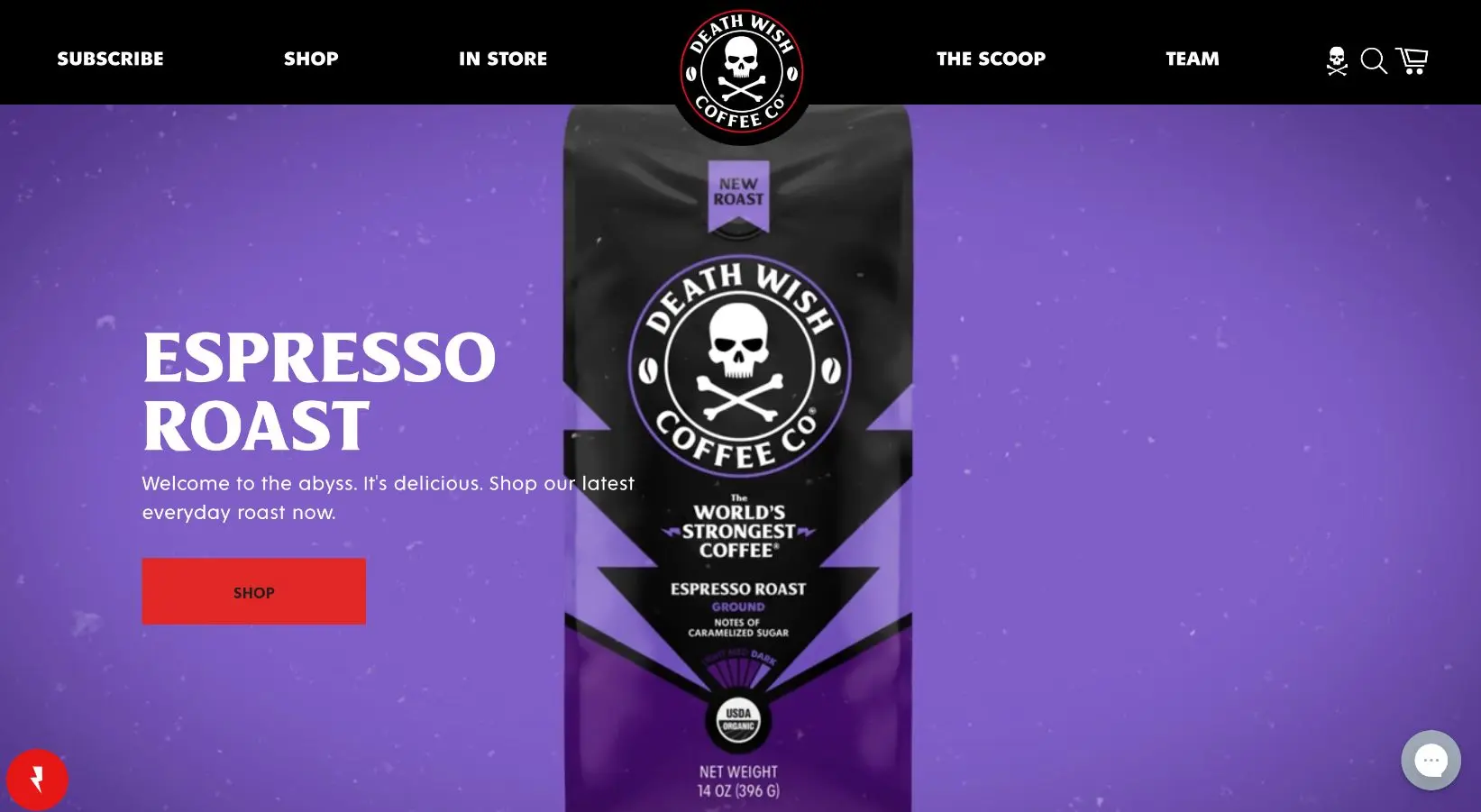
DeathWish Coffee sells the world's strongest coffee.
4. PopSockets
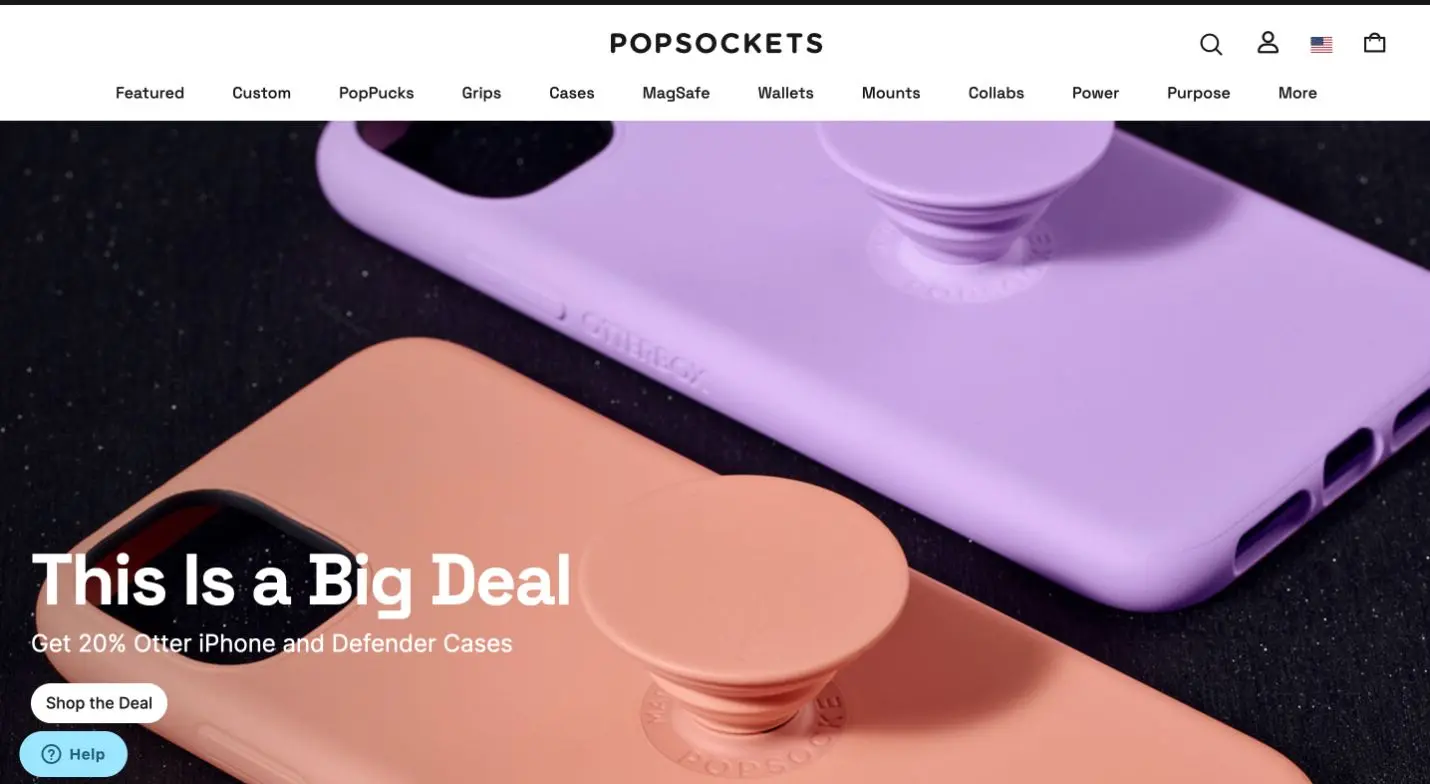
PopSockets is a stylish phone accessory that allows you to do more with your phones.
5. DockATot
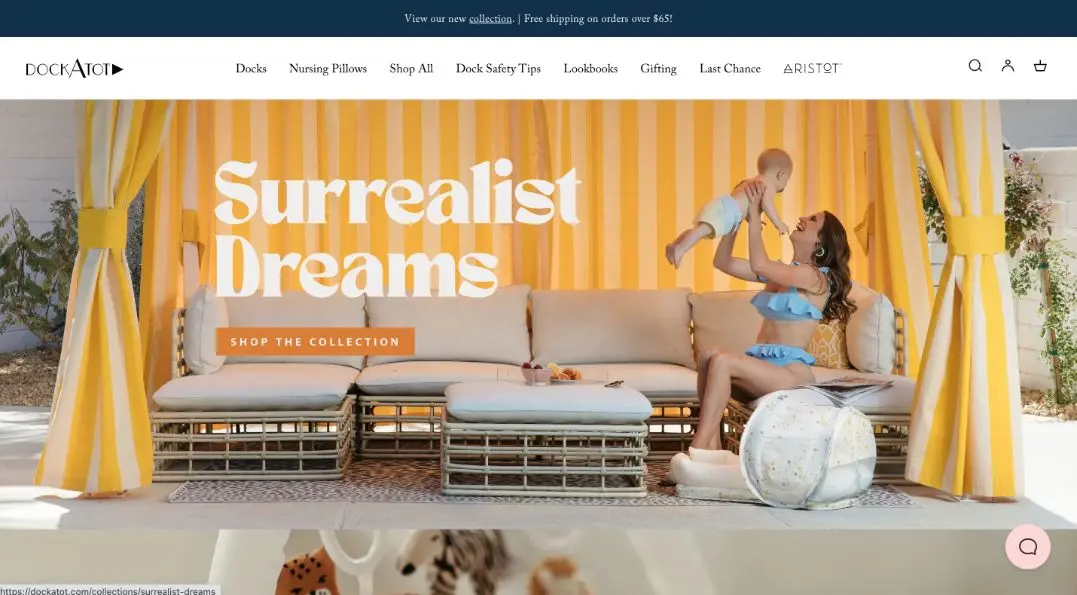
DockATot sells a multi-functional lounging, playing, chilling, resting, and snuggling dock for babies.
NOTE: DockATot uses ReferralCandy as their referral program software!
6. Guava Family
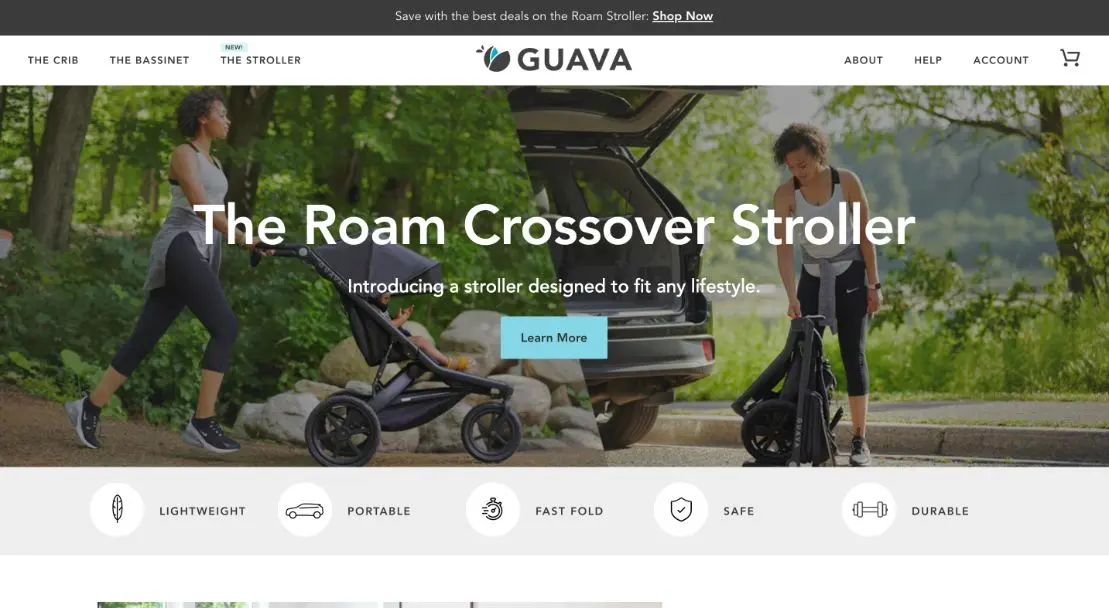
Guava Family sells travel cribs.
7. Fit Tea
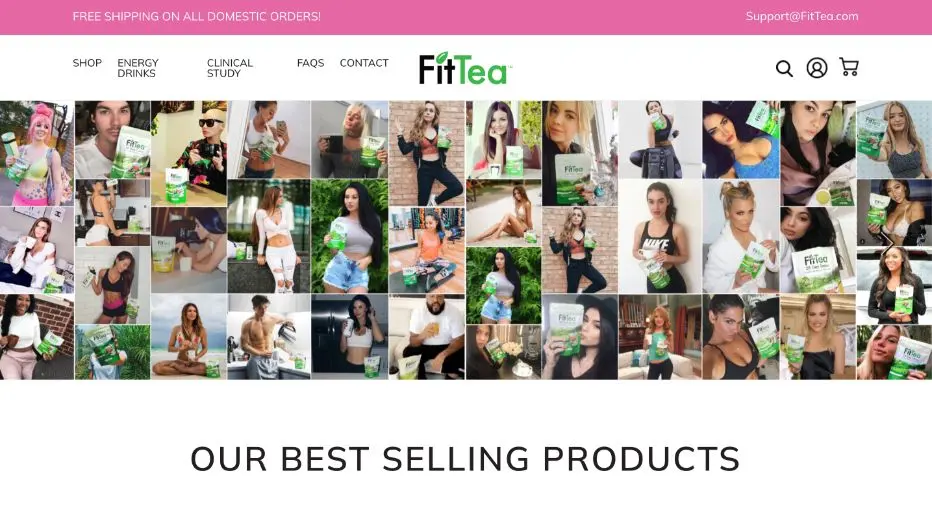
Fit Tea sells all-natural detox tea.
8. koh
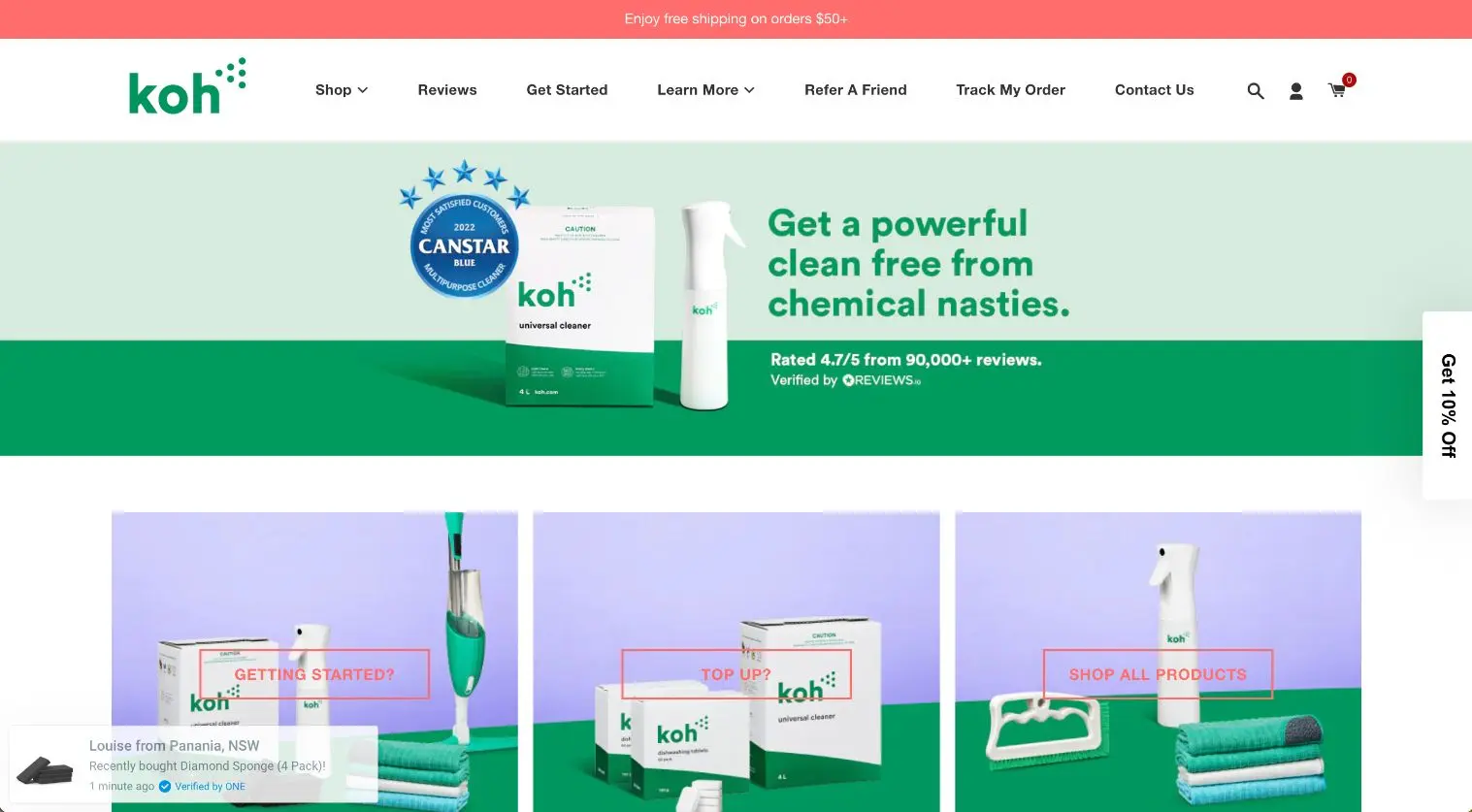
Koh sells eco-friendly universal surface cleaner.
9. Bison Coolers
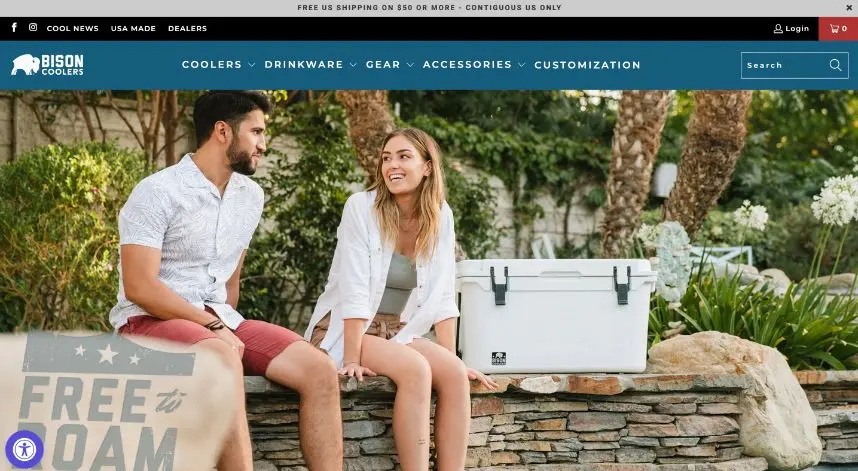
Bison Coolers sells coolers.
10. Kuna
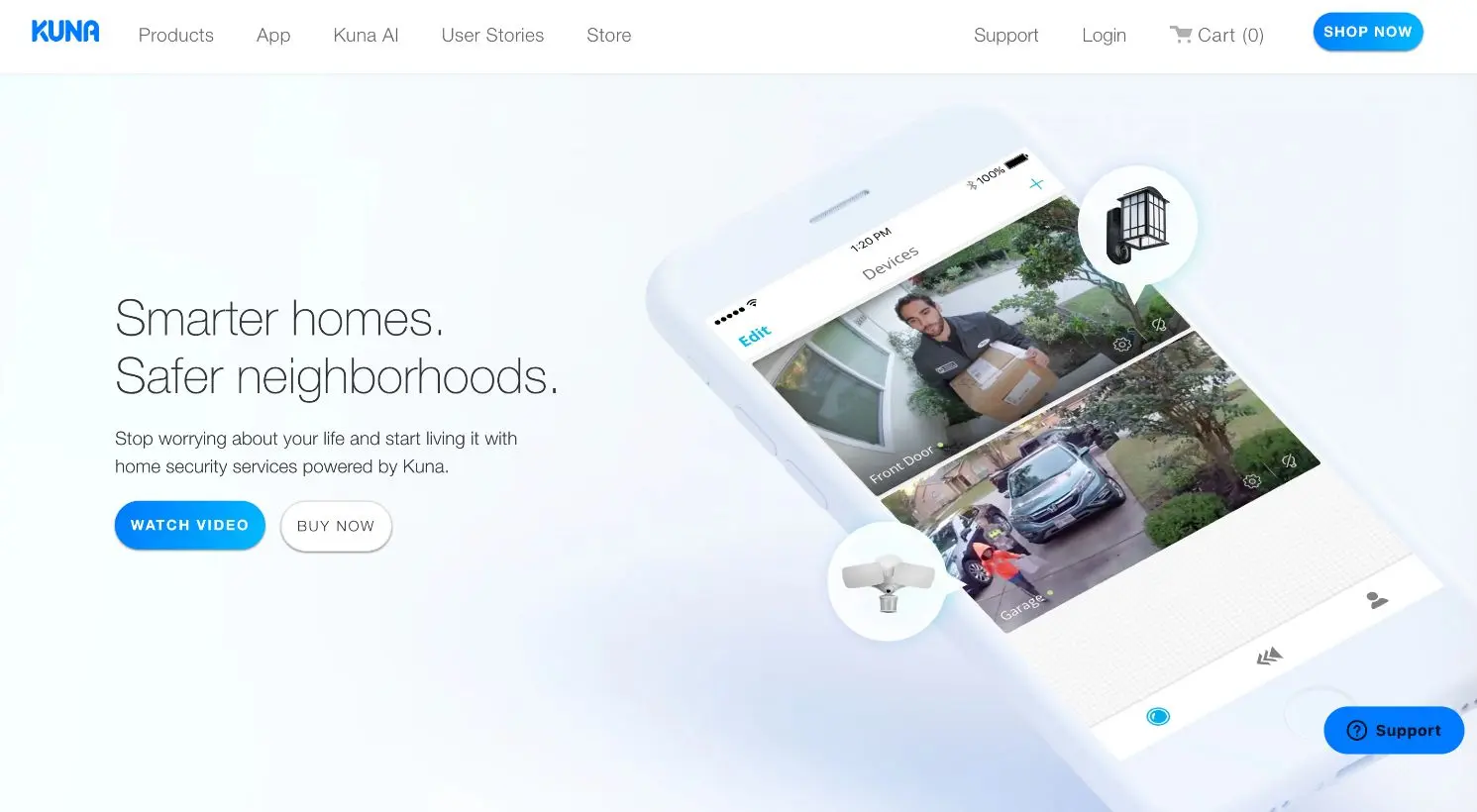
Kuna is a smart home security system that prevents break-ins.
(NOTE: Kuna uses ReferralCandy for their referral program!)
11. Triangl

Triangl sells bikinis.
12. Meller
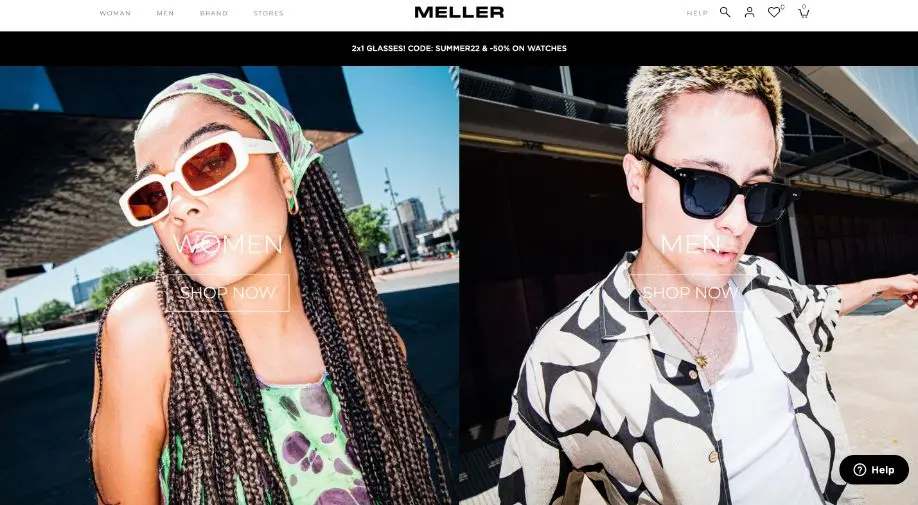
Meller sells sunglasses and eyewear.
(Meller is also using ReferralCandy for their referral marketing efforts.)
13. Keen Home
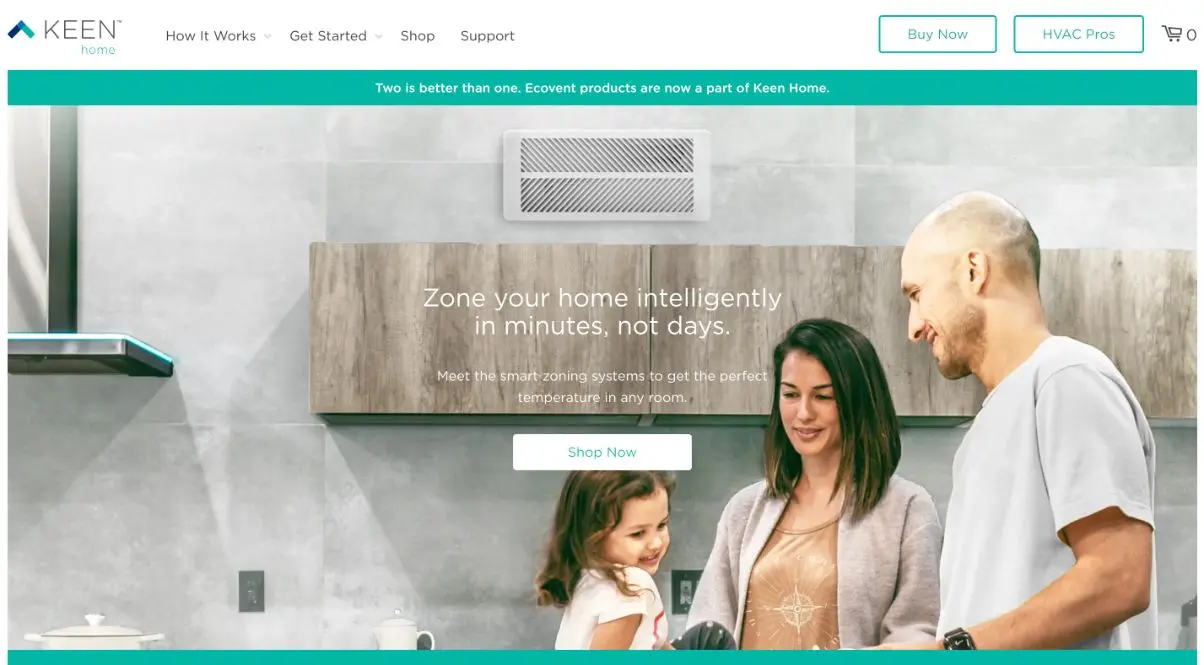
Keen Home creates smart zoning for your home and helps you achieve the perfect temperature in any room.
14. Pipette
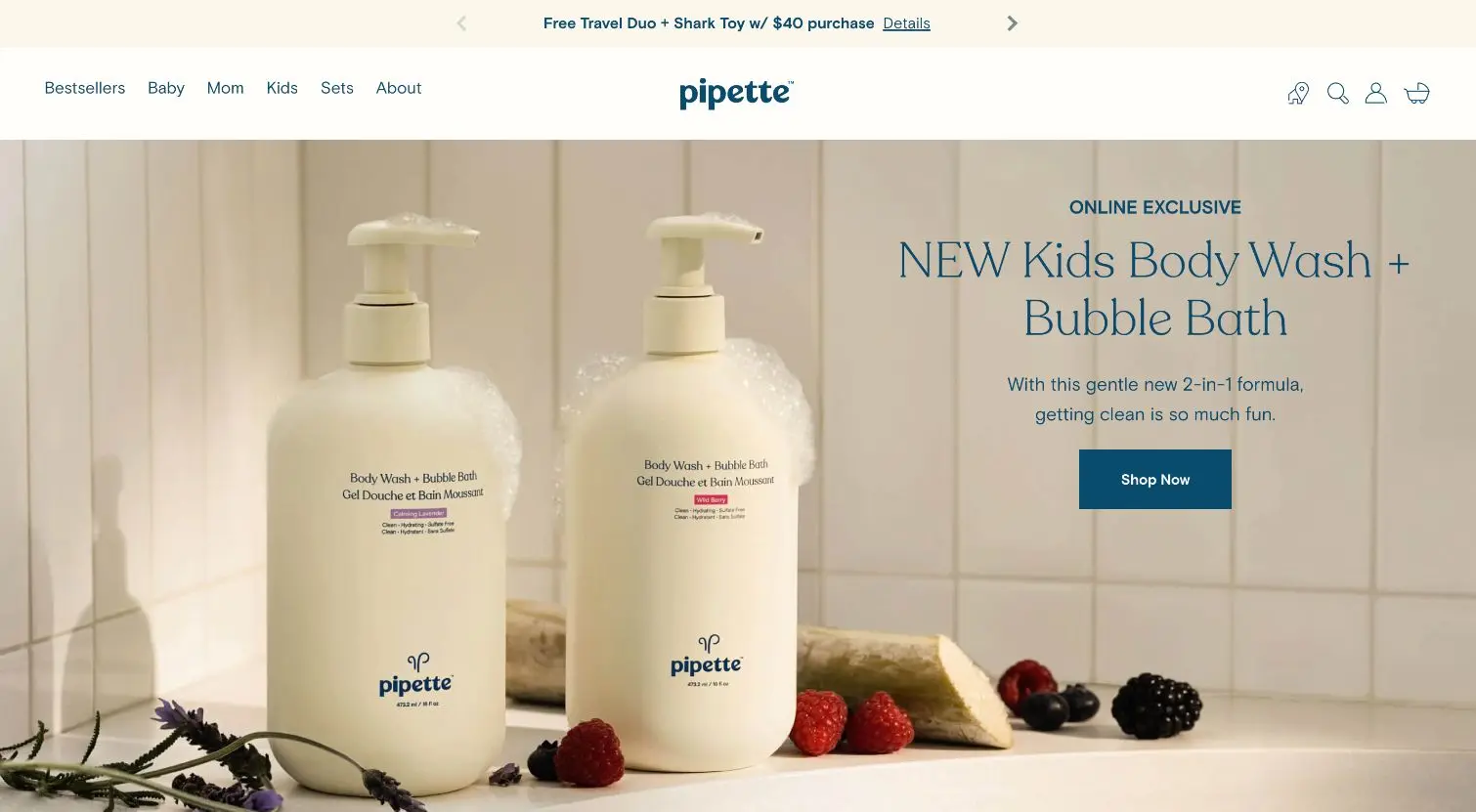
Pipette sells skincare and bath essentials for both babies and moms.
15. Yoga Democracy
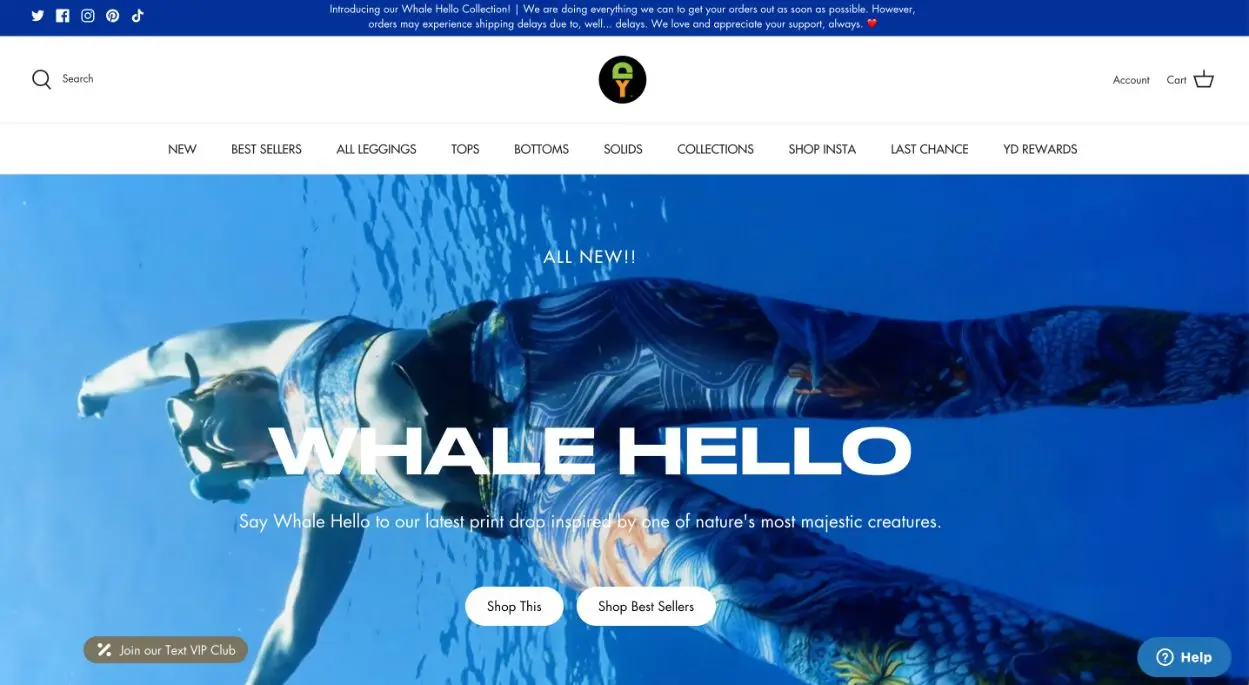
Yoga Democracy sells yoga leggings and sports attire.
16. Jake and Jones
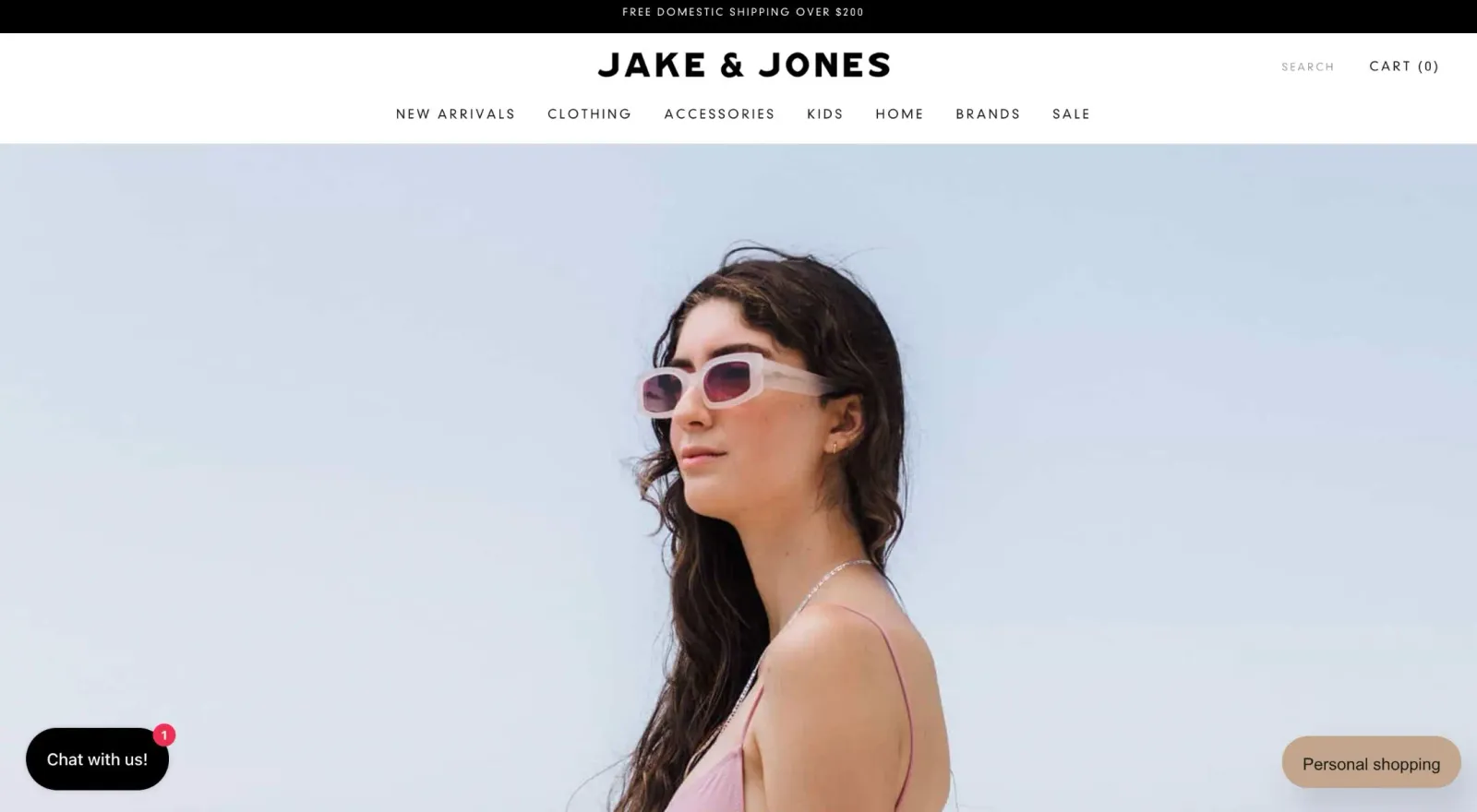
Jake and Jones sells apparel made by emerging designers.
17. St. Frank
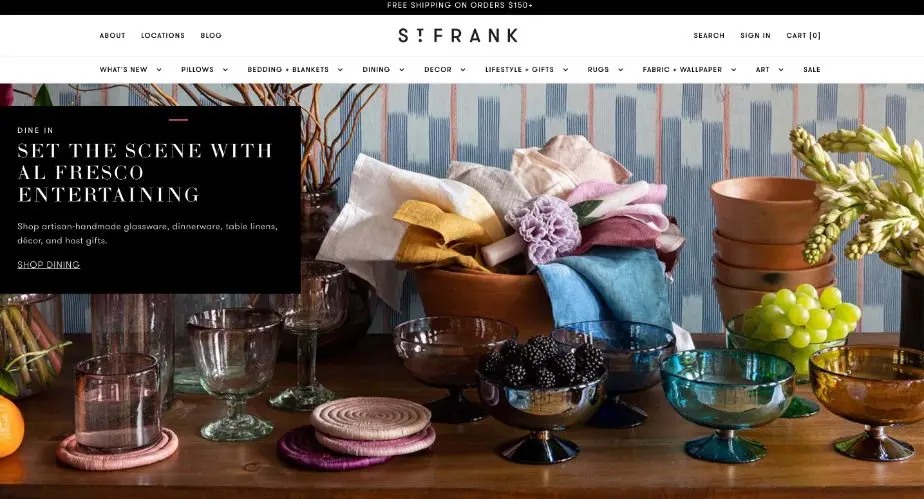
St. Frank sells beautiful, handcrafted home decor.
18. The Coucou Club
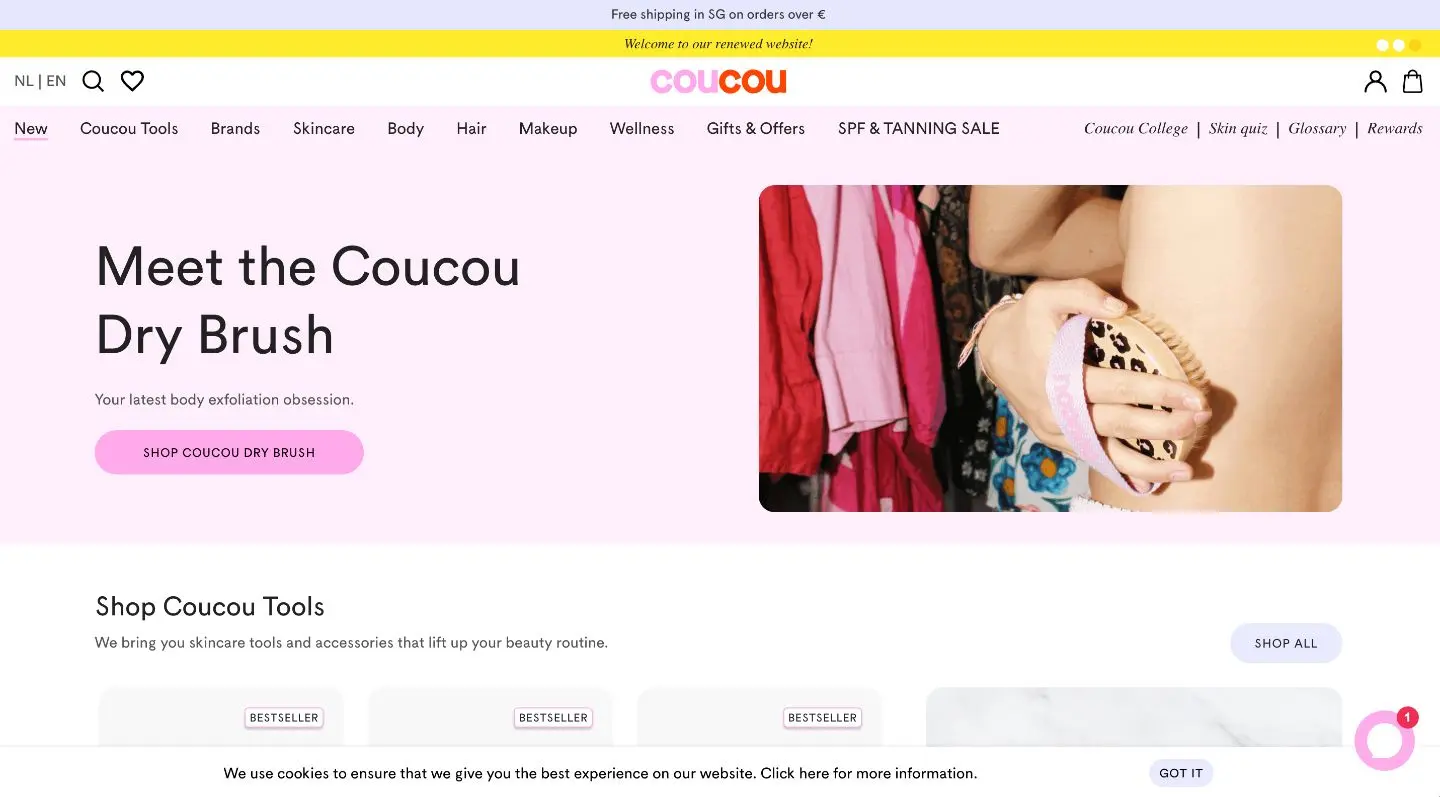
The Coucou Club sells beauty tools, accessories and skincare.
19. Grub Club Pets
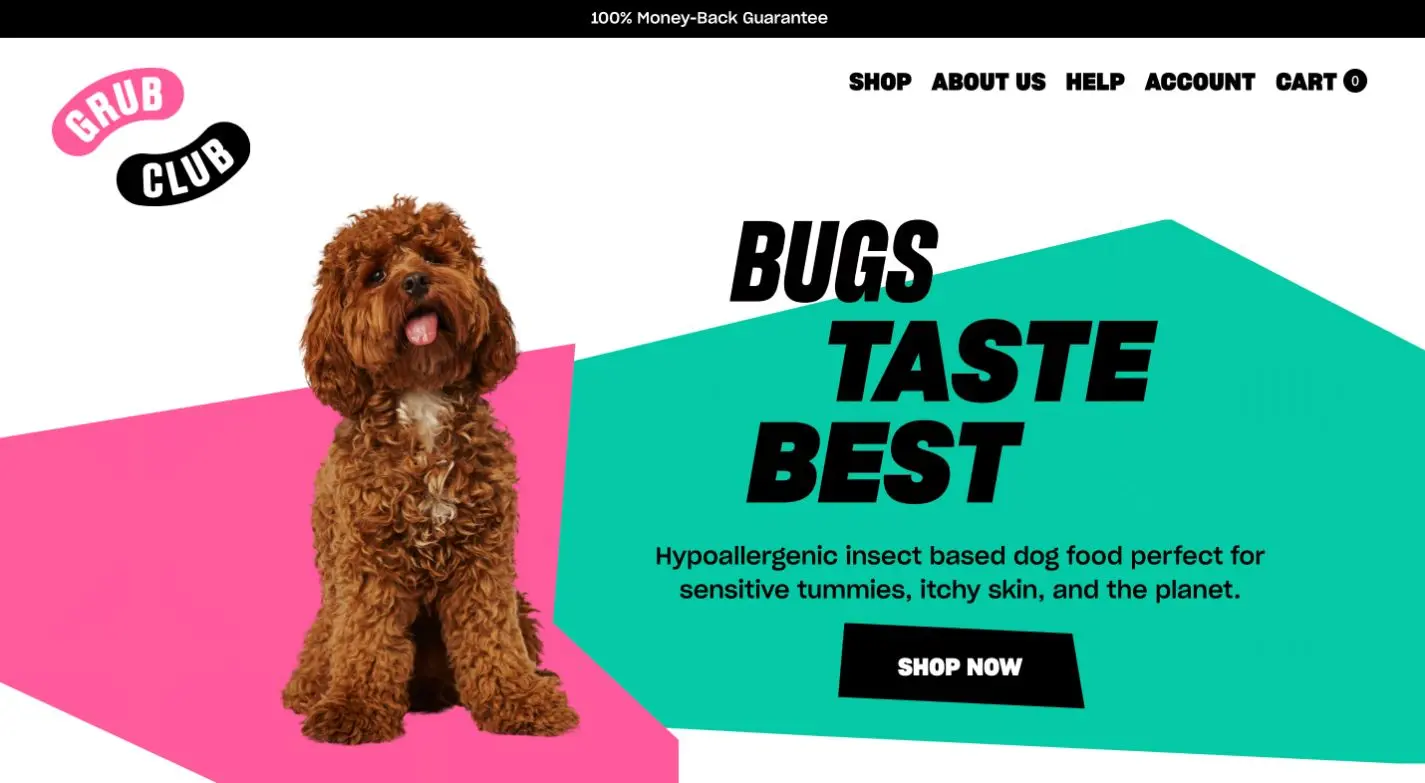
Grub Club Pets sells hypoallergenic insect-based dog food.
20. NewSmile
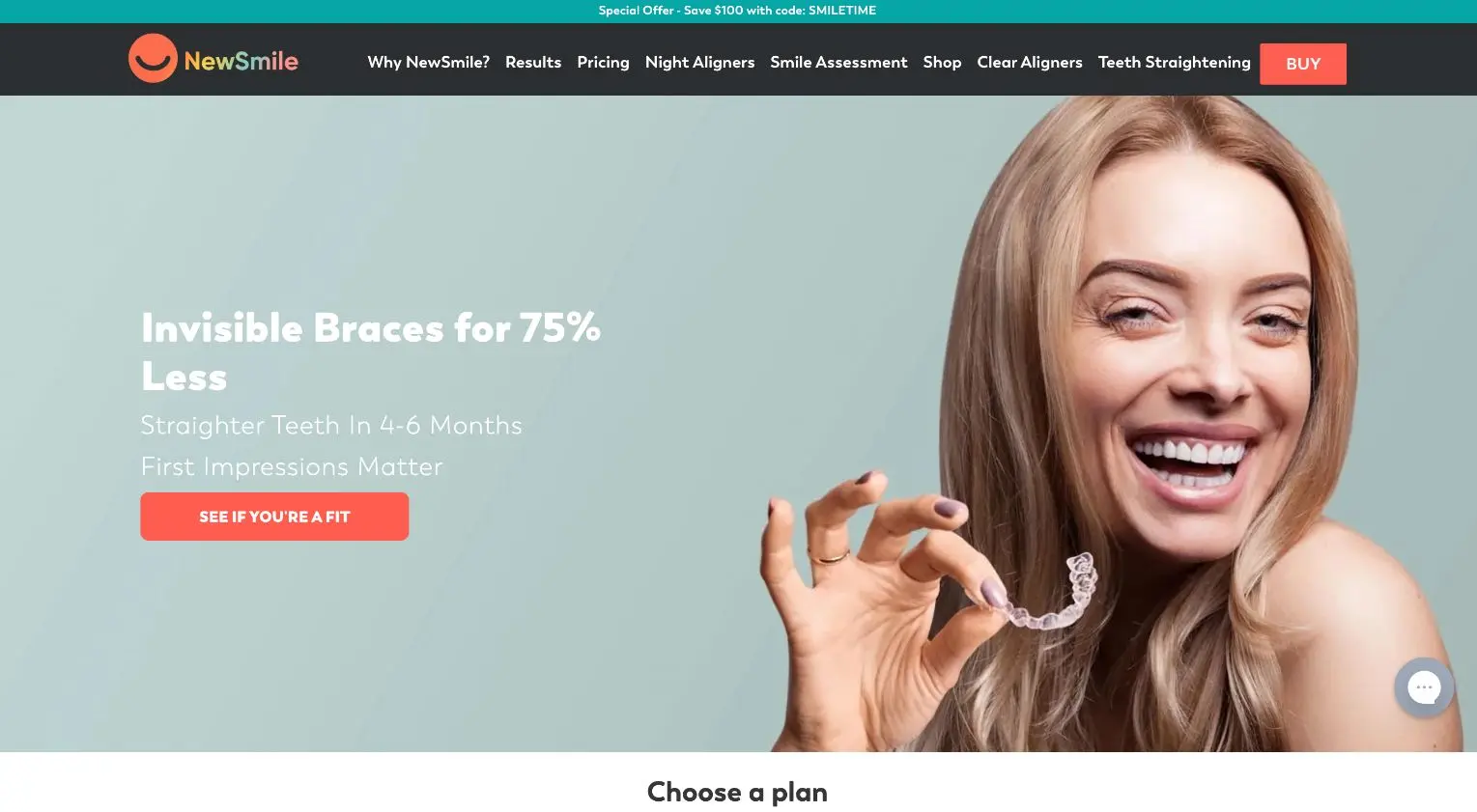
NewSmile sells teeth aligners.
21. Blanqi
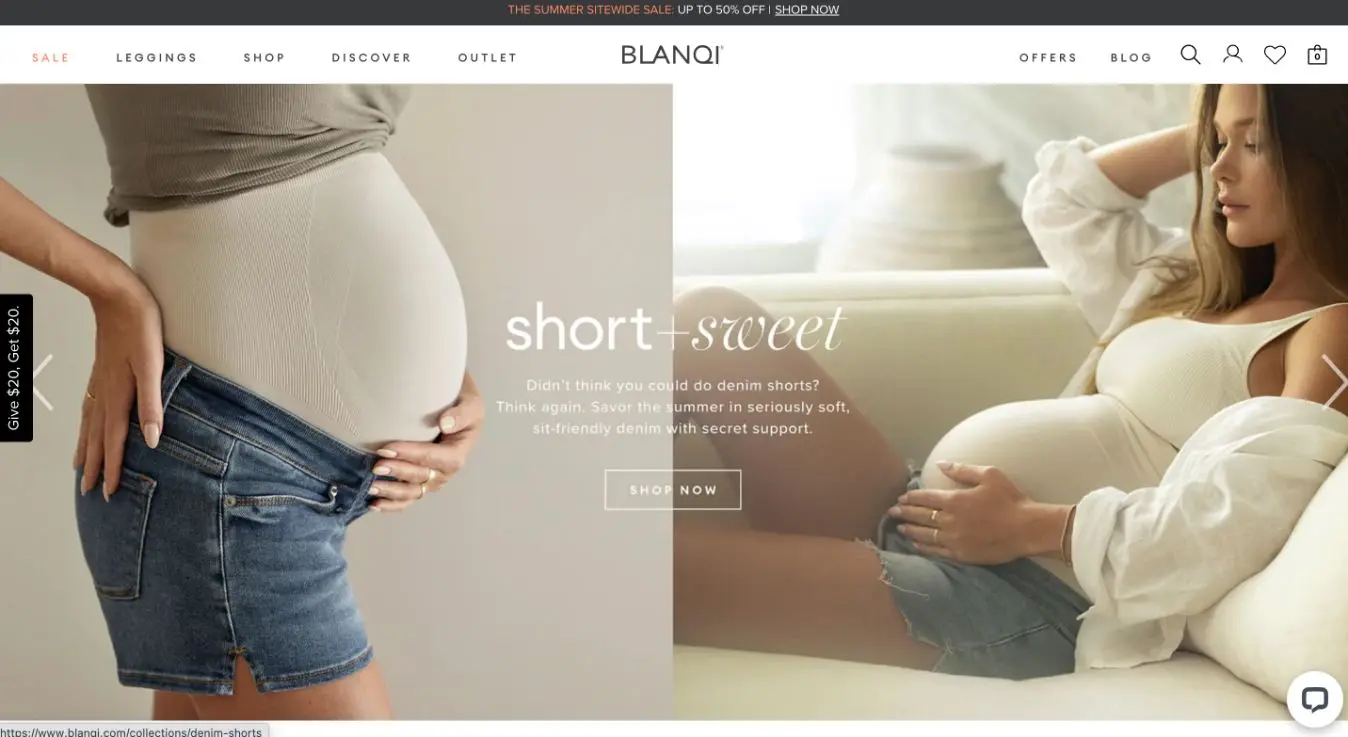
Blanqi sells nursing and maternity clothes.
22. Dona Jo
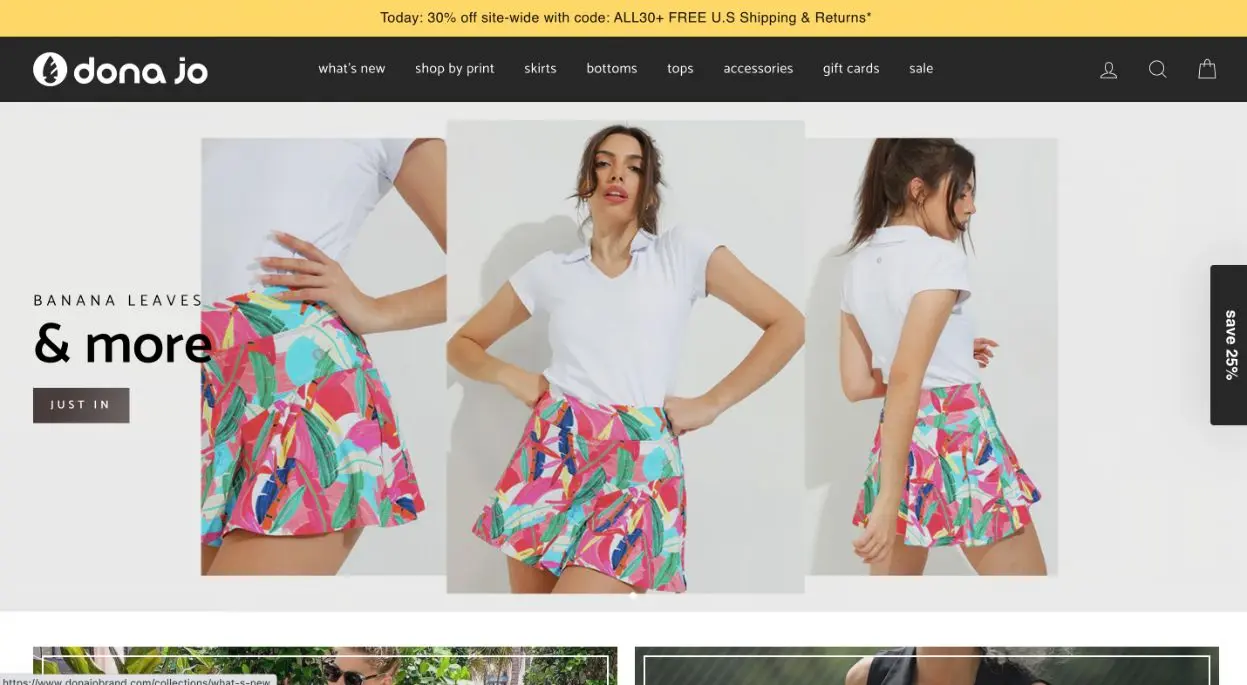
Dona Jo sells women's workout clothing.
23. The Ghostly Store
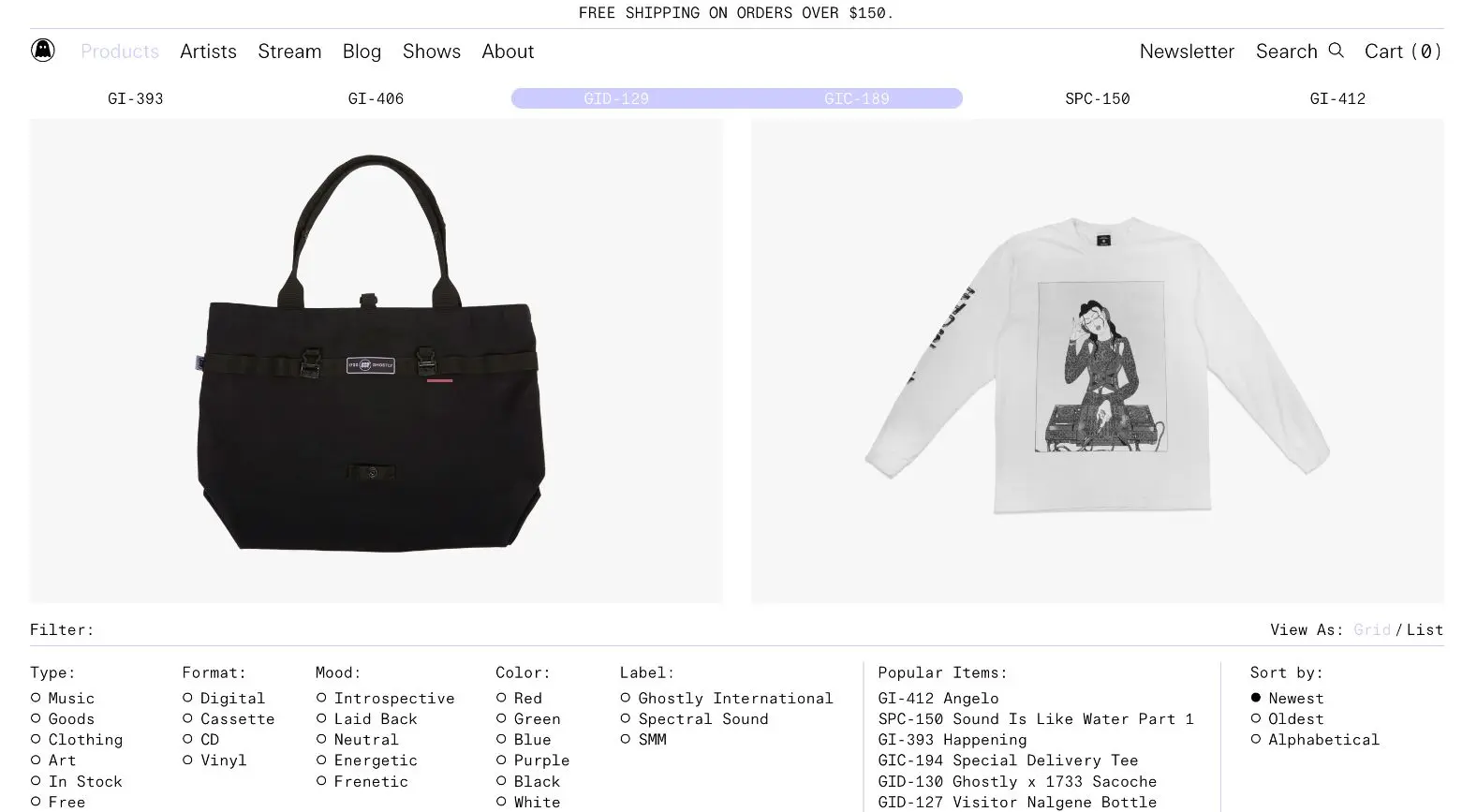
The Ghostly Store sells clothing, music and art by Ghostly International.
24. The Ollie World
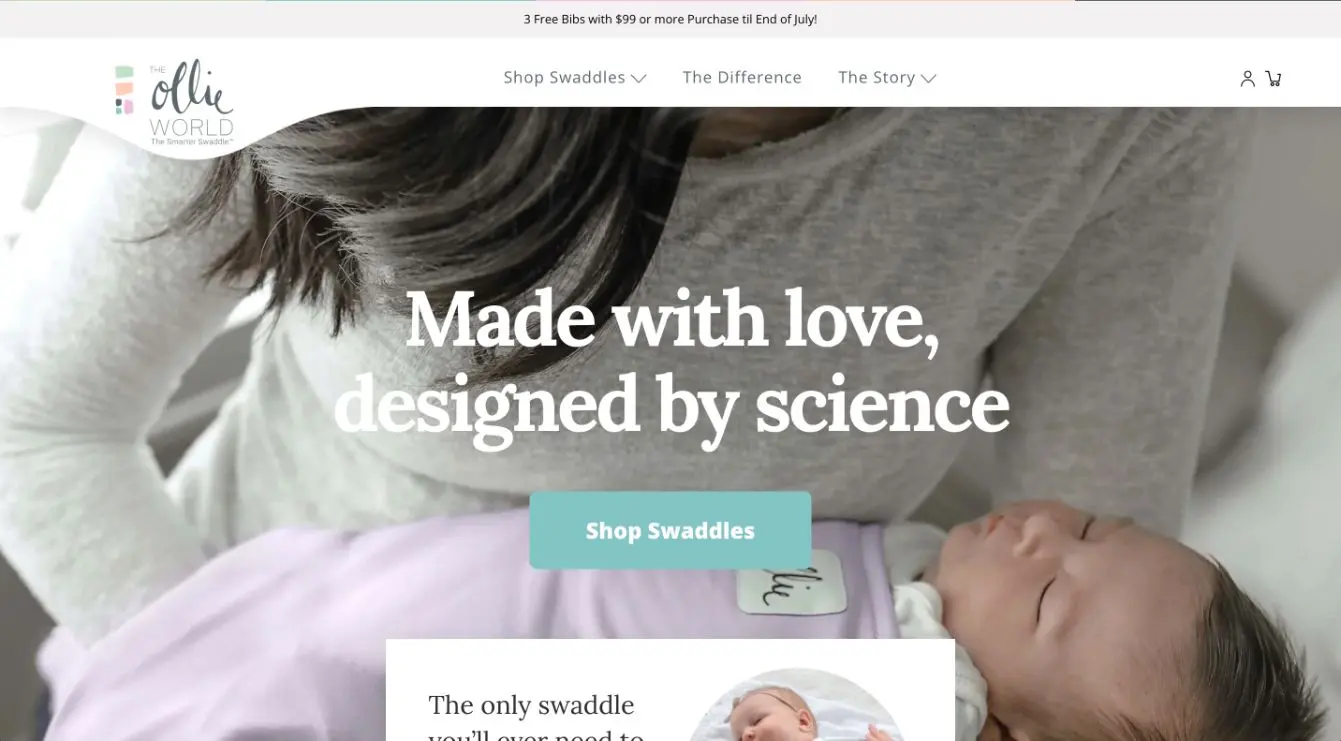
The Ollie World sells swaddles.
(NOTE: The Ollie World uses ReferralCandy for their referral program!)
25. HOP WTR
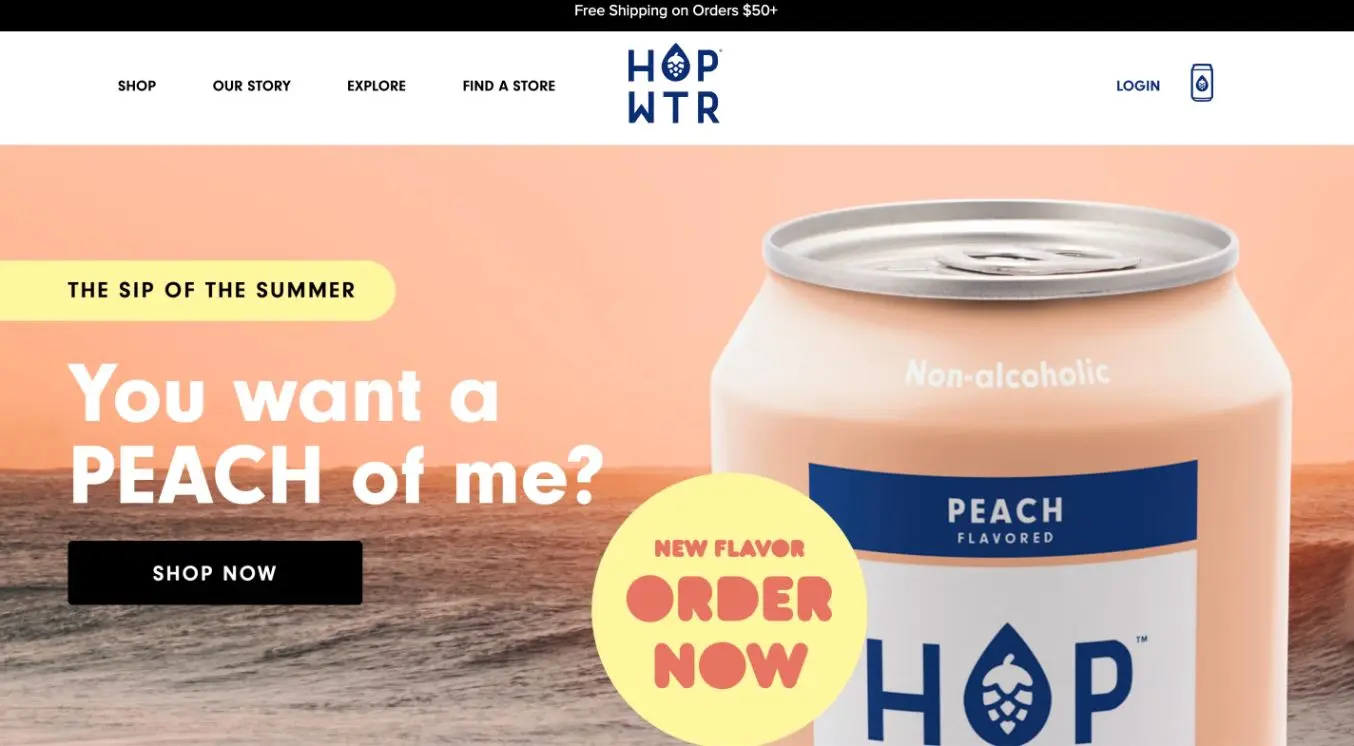
HOP WTR sells sparkling water infused with adaptogens and nootropics.
26. Sakura Wada
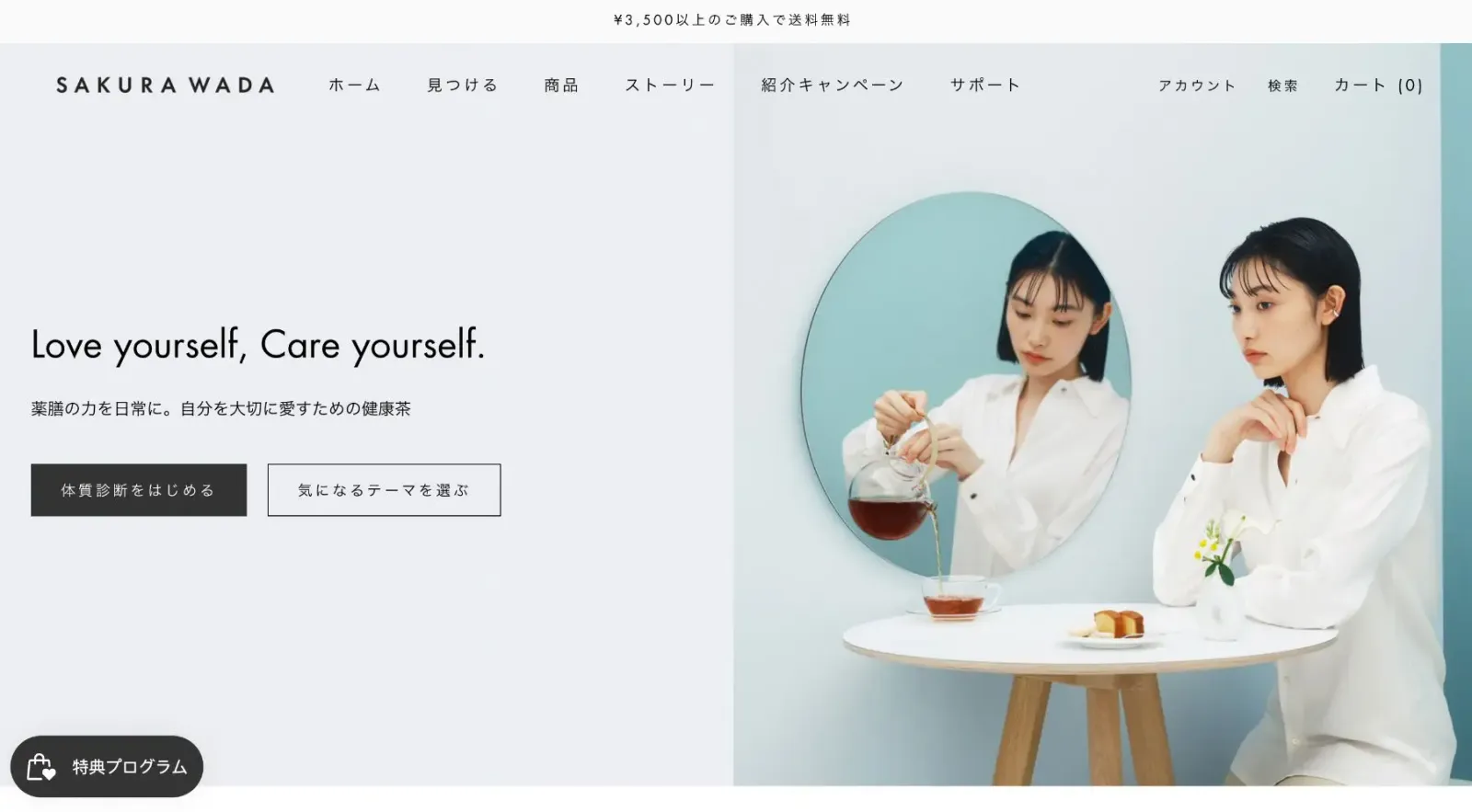
Sakura Wada sells medicinal tea.
27. Soso Sake
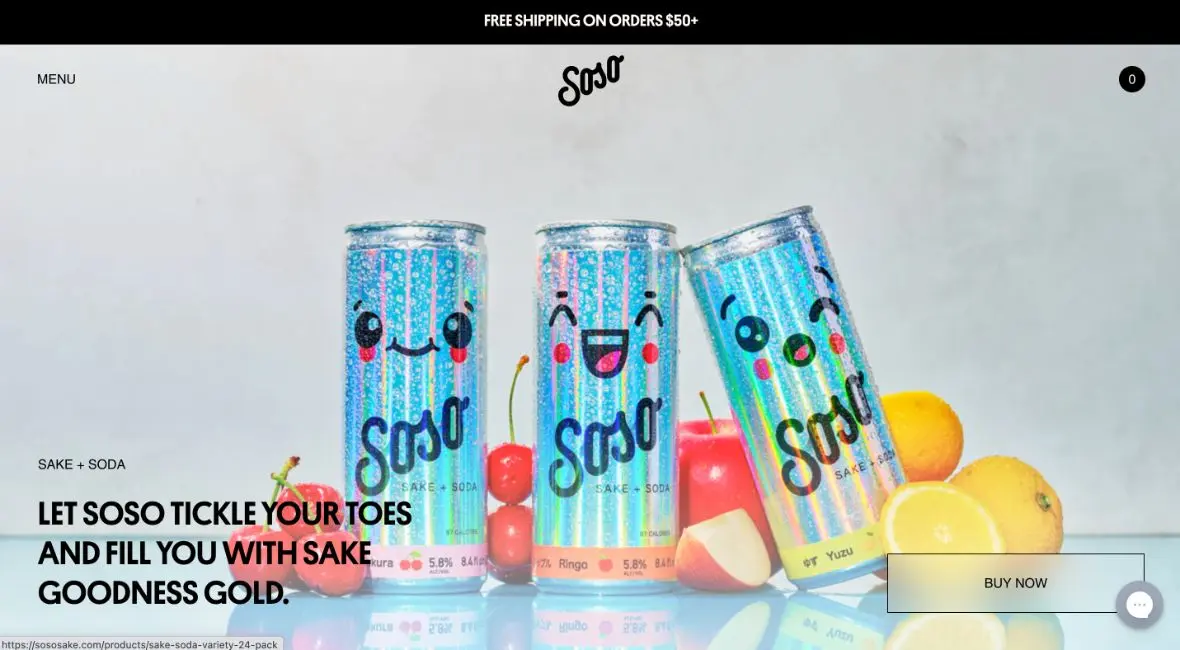
Soso Sake sells a Japanese beverage that is usually referred to as "Japanese rice wine".
28. RIFRUF
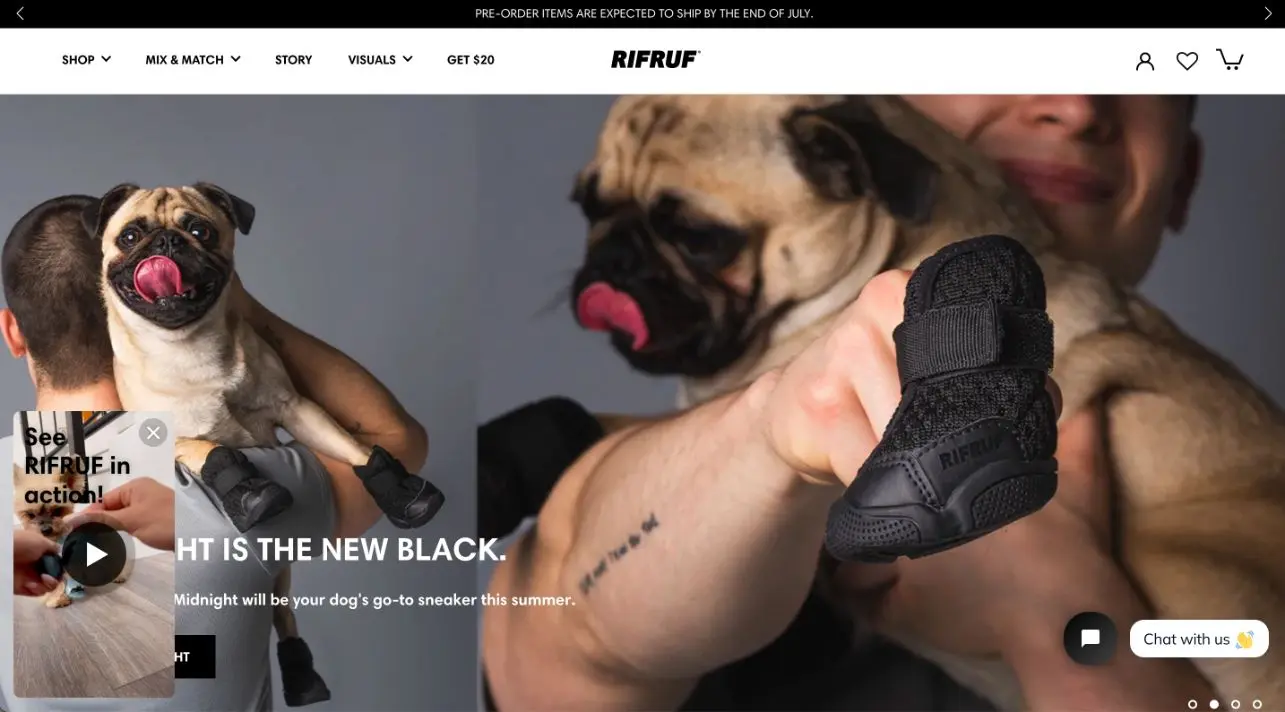
RIFRUF sells quality dog shoes.
29. Smyle
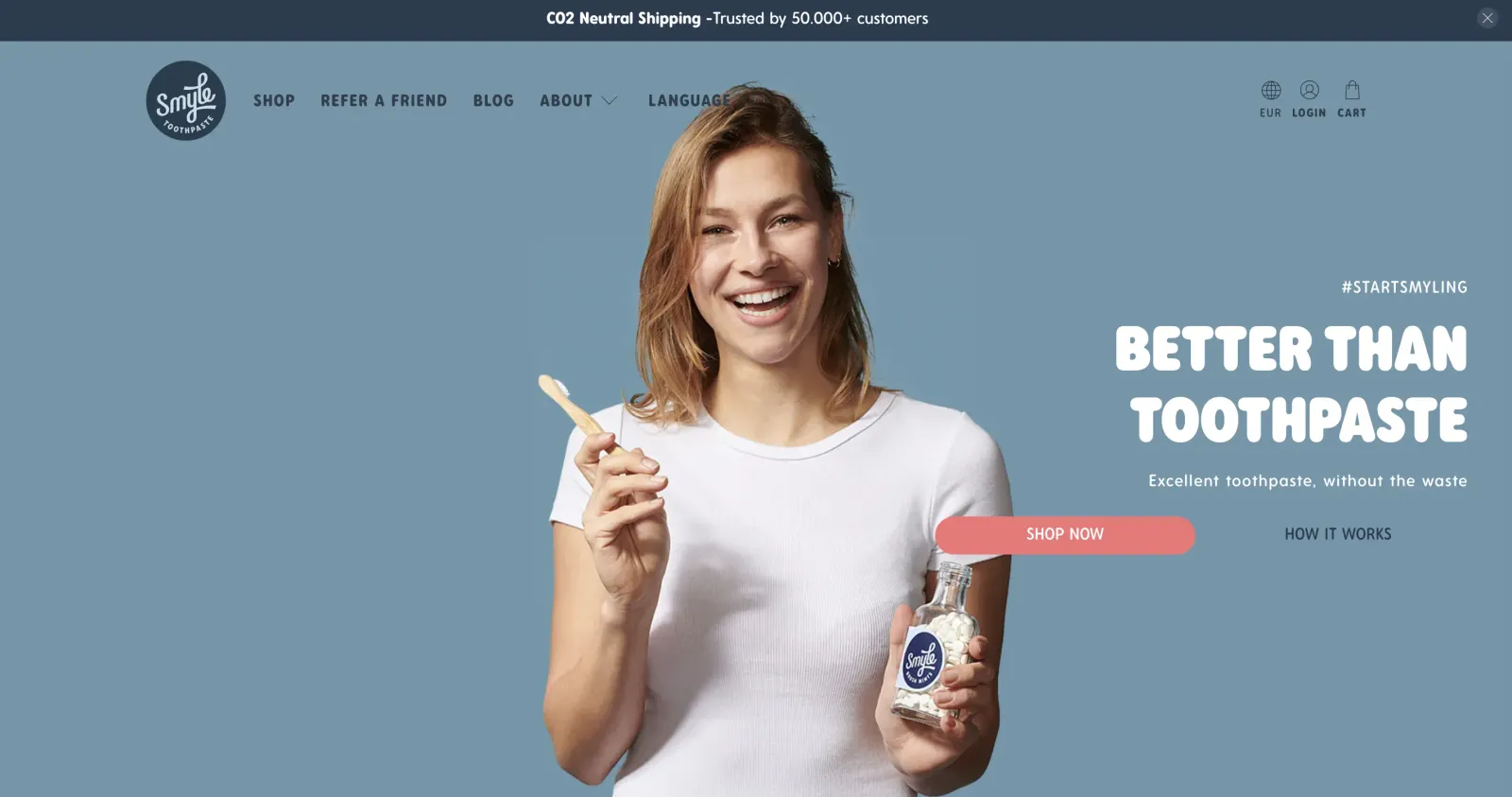
Smyle sells toothpaste tablets.
30. Youfoodz
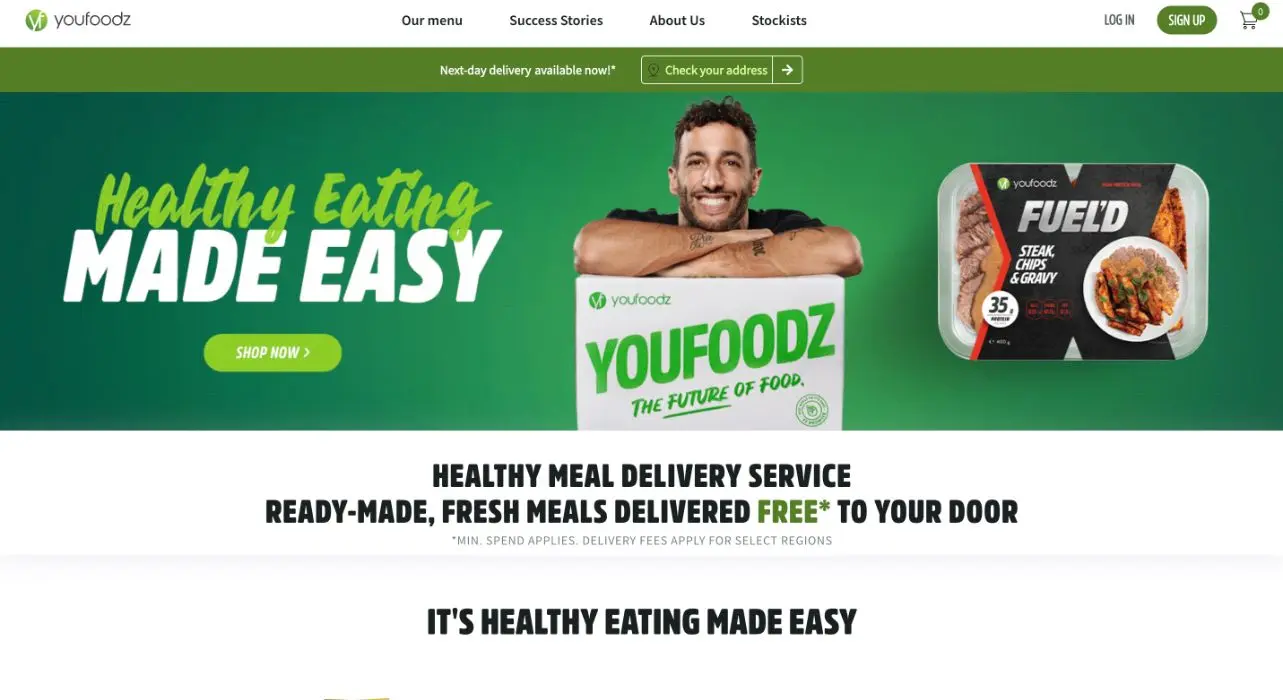
Youfoodz sells a meal delivery service.
(NOTE: Youfoodz uses ReferralCandy for their referral program!)
31. JRINK
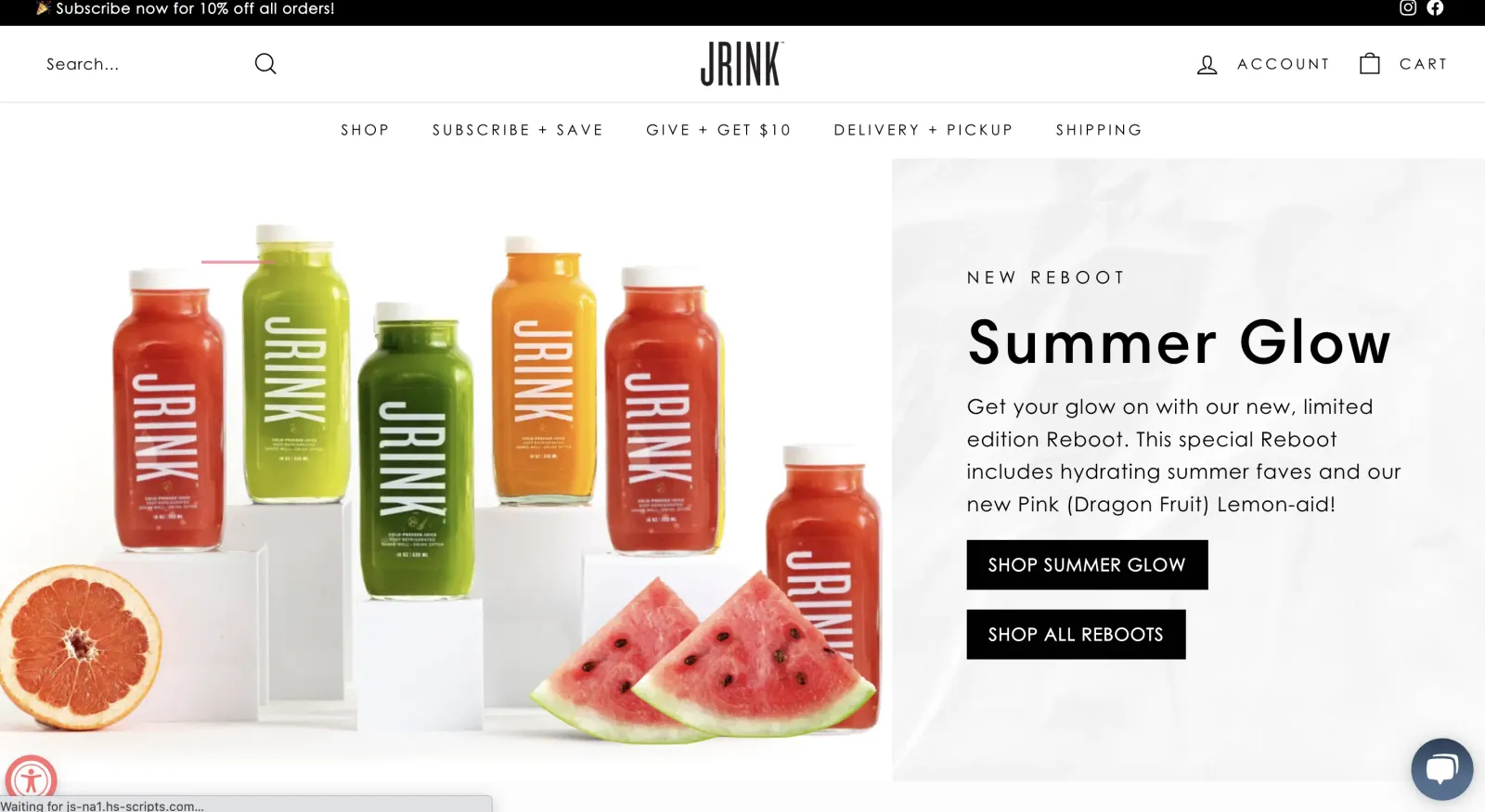
JRINK sells cold-pressed juice delivery.
32. Love Ya Guts Box
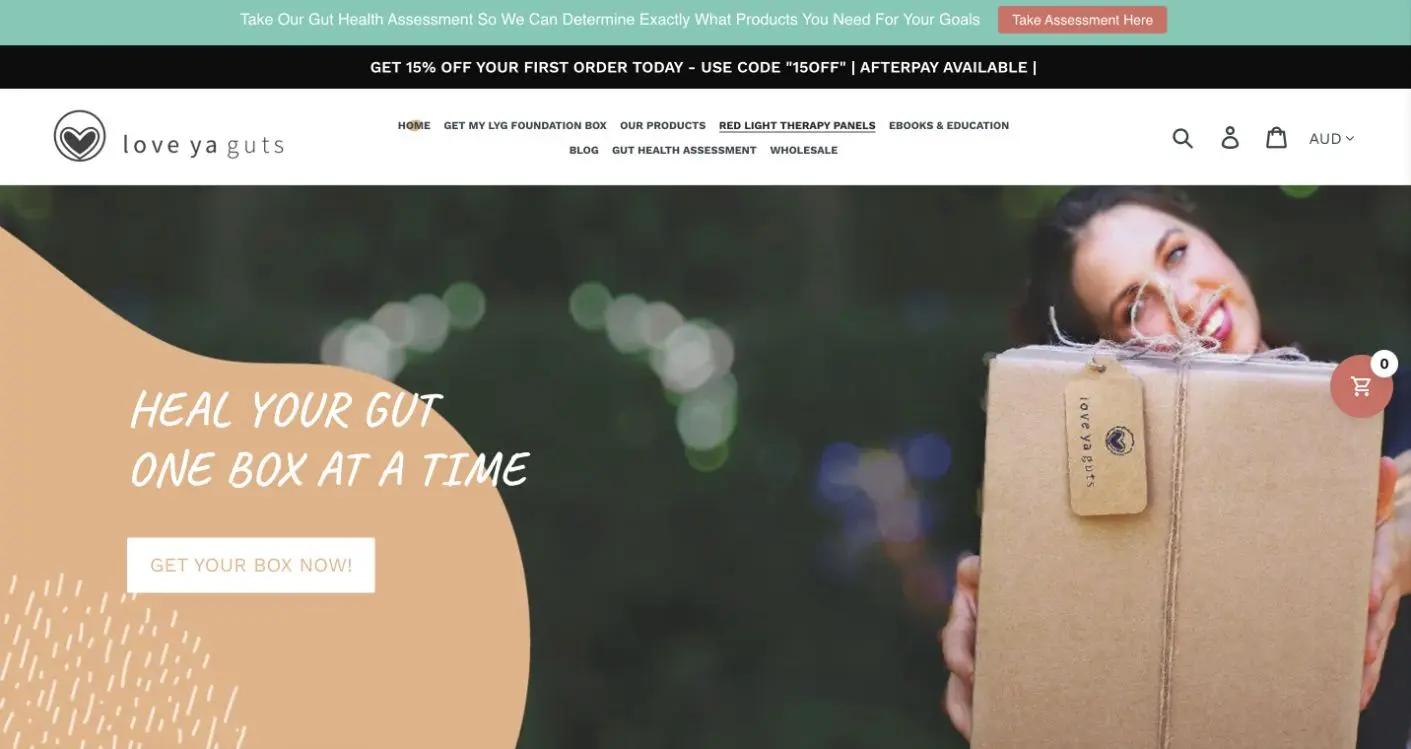
Love Ya Guts Box is a subscription-based box that includes supplements meant for better gut health.
33. Binxy Baby
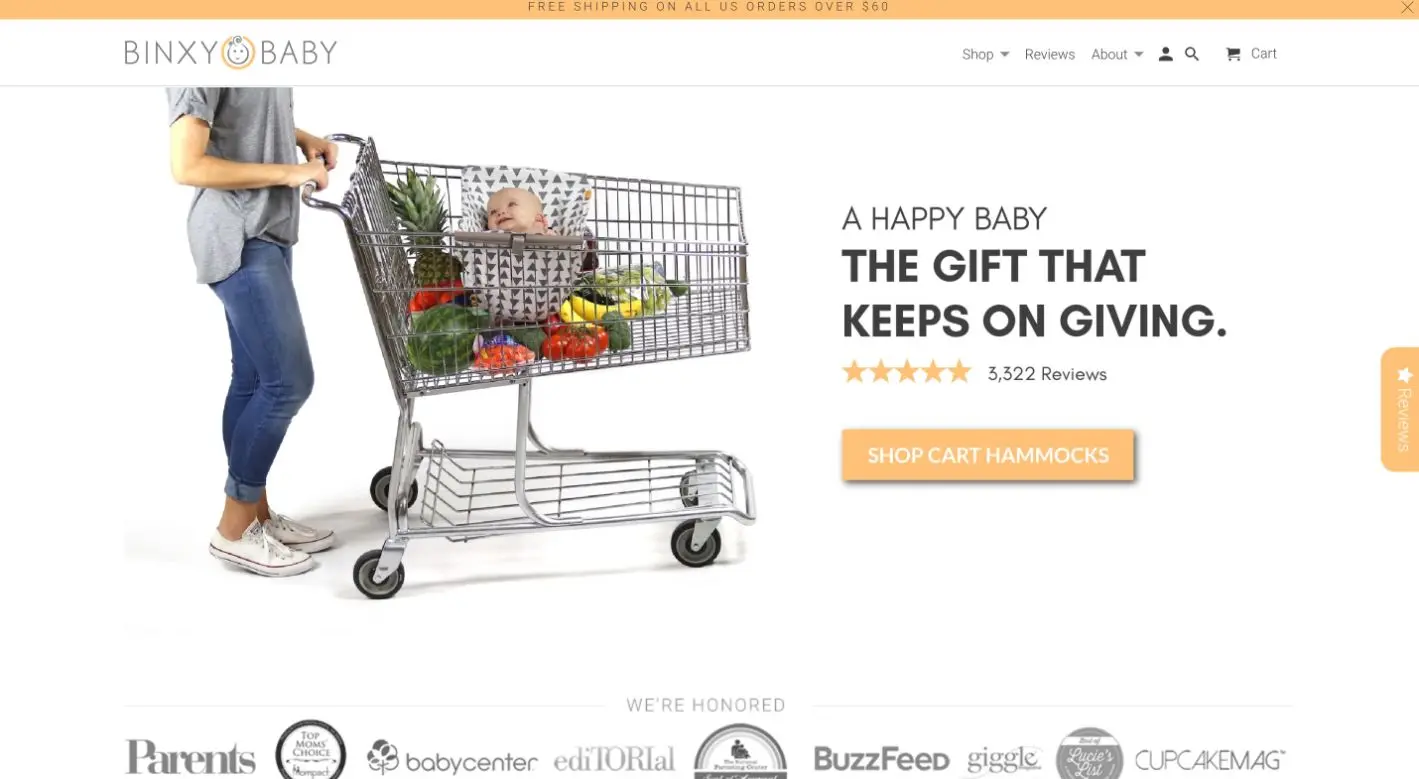
Binxy Baby sells baby shopping cart hammocks.
(NOTE: Binxy Baby uses ReferralCandy for their referral program!)
34. my happy flo
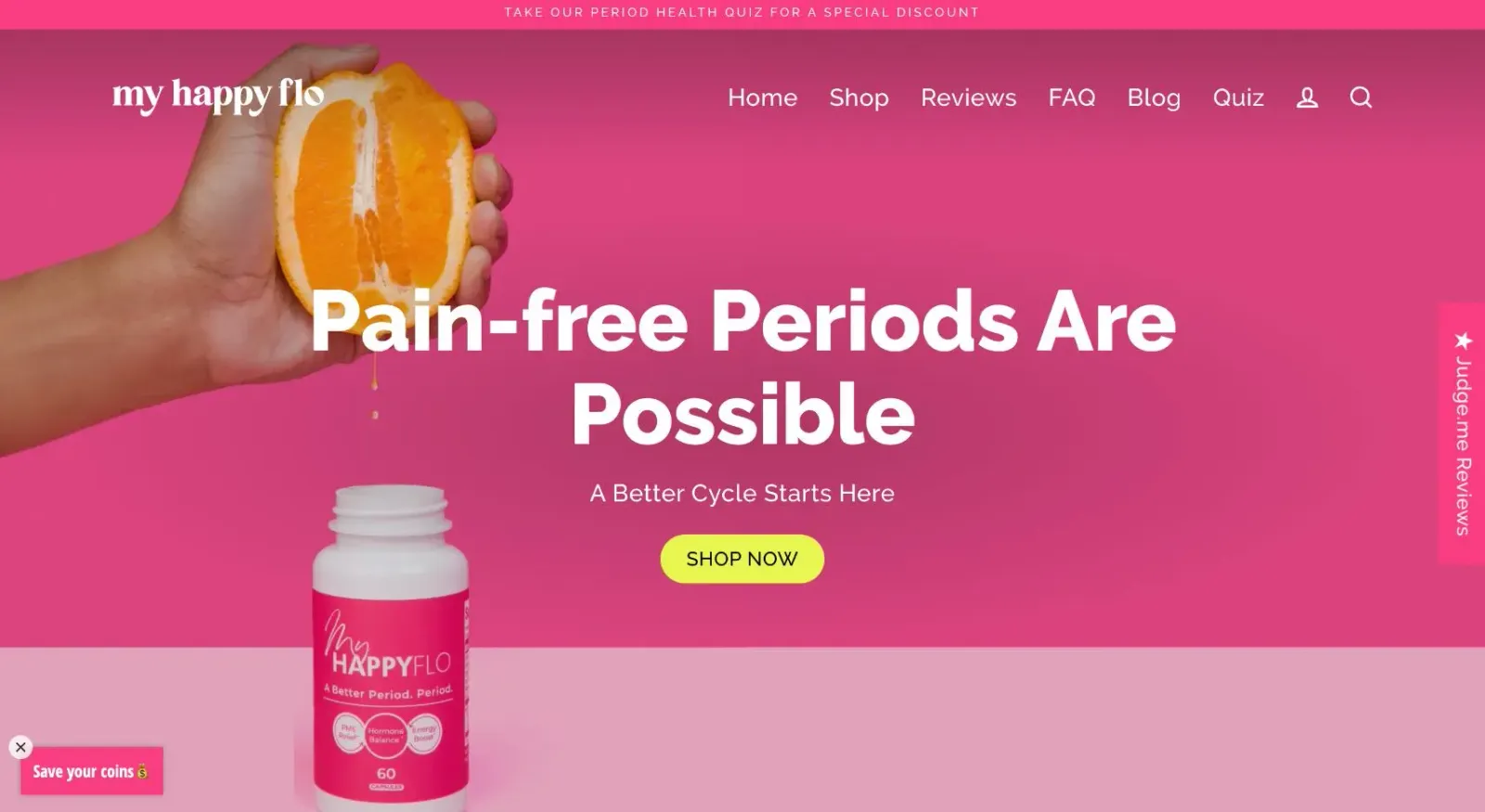
My happy flo sells vitamins to help with periods.
35. Coobie
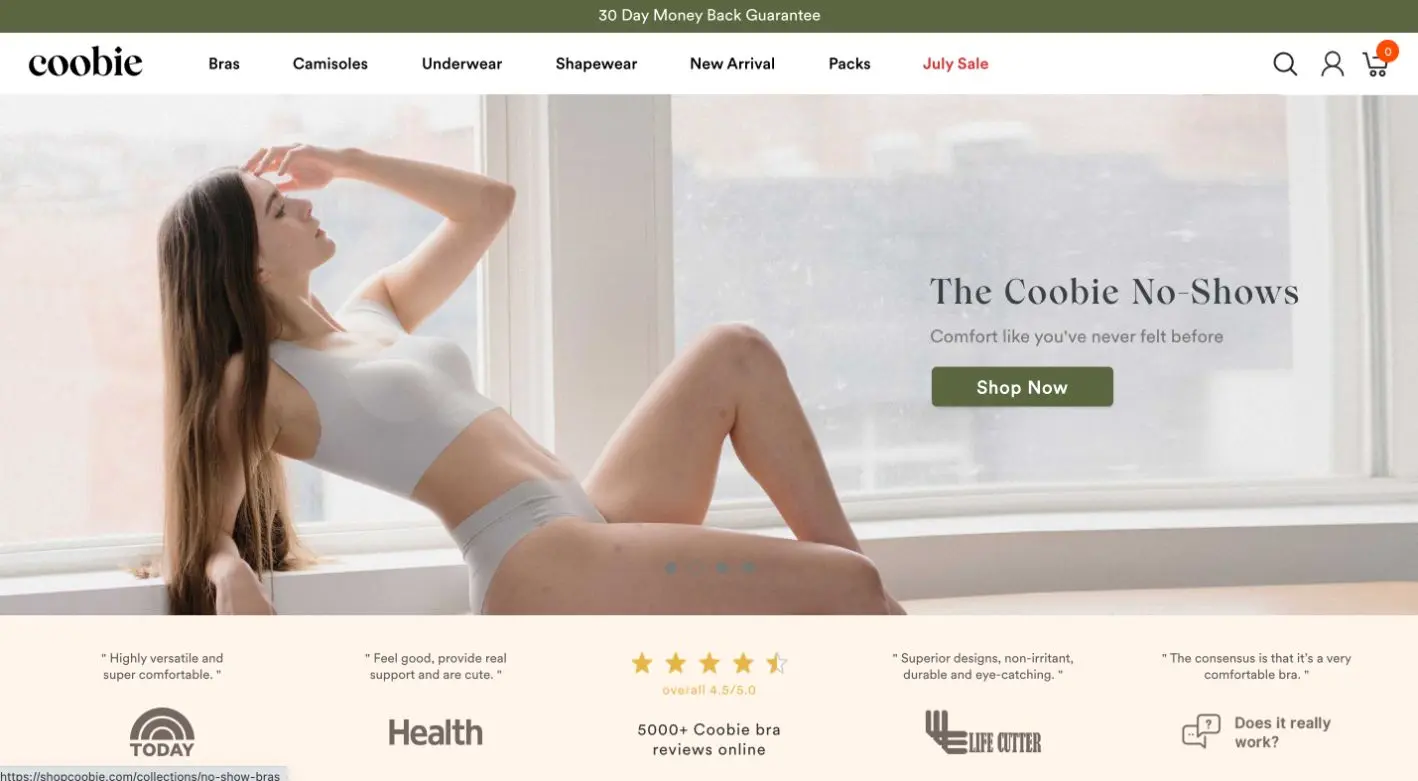
Coobie sells undergarments.
36. Noémie
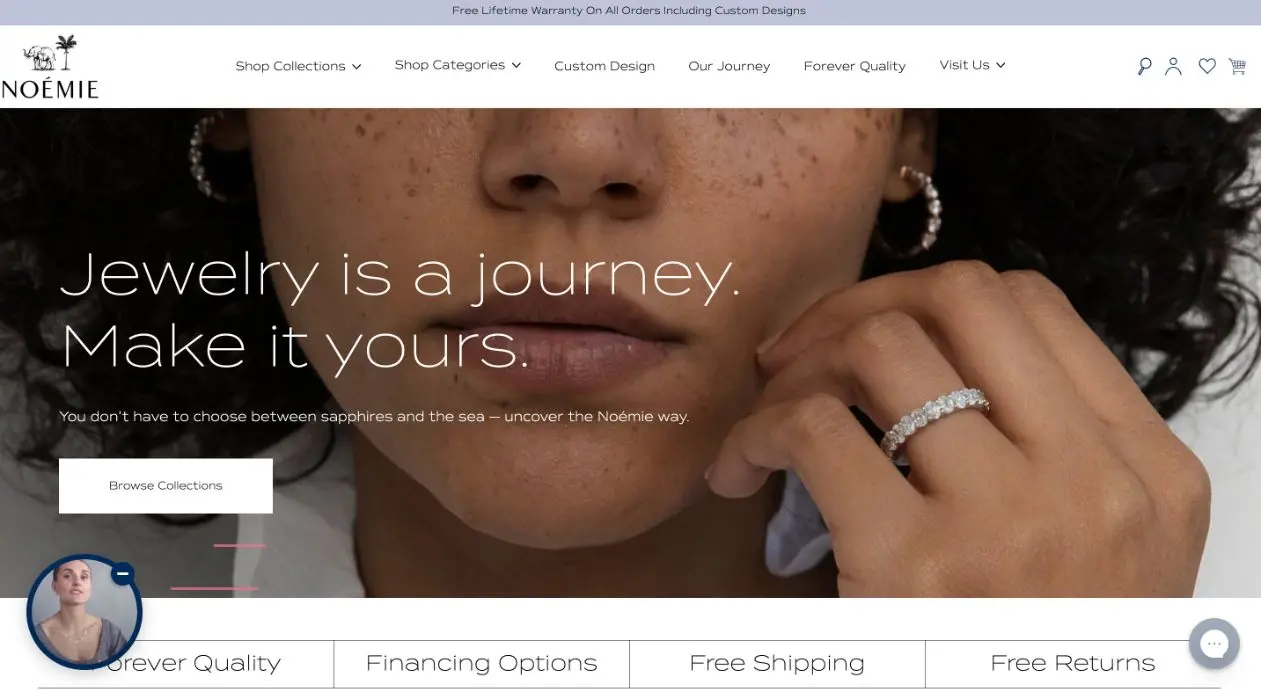
Noémie sells jewellery.
37. Noah's Box
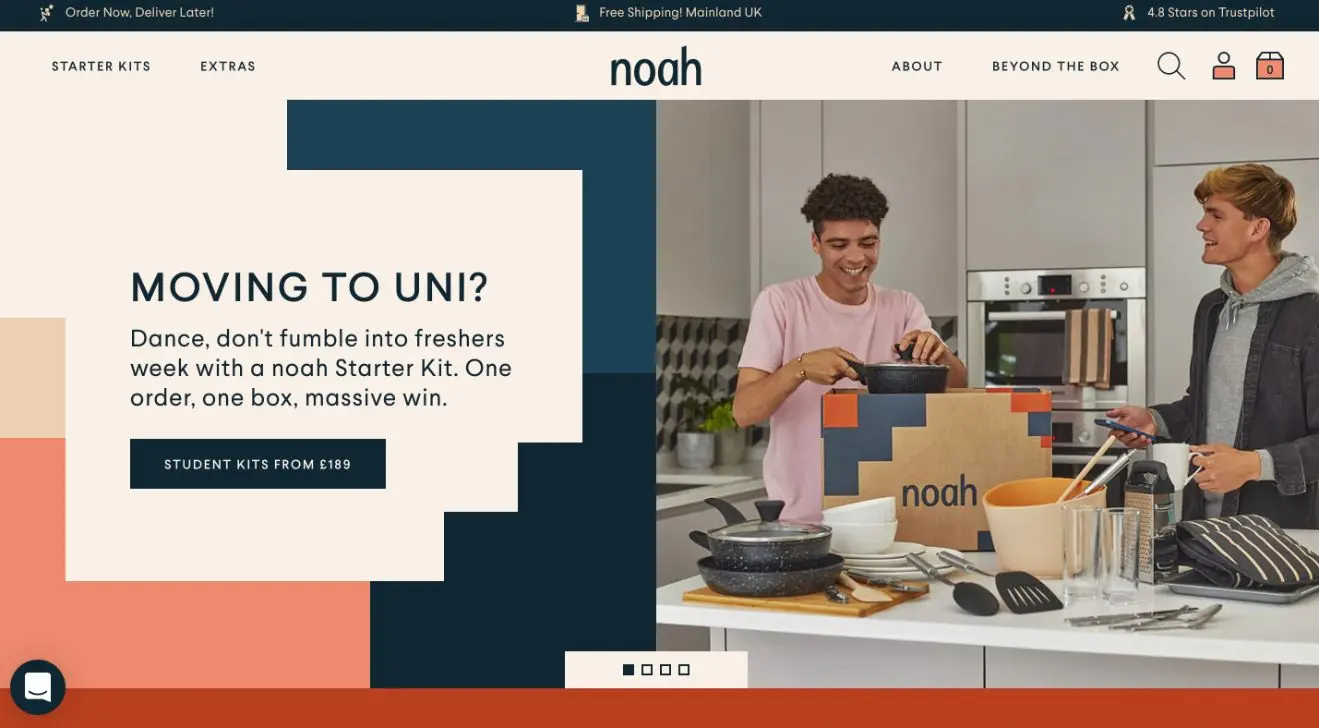
Noah's Box sells subscription boxes starter kits.
38. Label K
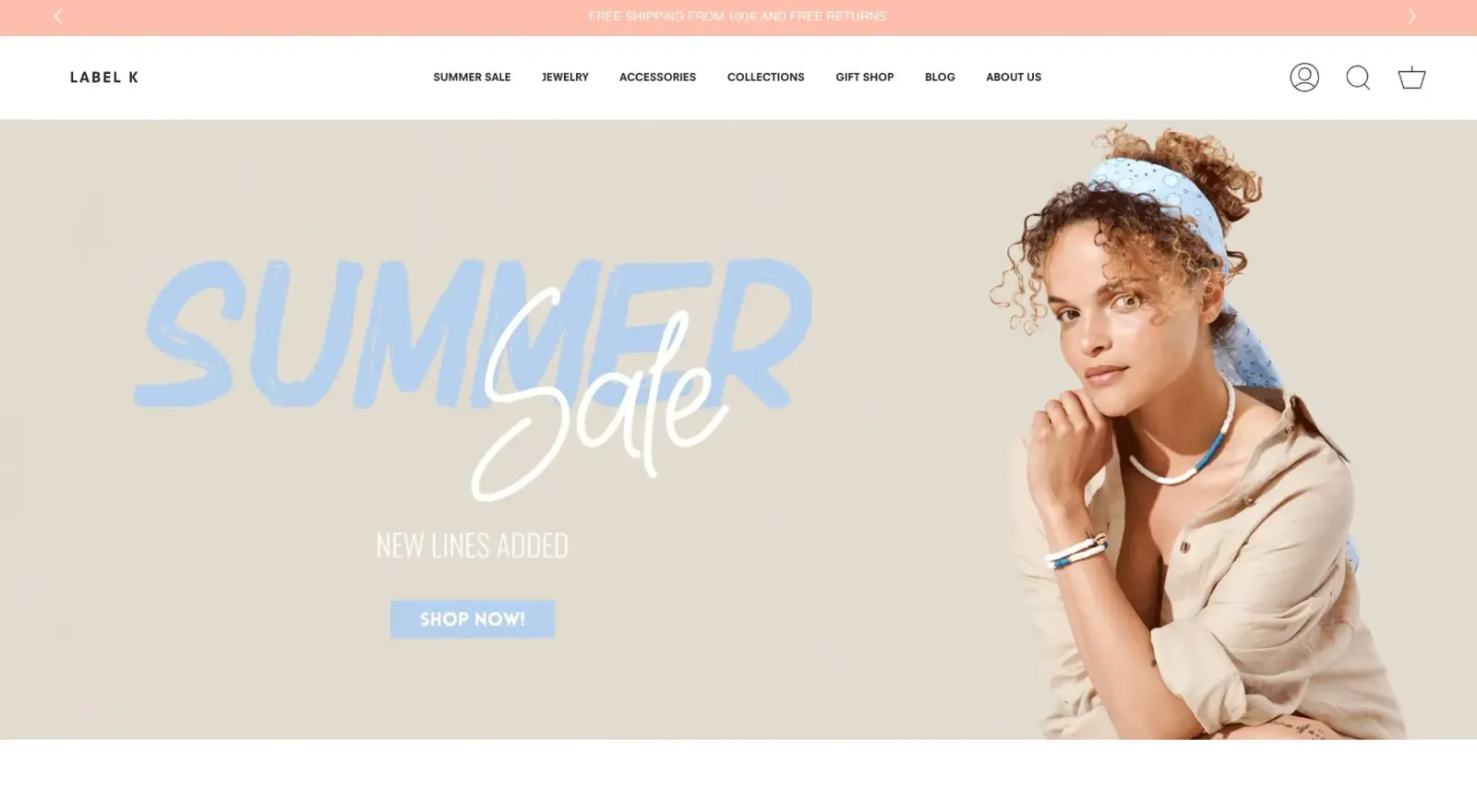
Label K sells jewelry for moms by a mom.
39. Acton Global
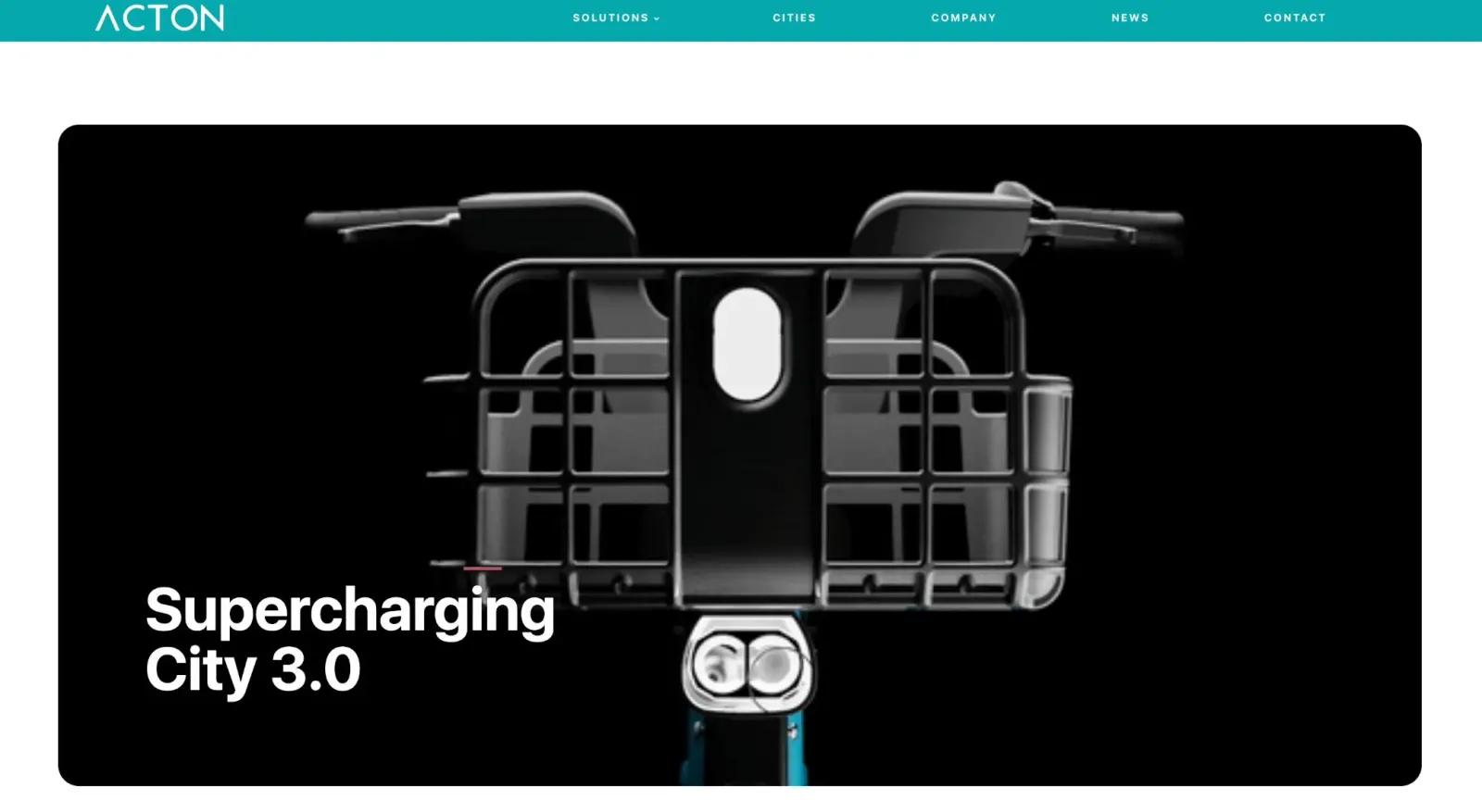
Acton sells electric skateboards and related gears.
(NOTE: Acton Global uses ReferralCandy for their referral program!)
40. Snuggs
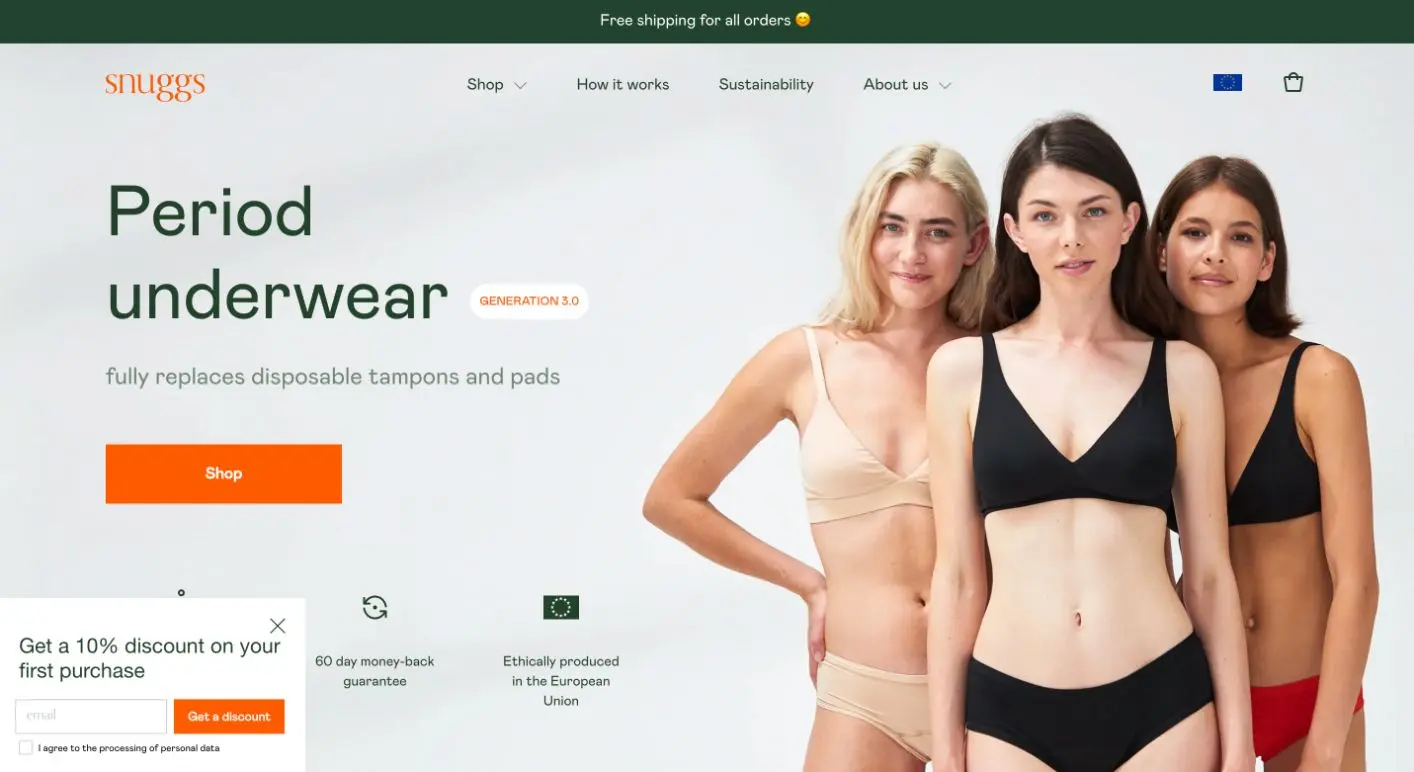
Snuggs sells period underwear.
41. Pretty Litter
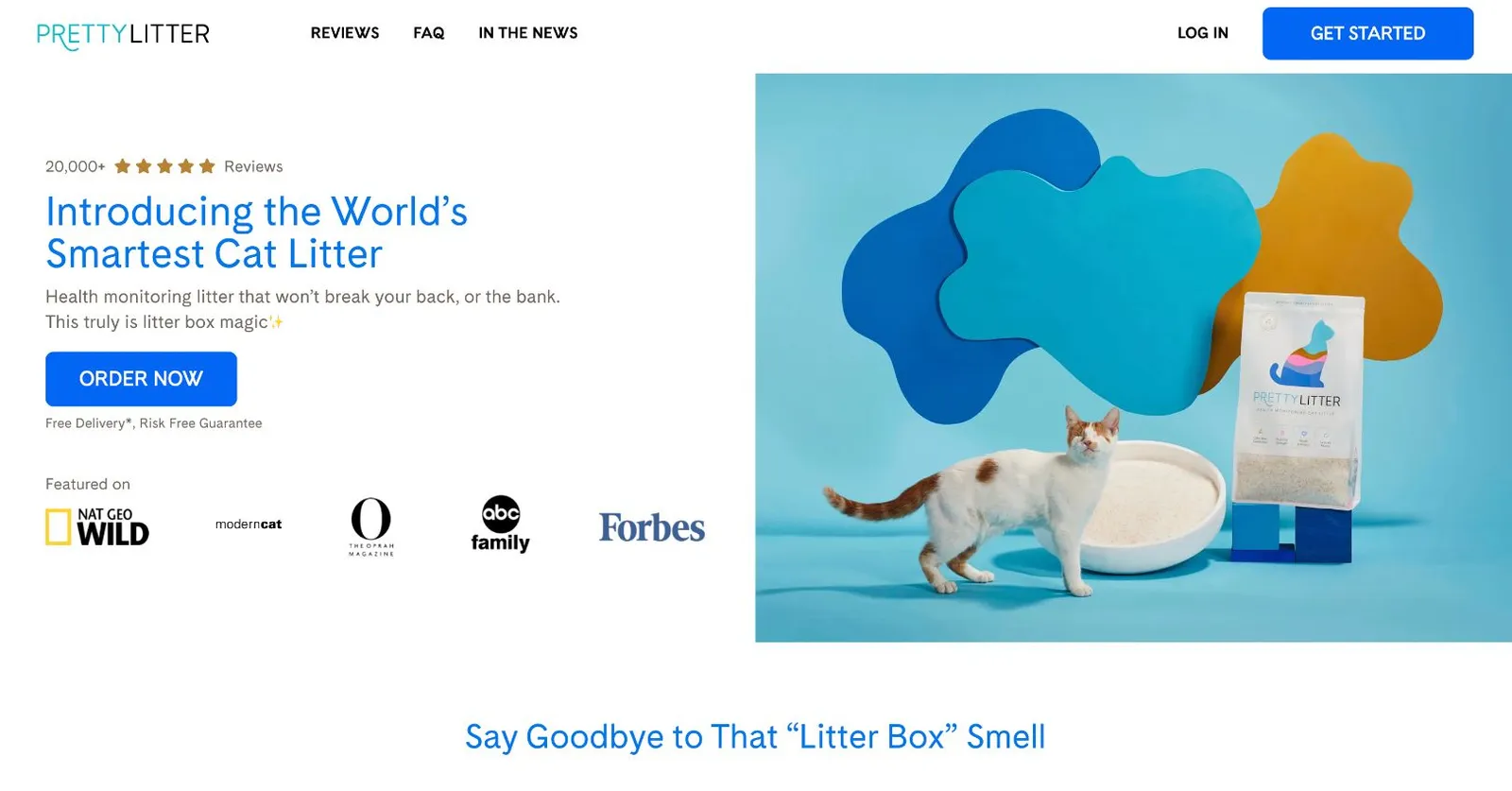
Pretty Litter sells health-monitoring cat litter.
42. Furbo
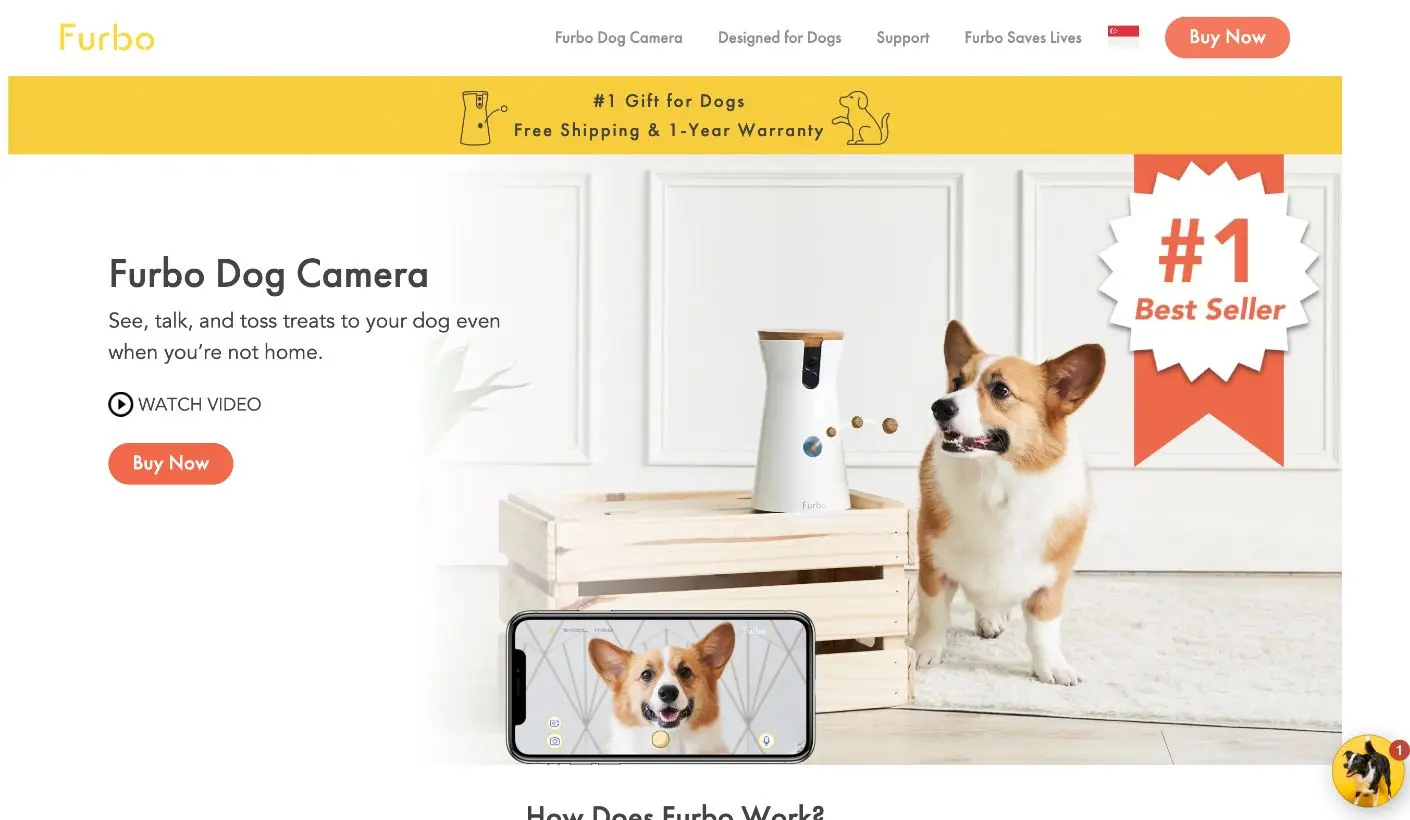
Furbo sells interactive pet cameras.
43. Moxie Scrubs
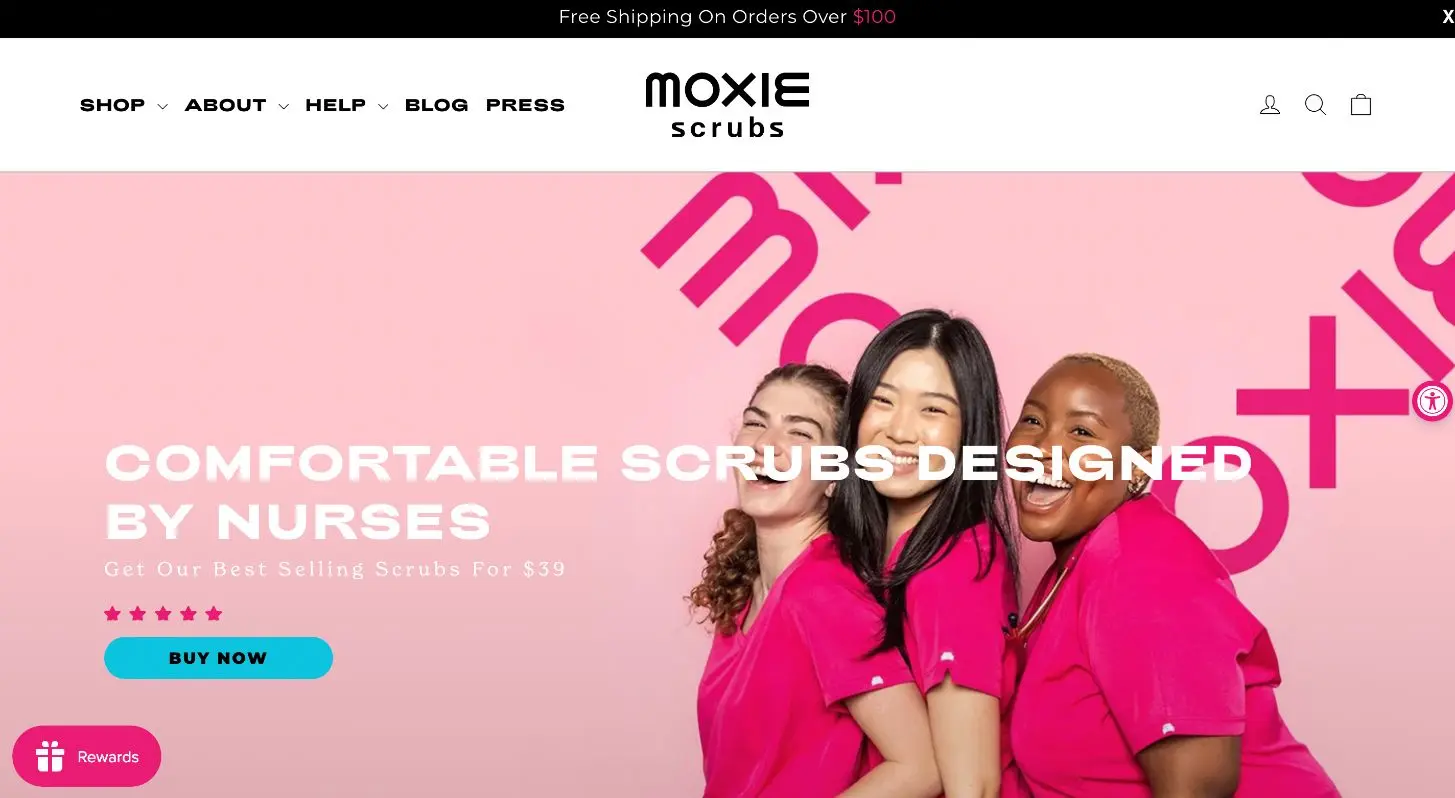
Moxie Scrubs sells medical apparel for nurses.
44. Cheesies
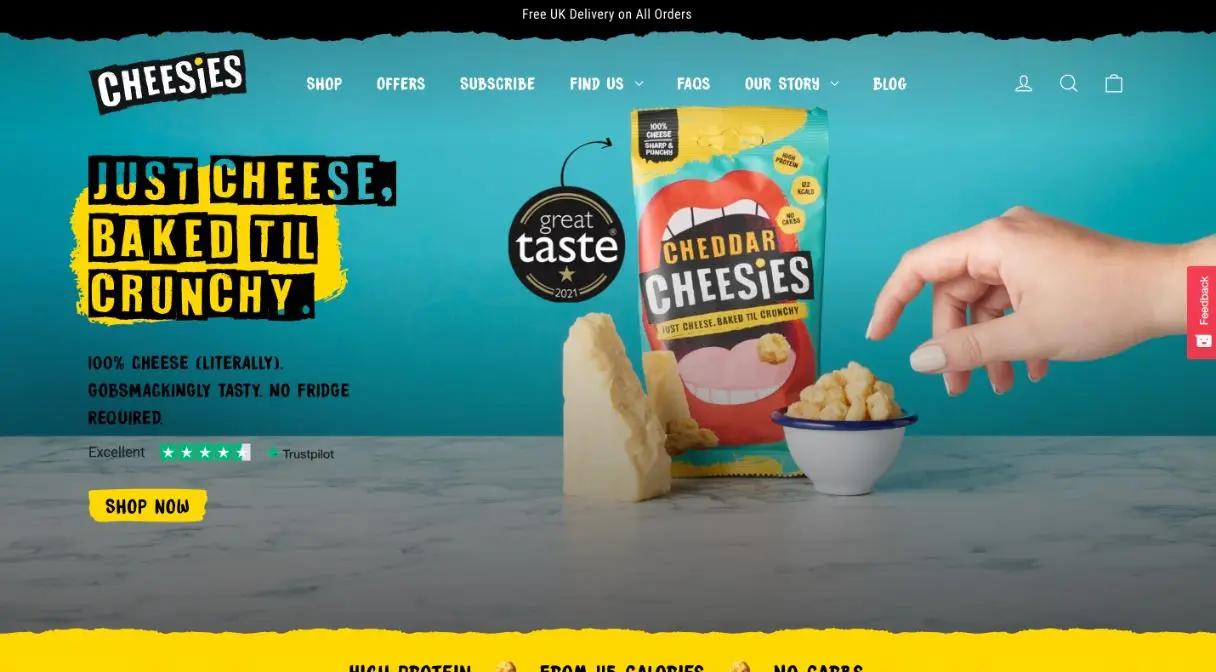
Cheesies sells cheese-based snacks.
45. Thrive Causemetics
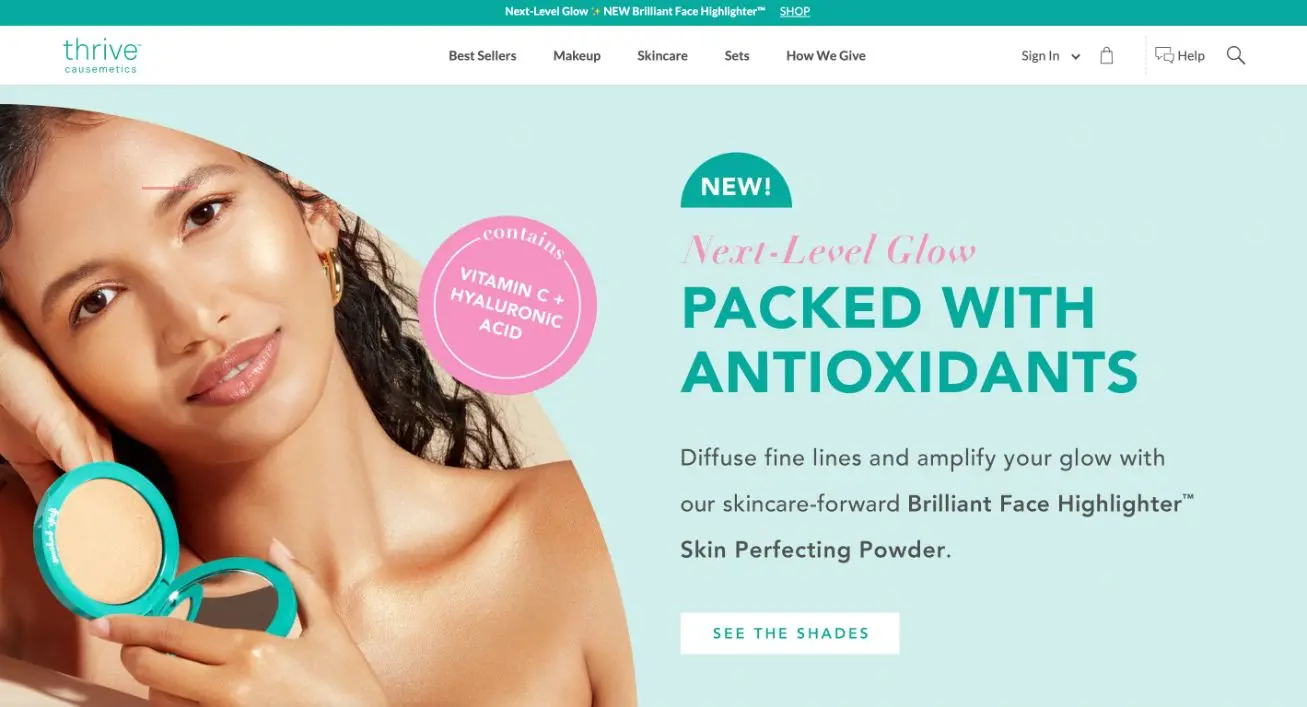
Thrive Causemetics sells cosmetics.
(NOTE: Thrive Causemetics uses ReferralCandy for their referral program!)
46. Player One Coffee
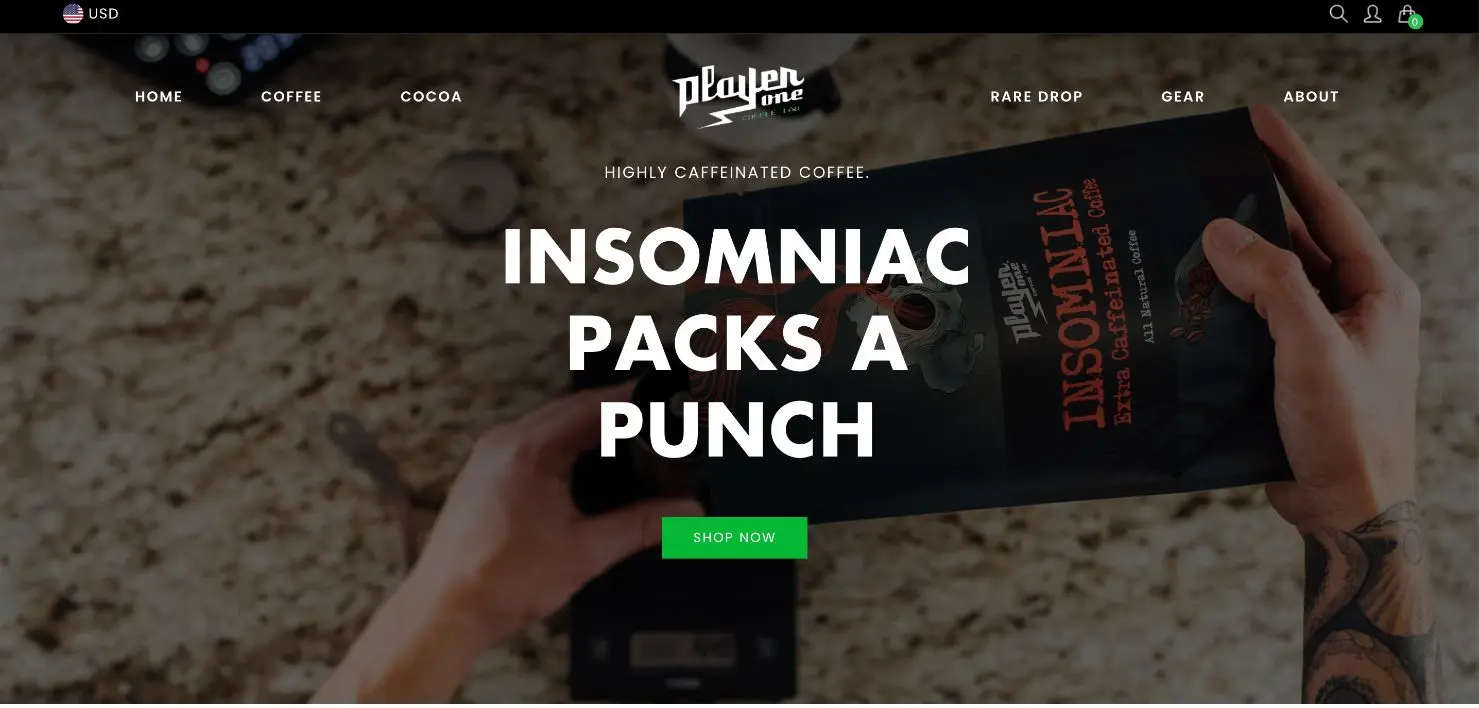
Player One Coffee sells coffee and cocoa beans.
47. Perfect Keto
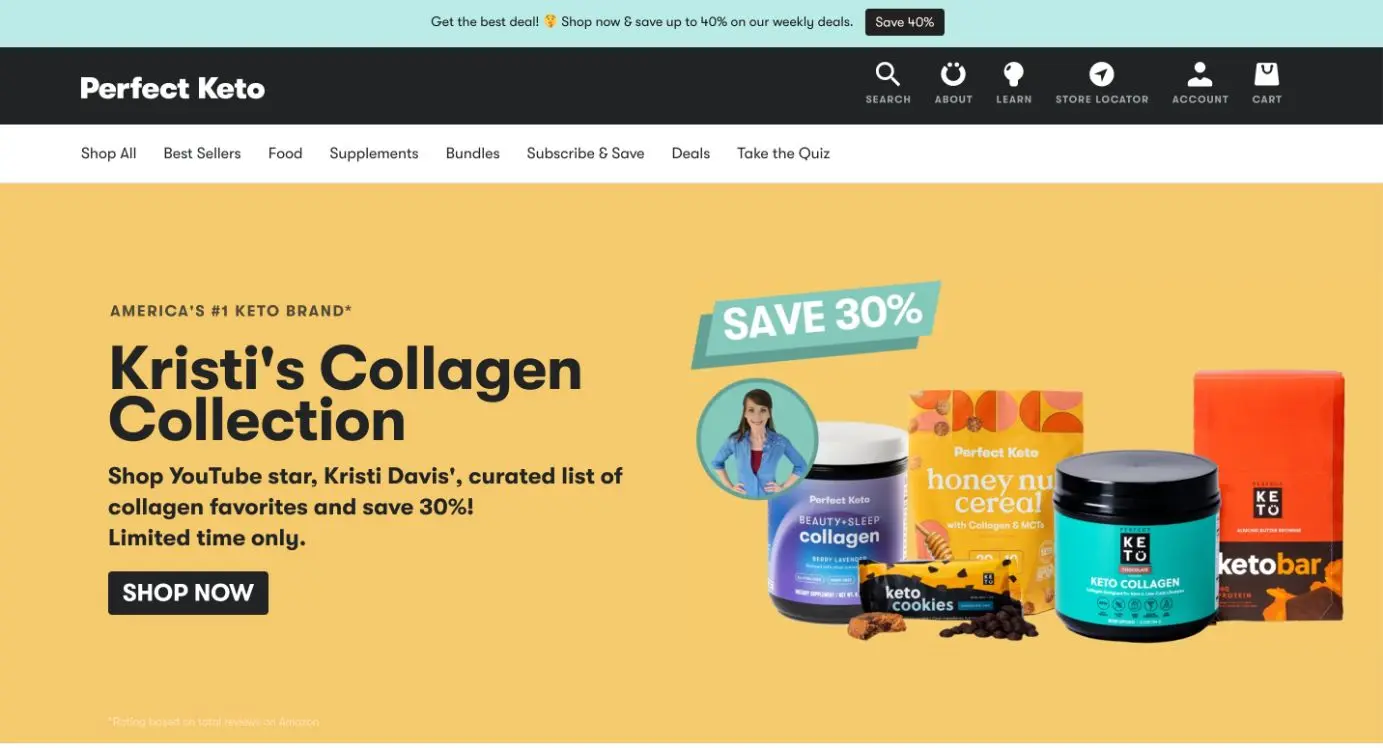
Perfect Keto sells exogenous ketones.
48. RollinGreens
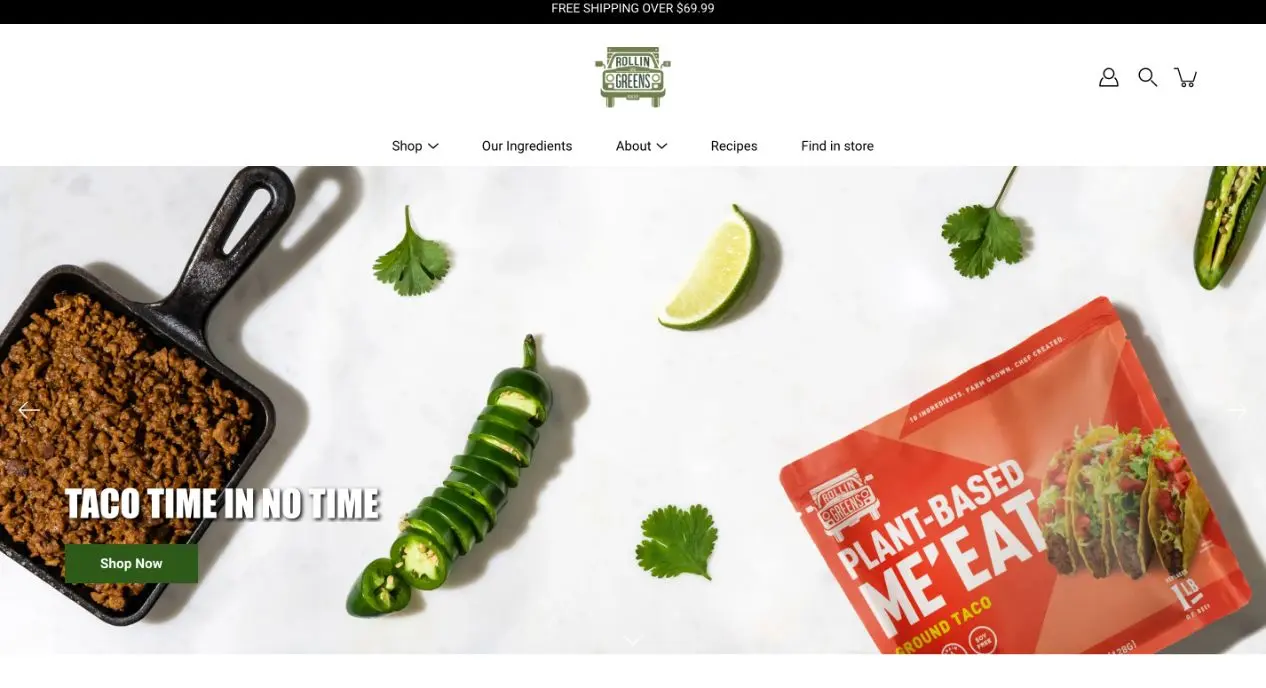
RollinGreens sells plant-based food.
49. Christy Dawn
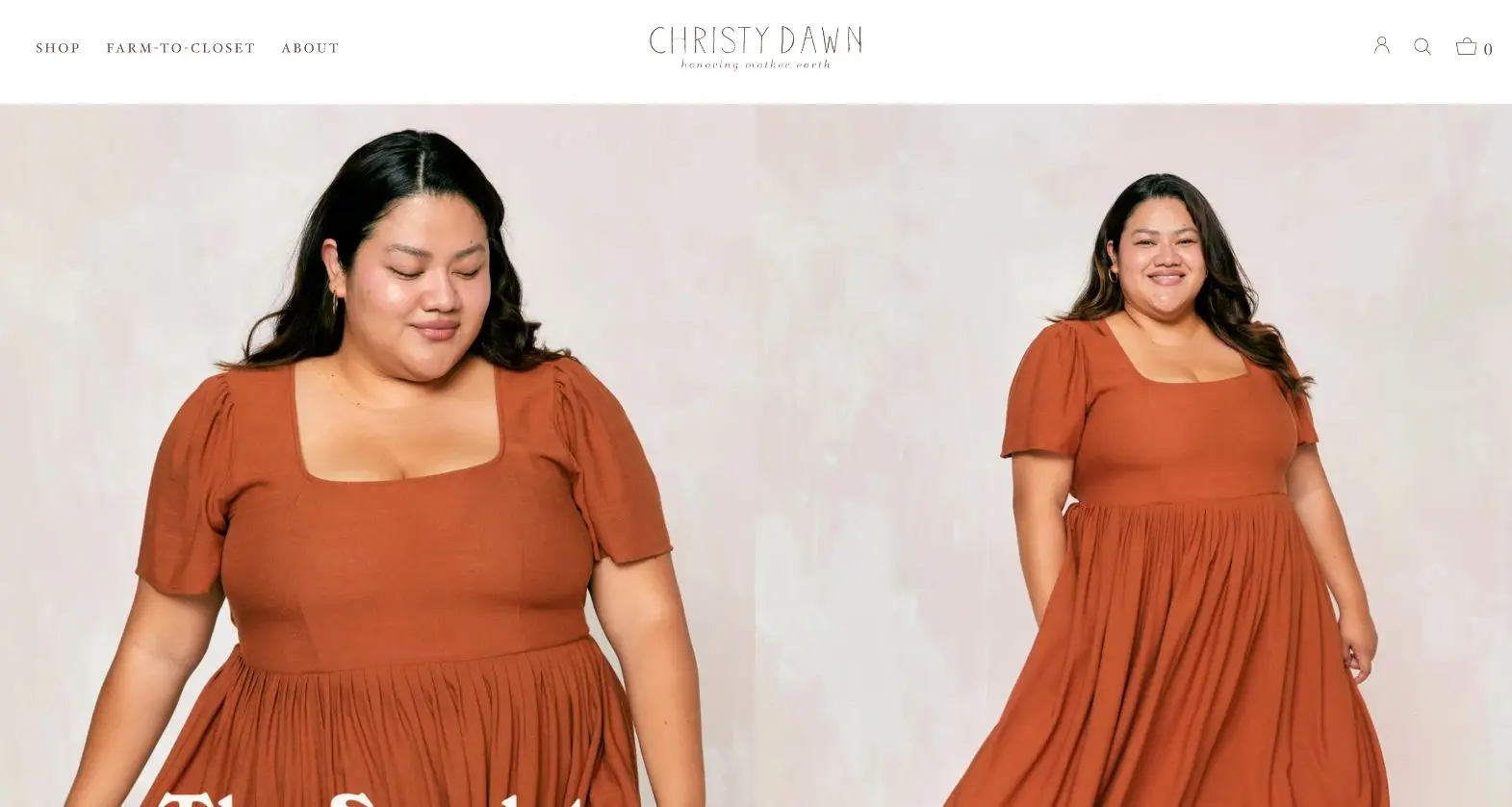
Christy Dawn sells dresses.
(See what Christy Dawn has to say about ReferralCandy here)
50. TRIP
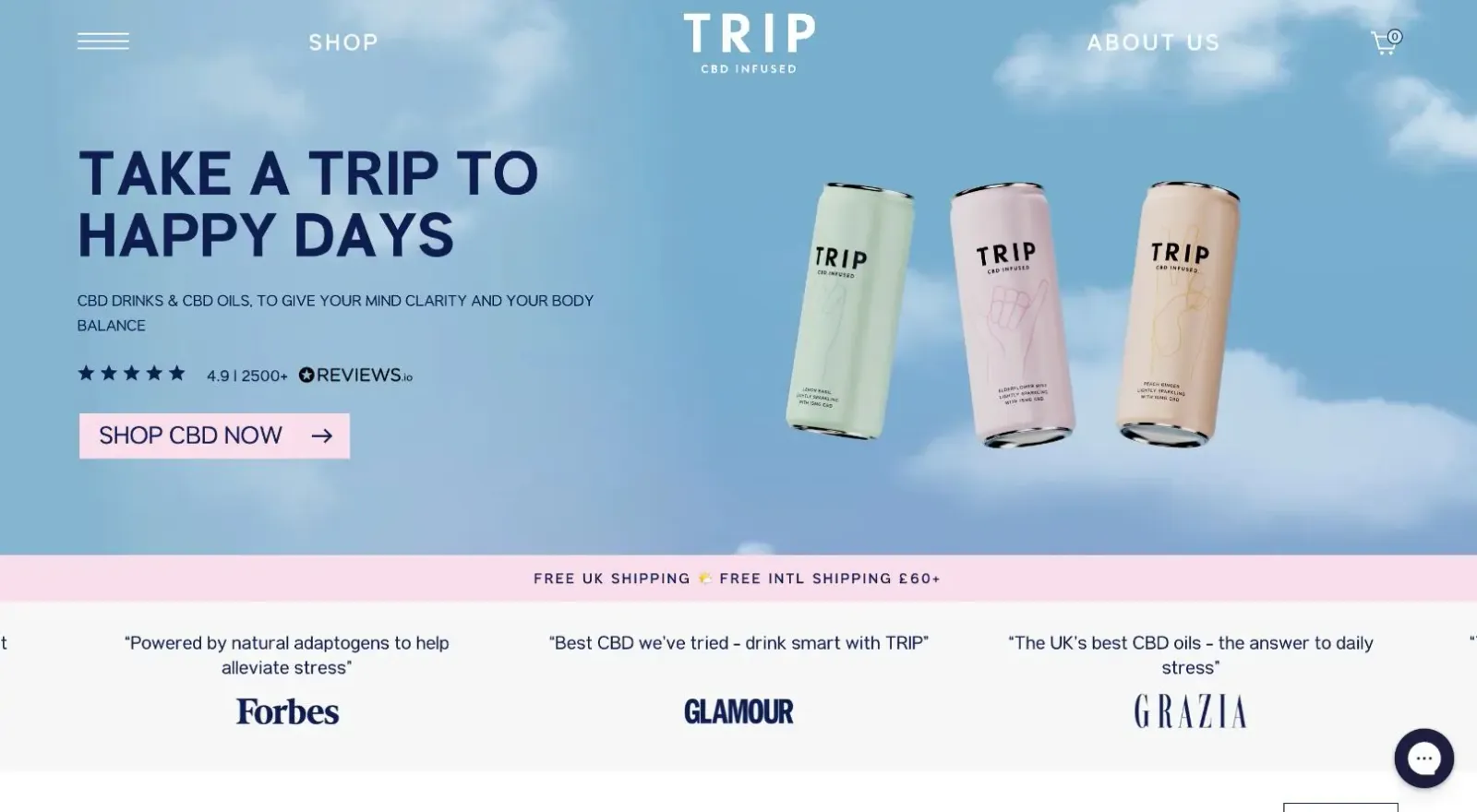
Trip sells CBD drinks and CBD oils.
51. Honeylove
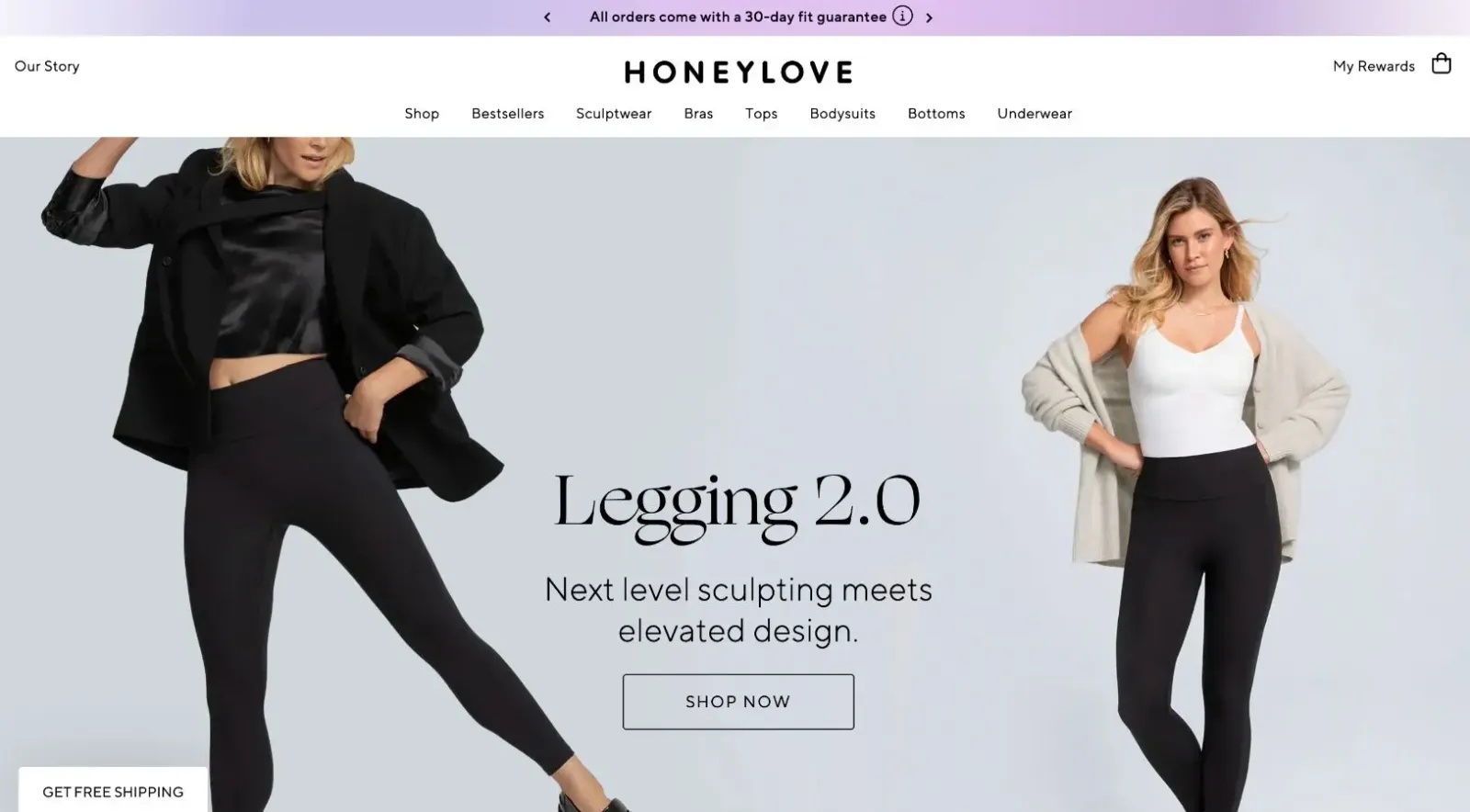
Honeylove sells garments made for all body shapes and sizes.
(Honeylove is also using ReferralCandy to power their referral program)
52. Fleur & Bee
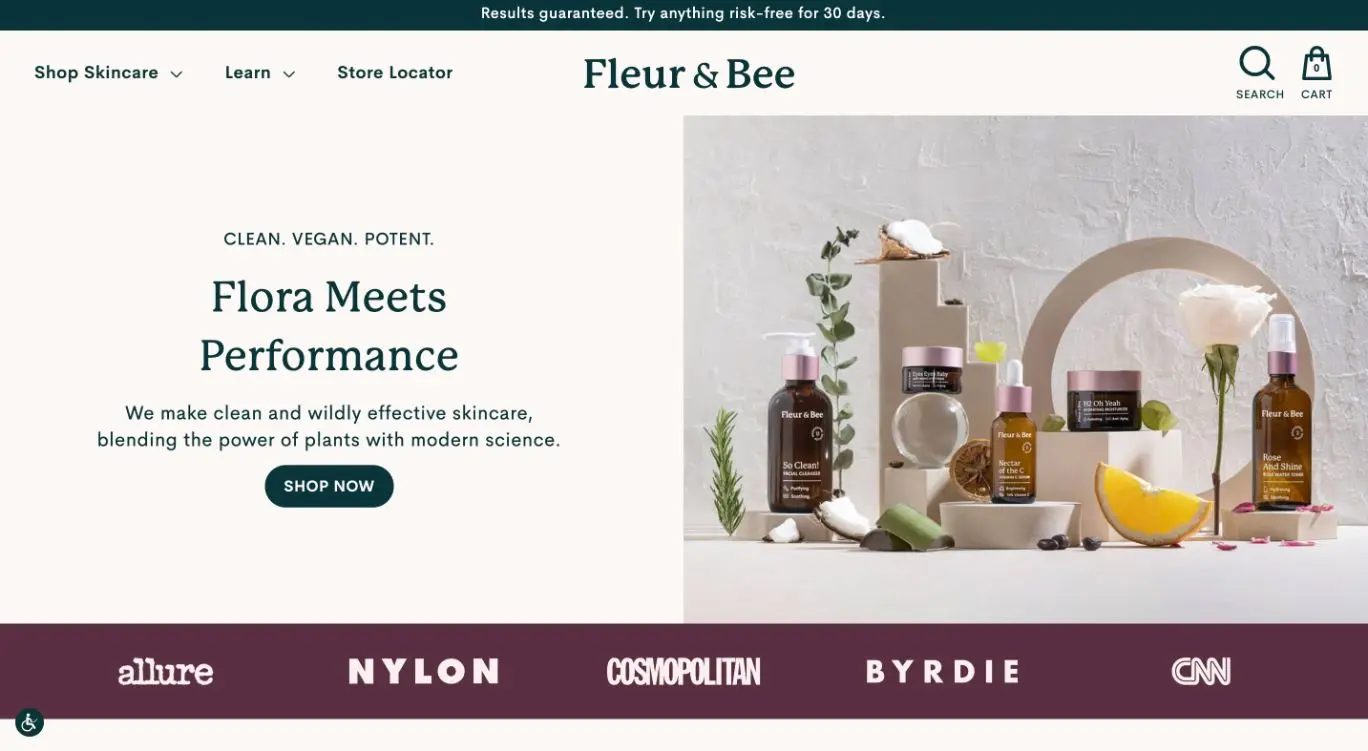
Fleur & Bee sells skincare.
53. Better & Better

Better & Better sells premium, natural, vegan, and eco-friendly oral care with vitamins.
54. JetFuel
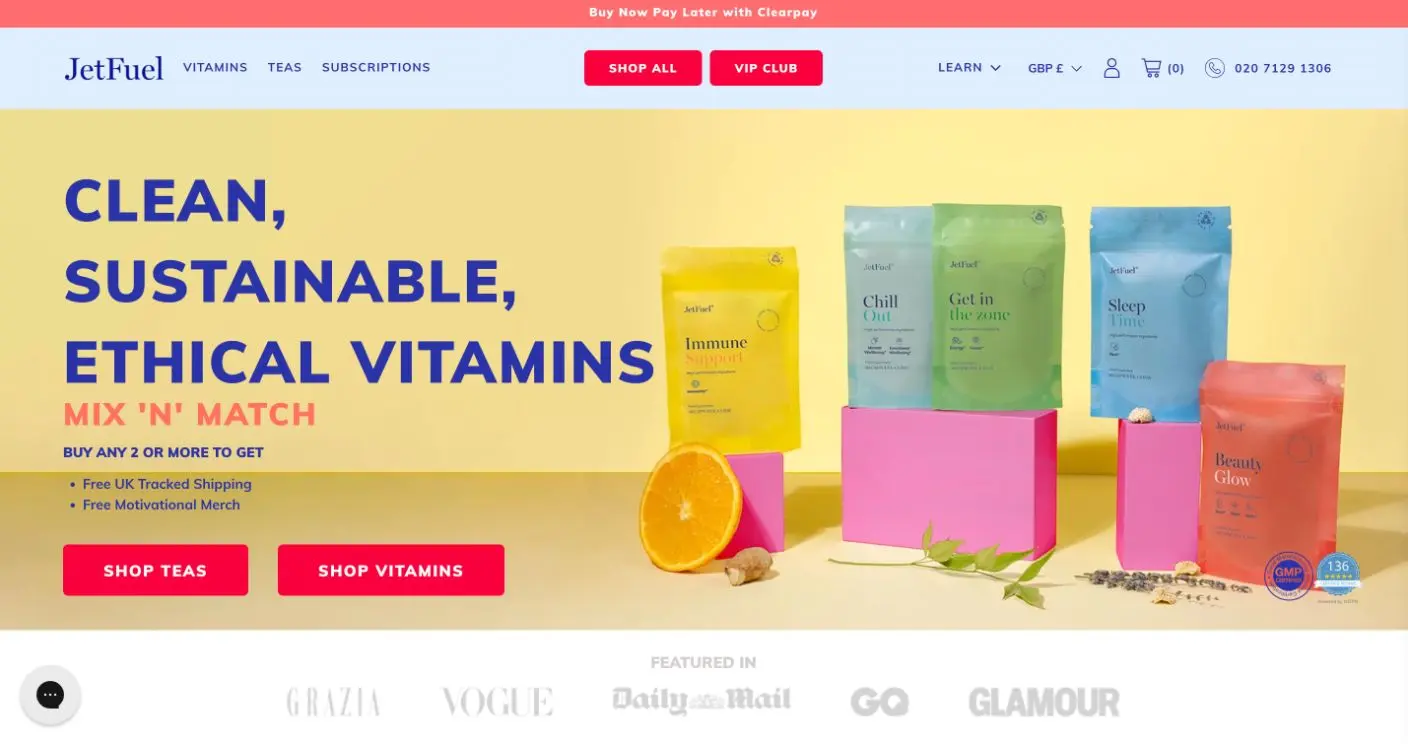
JetFuel sells clean, sustainable, ethical vitamins and tea.
55. A Glass Of
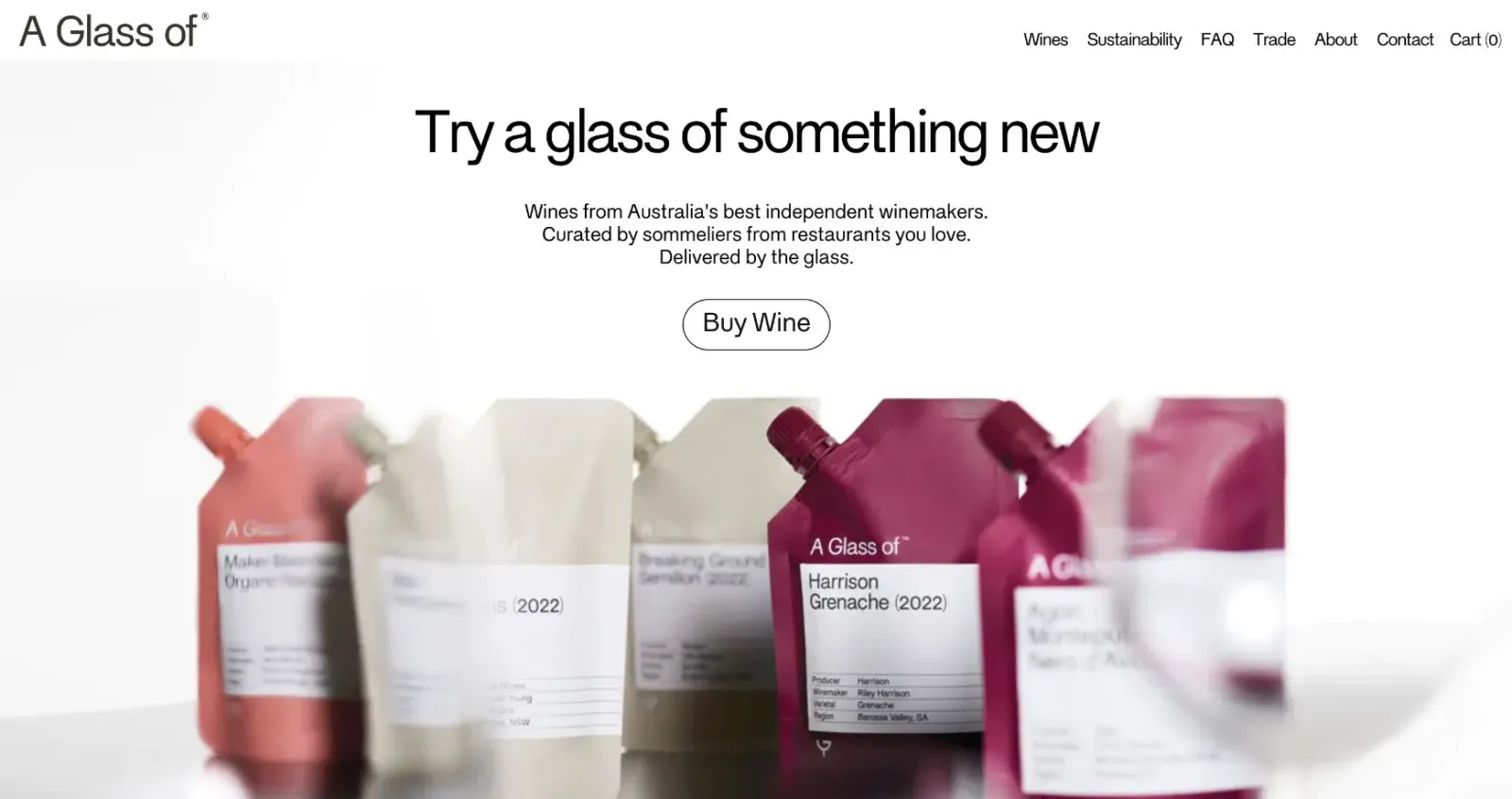
A Glass Of sells wines from Australia's best independent winemakers.
56. Allplants
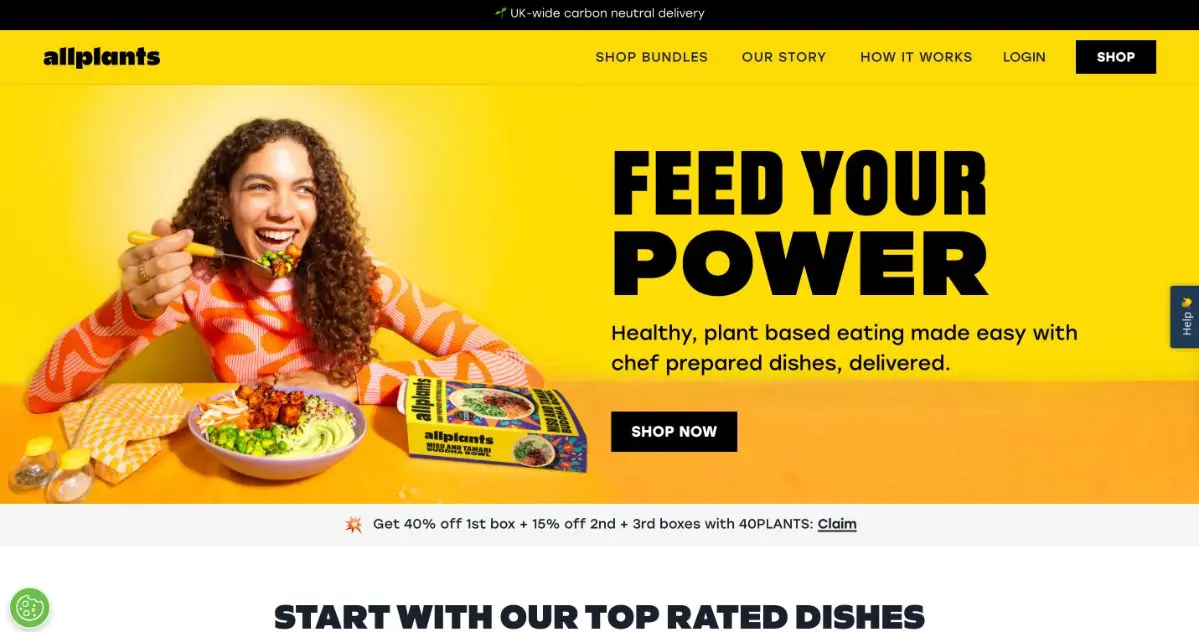
Allplants sells healthy chef-prepared plant-based meals.
FAQ
What makes a Shopify website “great” in 2025?
A great Shopify website is one that helps a shopper find the right product, trust the brand, and check out with minimal friction. The strongest stores usually share a few basics: mobile-first layout, clear navigation, fast-loading visuals, and product pages that answer questions before a customer has to ask. Trust signals matter as much as design polish, so things like reviews, shipping clarity, returns, and payment badges should be easy to spot without feeling spammy. Great sites also keep the path to purchase obvious, with a visible add-to-cart, clean cart, and a checkout that avoids surprises. When all of these pieces work together, the site feels effortless, which is what drives conversion.
What should I copy from these Shopify website examples (without copying the design)?
Copy the patterns, not the pixels. Look for repeatable elements like how the homepage explains the product in one screen, how collections are organized, and how product pages handle sizing, ingredients, FAQs, and social proof. Pay attention to micro-choices that reduce hesitation, such as sticky add-to-cart, clear shipping thresholds, or a product gallery that shows texture, scale, and use cases. If a site feels premium, it’s often because it uses fewer elements with more intention: fewer fonts, fewer competing CTAs, and more whitespace around key decisions. When you translate patterns into your own brand voice and visuals, you get the upside of proven UX without looking like a clone.
What are the most important Shopify design elements for conversion?
Conversion-focused Shopify design is mostly about reducing uncertainty at the moment someone is deciding to buy. The highest-impact elements are: strong product photography, a clear value proposition near the top of the page, and product pages that make pricing, variants, shipping, and returns easy to understand. Navigation should support the way people shop, meaning categories that match buyer intent and a search bar that actually helps users find products quickly. Mobile design is non-negotiable because most browsing happens there, and small friction on mobile compounds fast into abandonment. When the design prioritizes clarity over cleverness, customers move faster from “this looks nice” to “I trust this enough to purchase.”
How does Shopify Online Store 2.0 change what I can do with my storefront?
Online Store 2.0 makes it easier to customize templates and add content in the places it matters, especially on product pages. Instead of forcing every product into the same layout, you can add modular sections like size charts, ingredient lists, comparison tables, FAQs, or educational blocks where they help conversion most. The practical outcome is a better balance between brand storytelling and shopping utility, because you can design for different product types without custom code. OS 2.0 also makes iterative improvement easier, so you can test changes to product pages, collections, and homepage sections without a rebuild. When merchants use that flexibility well, they end up with stores that feel more polished and convert better because the content matches how customers decide.
Get inspired by these top Shopify websites
Don't just scroll through these websites and wait for inspiration to drop.
Observe and analyze carefully how these websites have managed to bring out their brand personality, nail their Shopify SEO and still motivate customers to buy, and buy more. Here are some good pieces of advice from experts:
The three most important pieces of information to the user are image, name, and price.
— Oddit 👀 (@itsOddit) July 12, 2022
Make sure you've got ALL three: pic.twitter.com/L50z8eLxly
Every homepage should have a "Why" section pic.twitter.com/HM66b93BW1
— Oddit 👀 (@itsOddit) July 8, 2022
As brands gain popularity they tend to neglect new users by not explicitly stating what makes them great.
— Oddit 👀 (@itsOddit) July 5, 2022
Perfect example 👇 pic.twitter.com/vWdqF49ZlY
Some other quick tips for your ecommerce sites:
- Reduce your product image sizes! This is one of the easiest ways to save on vertical space & help with conversion. A 1:1 ratio tends to work best!
- Don't get overly ambitious when displaying the benefits of your products—simple is the way to go.
Once you've identified these patterns of success, apply them to your website and soon, you'll have a beautiful + high-converting website to shout about. But if some of these websites require more technical or design skills, why not hire a freelance Shopify Web Designer for your ecommerce website project!
Here are some articles that we think might be able to help you optimize your ecommerce website further:
- A Step-By-Step Shopify SEO Guide (For Real People)
- 20+ Easy Call-to-Action Examples That Boost Conversions And Sales
- Top Ecommerce Landing Pages & Why They Work
P.S. If you enjoyed reading this, subscribe to our newsletter where we share our latest articles and helpful resources — or see our pricing plans to launch your own referral program.”