
Every merchant who runs a referral program is, knowingly or not, making the same bet: that a customer who walks in through somebody's recommendation will, given enough runway, recommend somebody else. That bet is what makes the channel structurally different from every other acquisition lever, because the customer you just acquired is also a future seed. Most merchants take that bet on faith, so we pulled the numbers to see what kind of faith it actually warrants.
The setup
We took every end customer who made their first purchase at a ReferralCandy-run Shopify store during a recent twelve-month window. The cohort runs to more than 20 million people. Some of them arrived as a referred friend, meaning that a referral from an existing customer was their path through the door, and the rest came in through every channel a Shopify store has on offer: ads, search, social, the app store, organic word of mouth, anything other than the referral program itself.
Then we looked forward, for both groups, across the year or two that followed each customer's first purchase. The question was who later showed up in our records as a successful advocate — somebody whose share of the program brought in at least one new customer that the system did not flag for fraud or self-referral. Each acquired customer had between twelve and twenty-four months of post-acquisition runway to do this, depending on when in the window they first bought.
The question: Do referred customers share more?
With this in mind, we set out to answer the question: Do referred customers from Shopify merchants share more than those acquired through other channels?
There have been several high-profile marketing studies over the last few decades that make this claim, but none have addresses this question in a Shopify-specific scenario, and with the market dynamics of 2026.
The answer
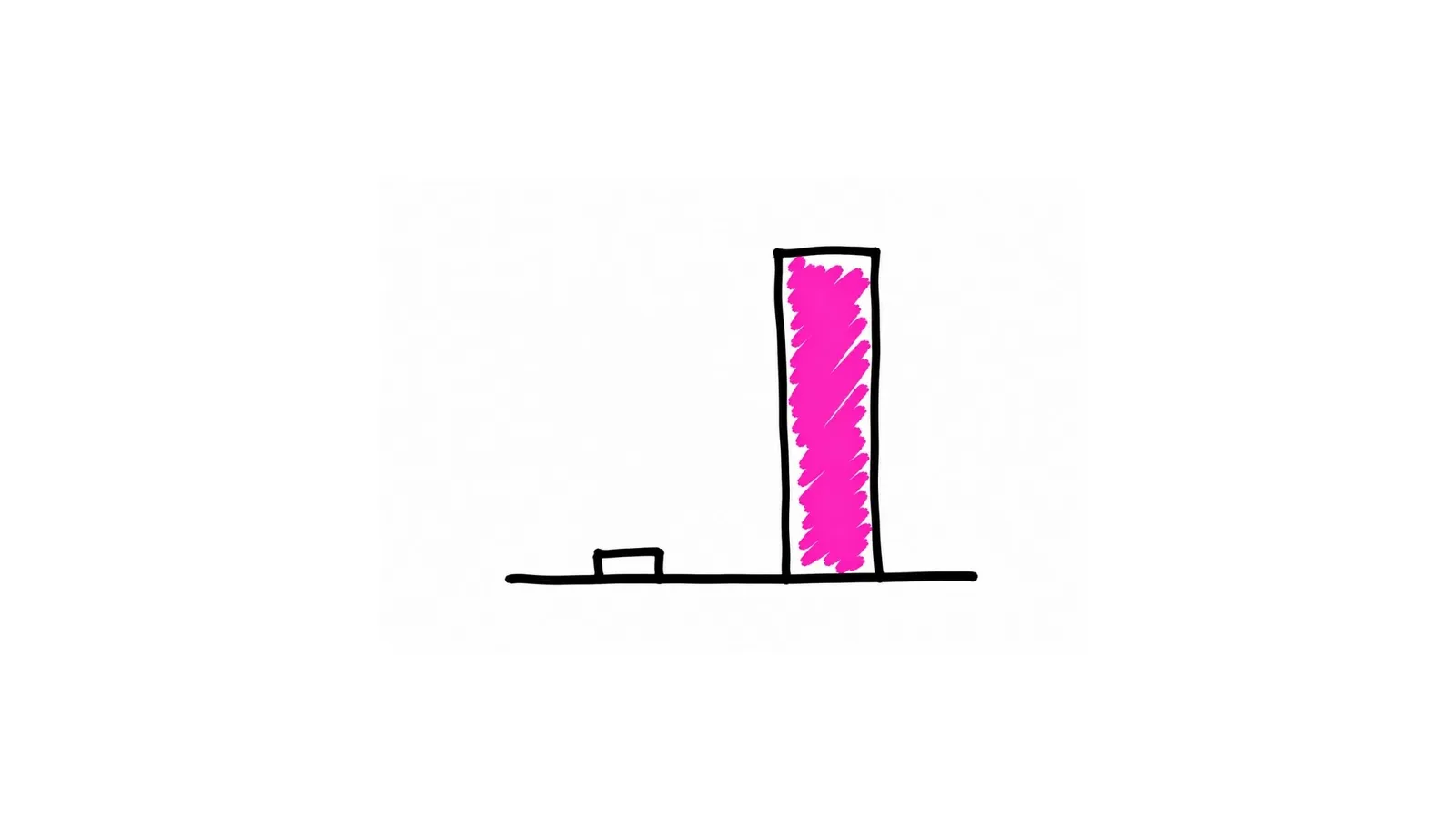
Among the customers who came in through every channel other than the referral program, 0.30% went on to successfully refer at least one friend.
The referral cohort moves on a different scale. The same behavior, among customers who arrived through a referral, runs at 3.27% — one in 31.
A customer who arrived through a referral is 10.7 times more likely to bring you another customer than one who arrived through anything else. The multiplier the entire channel pitch has rested on for years is real, and it sits about an order of magnitude above what a merchant would assume from looking only at the receipt on the day of purchase.
Where the gap comes from
Selection explains a chunk of it. A customer who comes in through a referral meets the program at the door — they saw the friend's invitation, they likely received an incentive at checkout, and they know the mechanic exists in this store before they have even committed to a basket. A customer who arrived through a paid ad doesn't necessarily know about the referral program immediately; whether they do depends on which surfaces the merchant has actually turned on in the post-purchase flow, on the account page, or in email. The Shopify thank you page is the best referral program real estate.
But selection cannot account for a gap of more than ten times, and it does not explain how robustly the pattern holds across the full breadth of our Shopify merchant base, on stores running very different products at very different price points. The simpler reading is that what makes referrals difficult for most customers is the unfamiliarity of being the one asking — a friction merchants underestimate because they spend their tuning energy on incentives, which are the knobs they control. The larger knob is whether the customer has been on the receiving end of a similar ask before. Once they have, the awkwardness collapses, and what is left is a small, low-cost behavior the program has made legible.
What it changes
Most pitches for referral software still hang on customer-quality claims: the spending-more, staying-longer, prettier-LTV-chart family. Those claims (although true in many cases) are fragile in any single merchant's data, because the per-customer effect is modest and the attribution is messy enough that two analysts looking at the same warehouse will not always end up in the same place. Compounding sidesteps both problems. It shows up at scale, at a rate of 10.7 to 1, and a merchant can verify it in their own data the moment their referral cohort gets past a couple of thousand customers.
Two practical reads come out of this:
- Surface the share-CTA to every customer, not only the ones who came in through a referral. Part of the 10.7x gap is selection — referred customers see the program; everyone else may not. Broader surfacing across post-purchase widget, post-purchase email, account page and embedded sharing closes some of that, which lifts the absolute volume of advocacy even if the per-cohort rate barely moves.
- Argue the program on what it actually does. A merchant running referrals for two years is buying customers at a unit cost that, in expectation, includes one re-purchase of the channel for every 31 acquired. The unit economics of that reads very differently from paid acquisition, and the business case should be built on those terms rather than on inherited claims about who the referred customer is.
The honest pitch for referrals was always available, and the data has caught up to it. A customer acquired through a referral is, on average, more than ten times as likely to start the next one. That is the lever the channel actually pulls, and any business case built on it stands on firmer ground than the customer-quality argument it tends to replace.