

The best affiliate programs are already running. Not in a case study deck — on the brand sites you'll visit today, paying real commissions to real partners. You don't need a benchmark report to see what works. You need a browser tab and a few minutes.
We run affiliate and referral programs for thousands of ecommerce merchants through ReferralCandy, so we get to see which shapes hold up over quarters — and which fall apart the first time a creator actually does the math. Look at three of the brands below. ButcherBox For Pets pays creators $75 cash per new subscriber, a number tuned to subscription lifetime value. CarCover.com pays a flat $20 per sale with no caps, and runs a separate 20%-of-purchase tier for YouTube. Platanomelón runs a 12% podcast revenue share, because podcast listeners convert on trust.
Three brands, three different commission shapes, and all three work. An affiliate program is really a bet on who's doing the selling. Get the partner right and the structure writes itself. Get it wrong and no commission rate will save you.
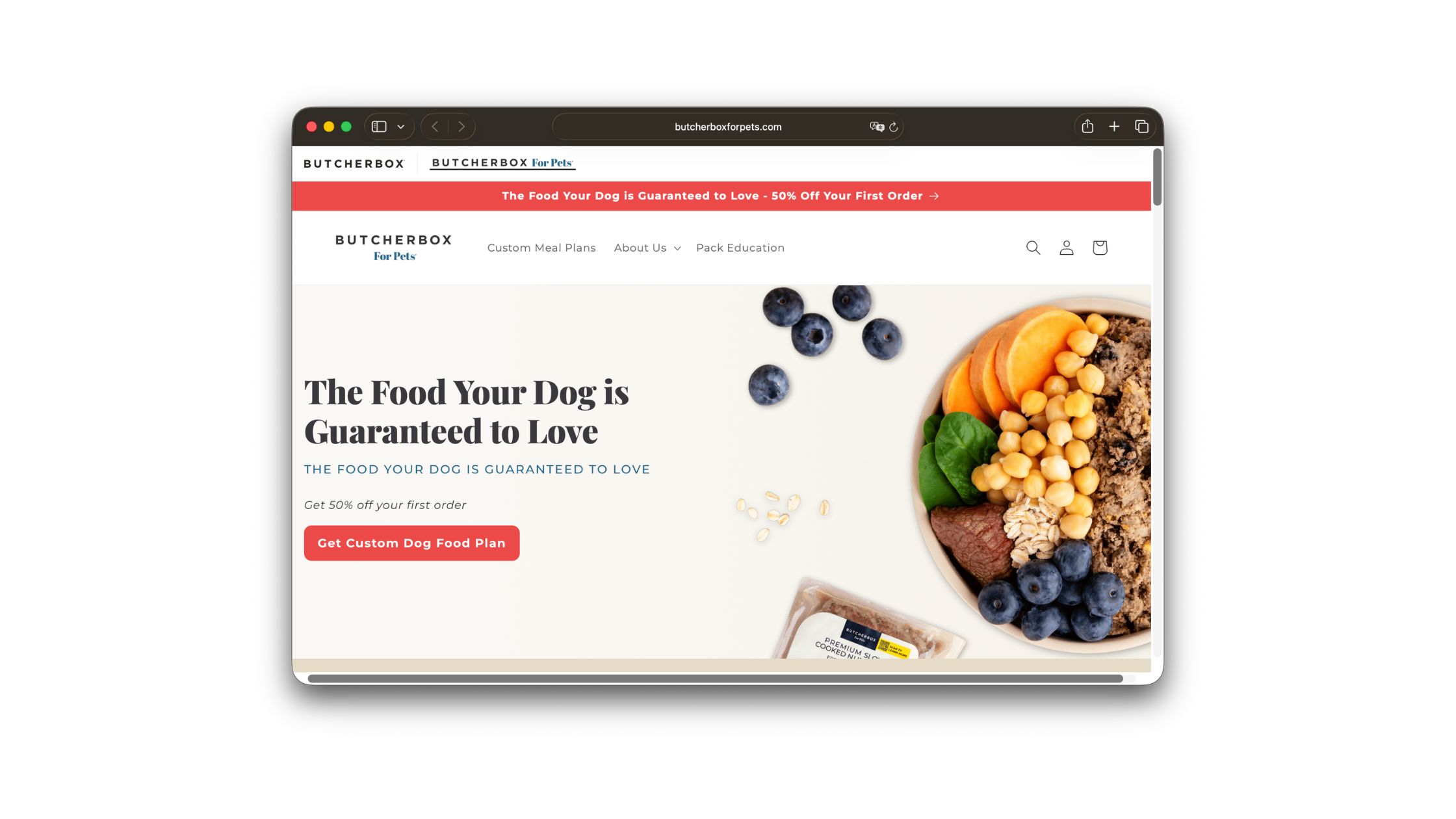
ButcherBox built its reputation on humanely raised meat delivered monthly, and the pet arm carries that trust into the dog and cat aisle — a category where margins favor recurring purchases and customers already buy into subscription logic. The brand runs two tracks: a loyalty rewards campaign that pays existing customers $20 per referral (or 10% if they prefer commission), and a Dog Product Partner tier that pays $75 cash for new subscribers brought in by creators and collaborators. The two rates reflect who's doing the selling. Customers referring friends don't need the same incentive as partners working an audience, and a flat $75 signals real confidence in retention.
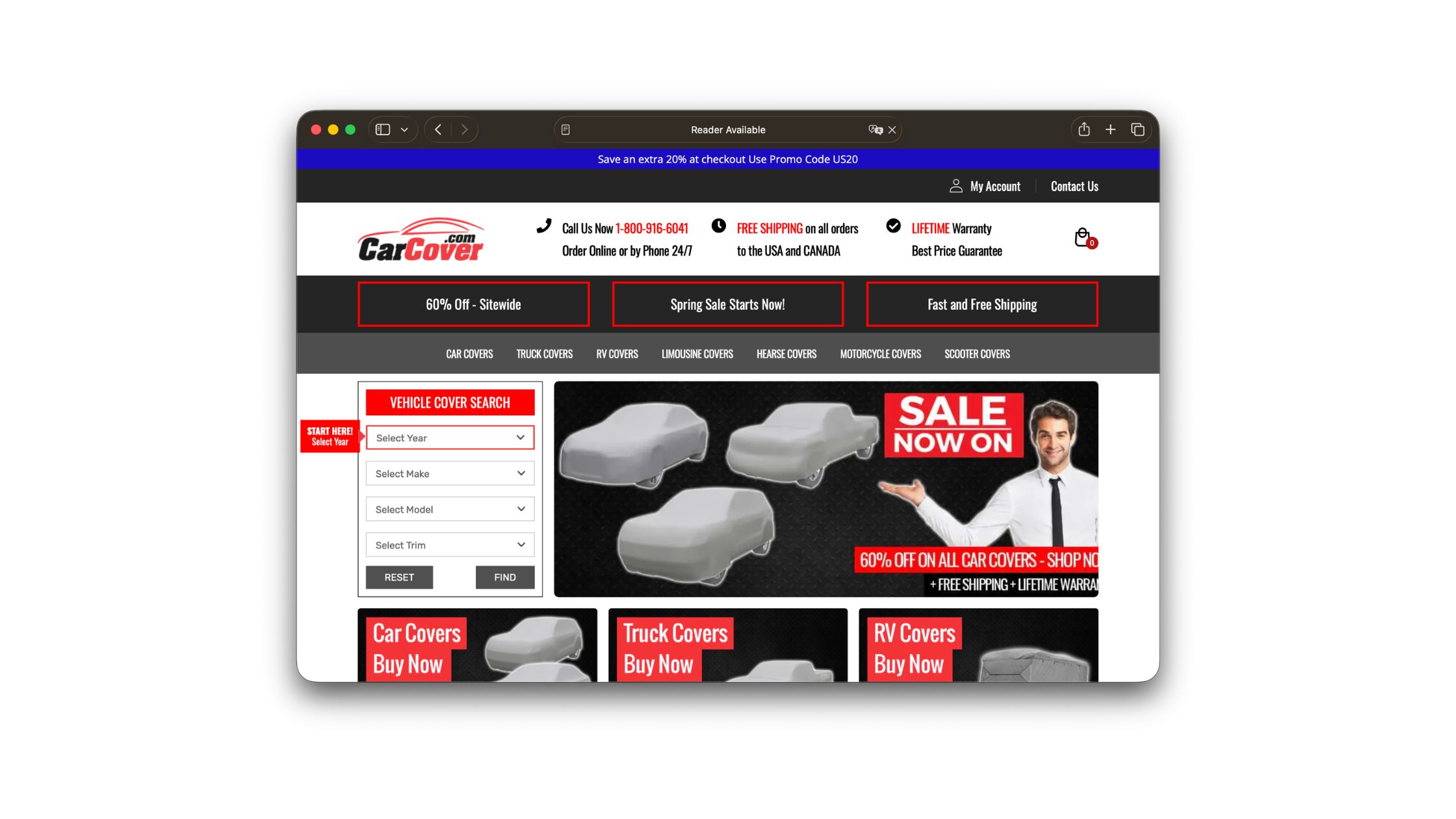
Car covers aren't an impulse buy. They're a research purchase: Buyers compare materials, fitments, and reviews before they commit, which means YouTube walkthroughs and long-form content do most of the converting. CarCover.com pays a flat $20 per sale with no caps on its core affiliate program, and layers on a dedicated 20%-of-purchase tier for YouTube creators. Two structures, one insight: content that teaches earns differently than content that recommends.
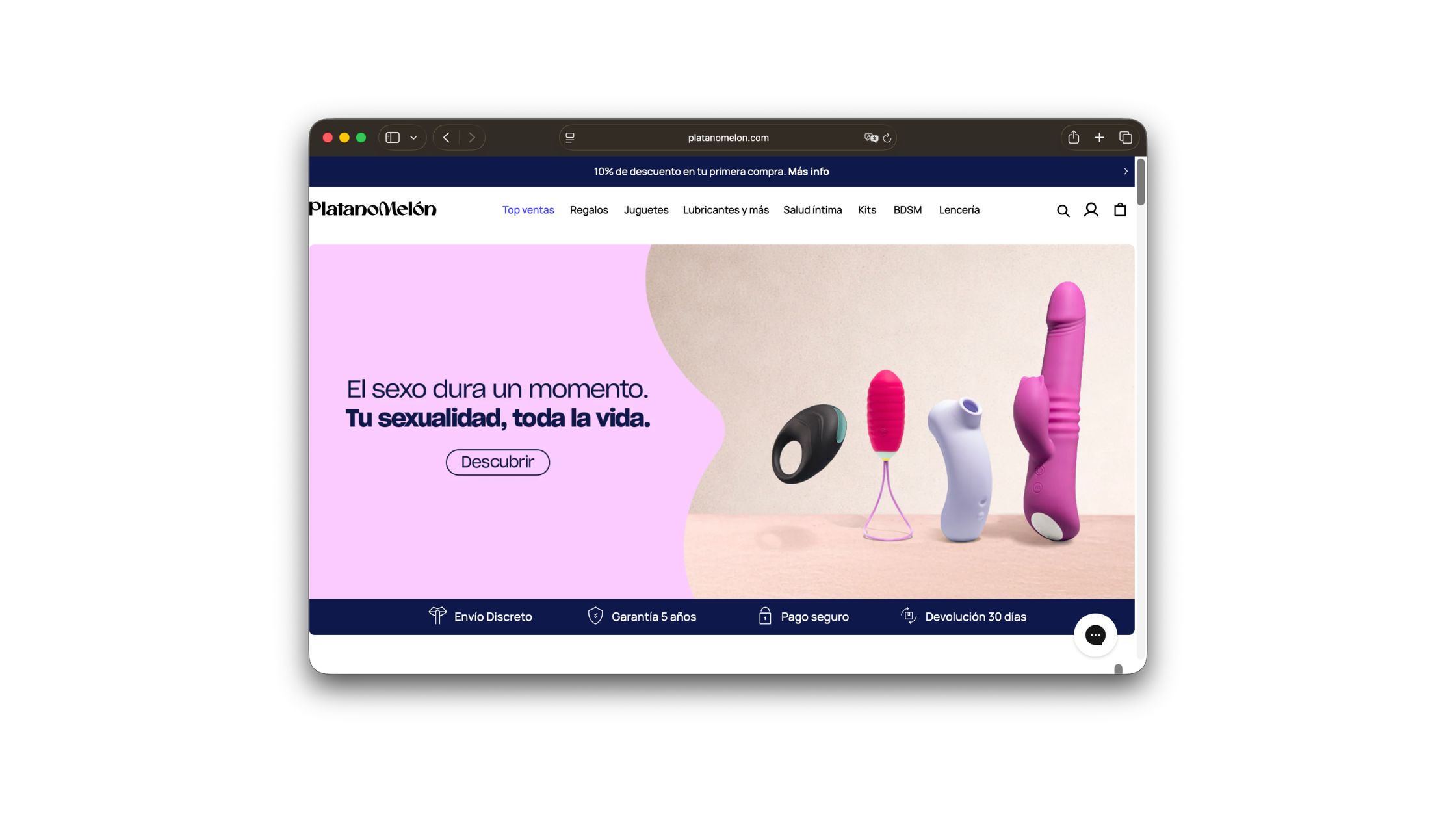
Platanomelón is Spain's best-known sexual wellness brand, in a category where conversations carry more weight than ad copy and where podcasts do more selling than social. The brand runs a podcast-specific revenue share at 12% alongside a smaller store-credit reward for customer-referred orders. Revshare fits podcasts because the conversion arc is long and the listener relationship outlasts the episode. The incentive has to match the shape of the trust.
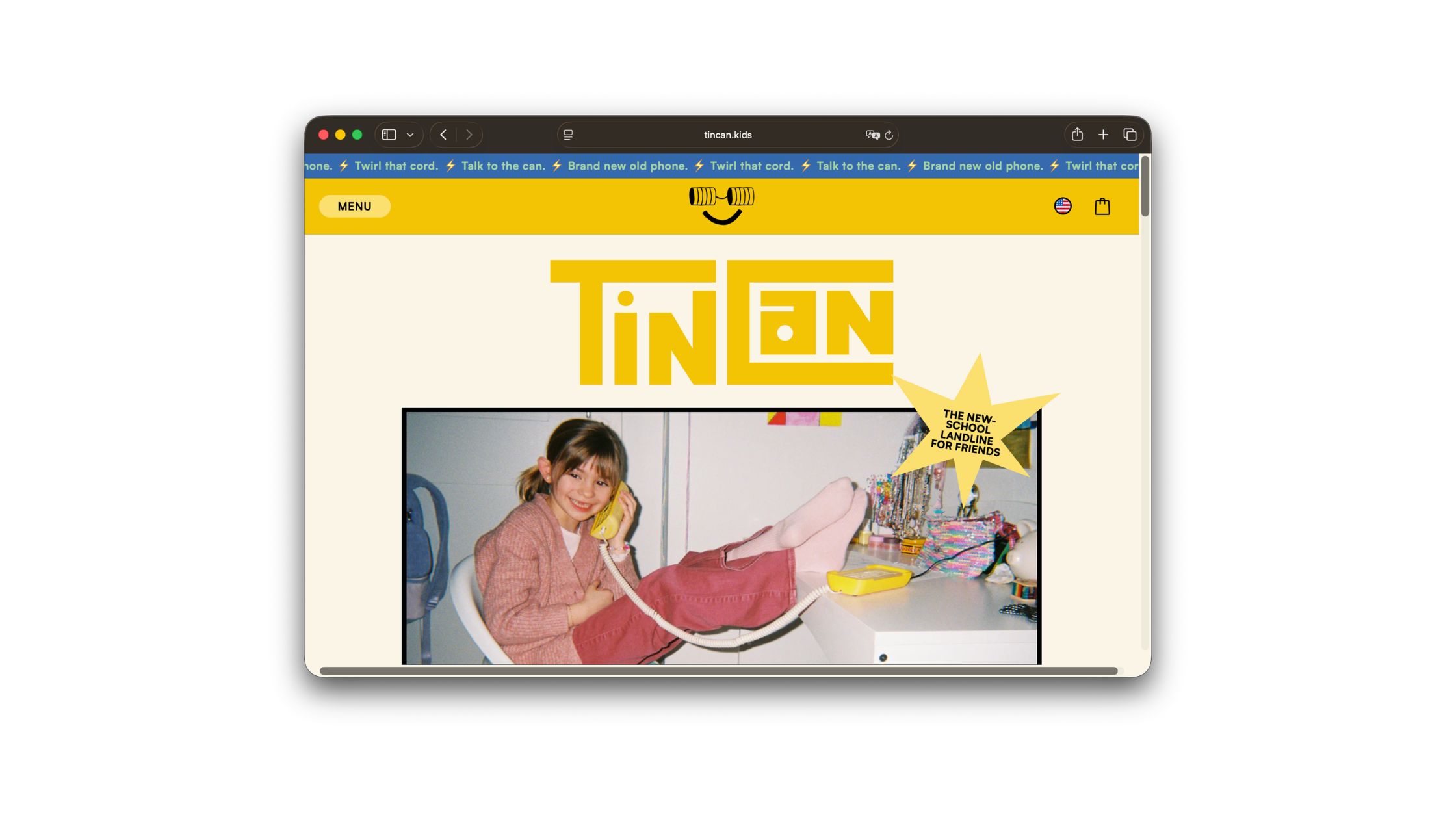
Tin Can sells WiFi-enabled landline phones to parents who aren't ready to hand their kids a smartphone. The product is niche, but the community around "delay smartphones, protect childhood" is organized, active, and increasingly vocal — perfect conditions for a school-based partner program. The affiliate campaign is literally called "School Referral Program" and pays 10% commission, which lines up with how PTAs, Waldorf schools, and parenting newsletters tend to introduce a product: as a recommendation inside a broader conversation, not as a pitch. Ten percent is the right rate when your partners would have recommended you anyway.
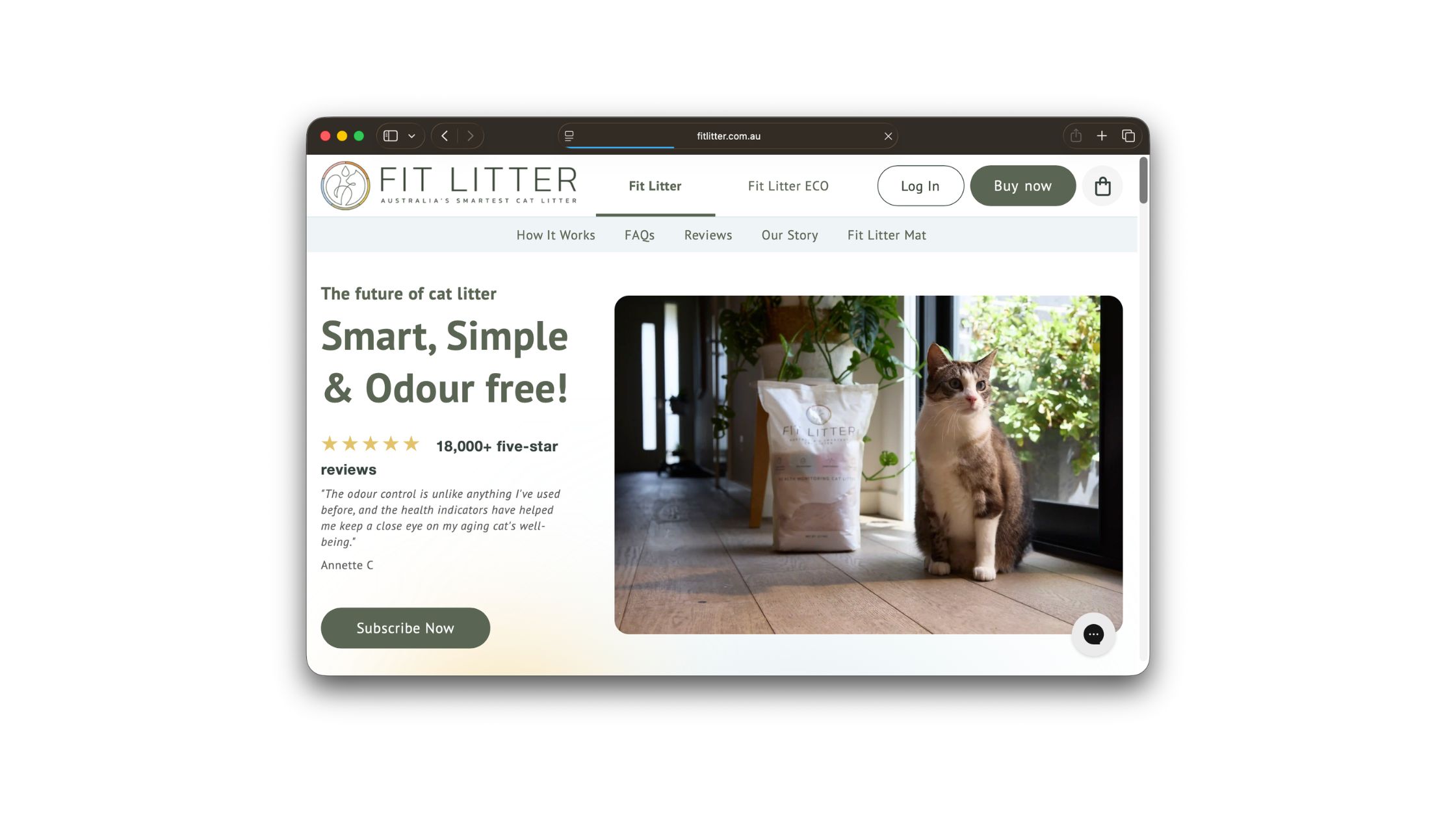
Fit Litter sells color-changing cat litter designed to flag urinary health issues before they become expensive. The product story lands hardest with cat owners who already trust rescues and vets — which is exactly who the brand partners with. Both affiliate campaigns are shelter-affiliated ("Affiliate – Shelter" and "FireFly Animal Rescue"), paying 10% commission back to the organizations that recommend it. The commission is modest on purpose. The point is funding, not marketing spend, and the endorsement value of a rescue isn't something you can outbid.
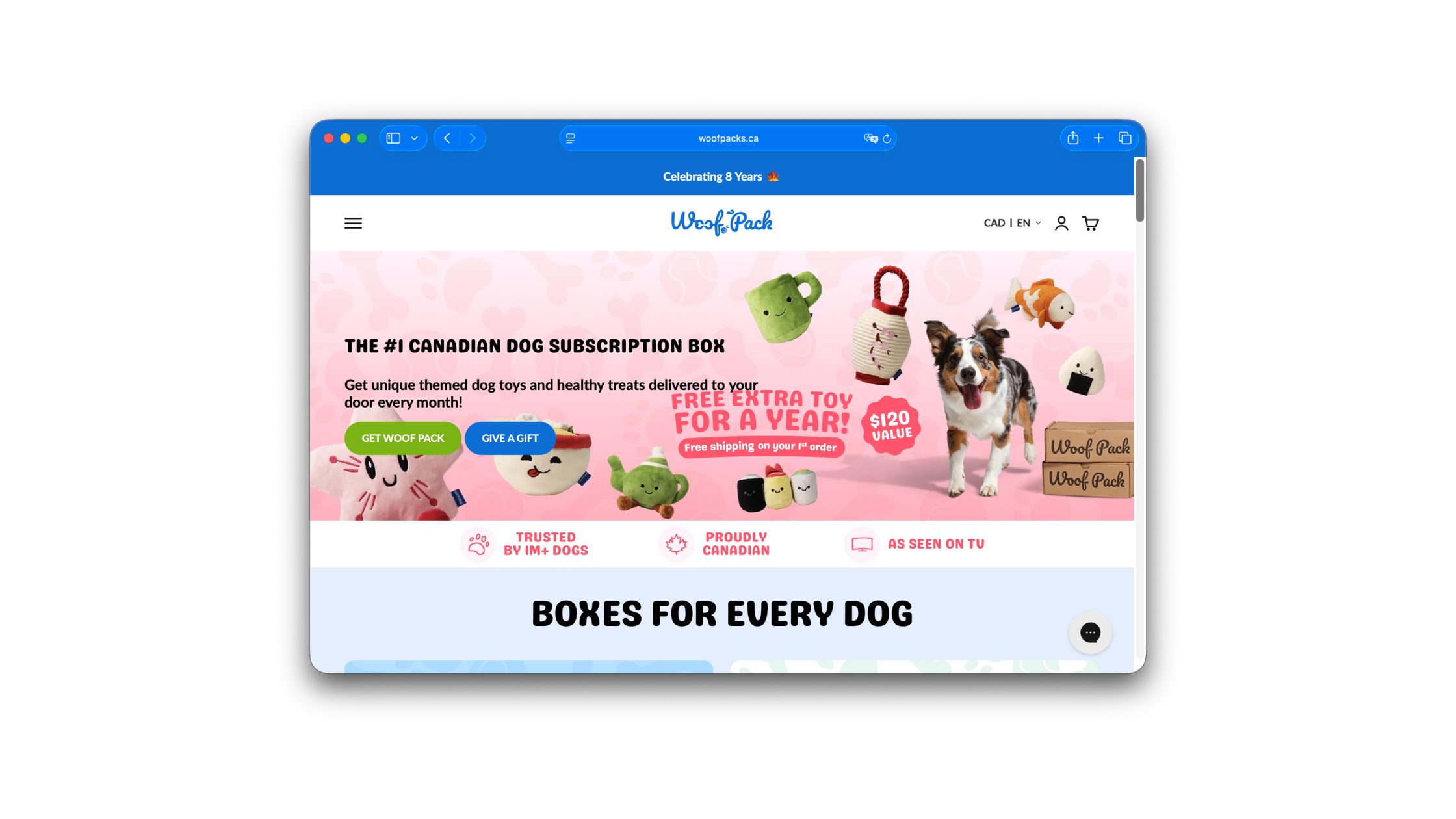
Woof Pack is a Canadian dog subscription box, and like most boxes in this category, its growth problem is less about awareness and more about activation — someone has to see a real subscriber post about it. The "Influencers" affiliate campaign pays a flat $10 in cash per referral, which is deliberately small. Box brands know the dog photo does most of the work, and the commission is there to keep the relationship alive, not to carry it.
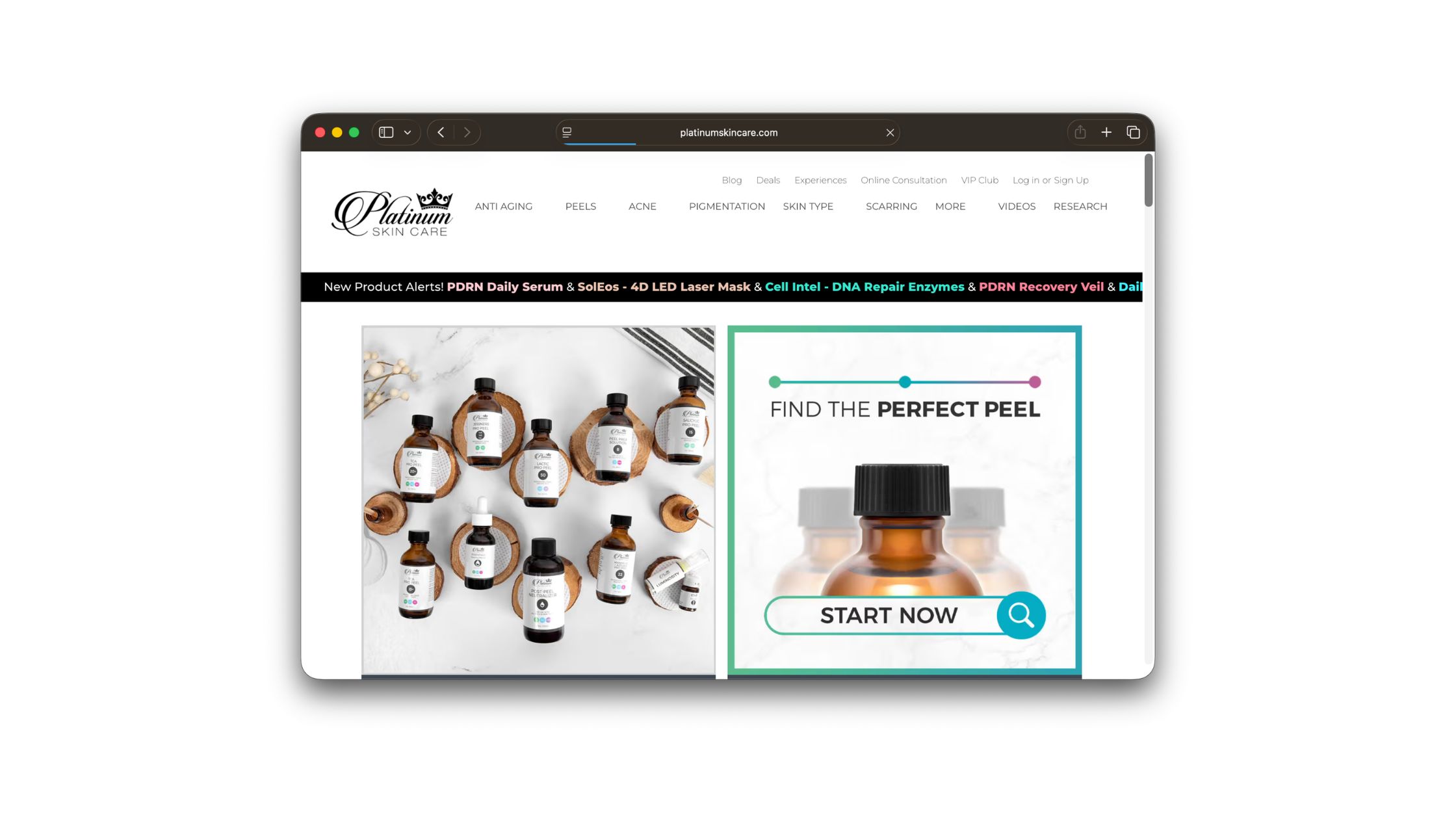
Platinum Skin Care has been in the clinical skincare space long enough to have built affiliate relationships the slow way — through estheticians, clinics, and individual ambassadors who recommend specific products for specific conditions. The affiliate program runs case-by-case rather than on a single published rate, which is unusual in ecommerce but normal in the professional aesthetics world. When your partners are recommending retinoids and chemical peels, the conversation has to be tailored, and so does the payout.
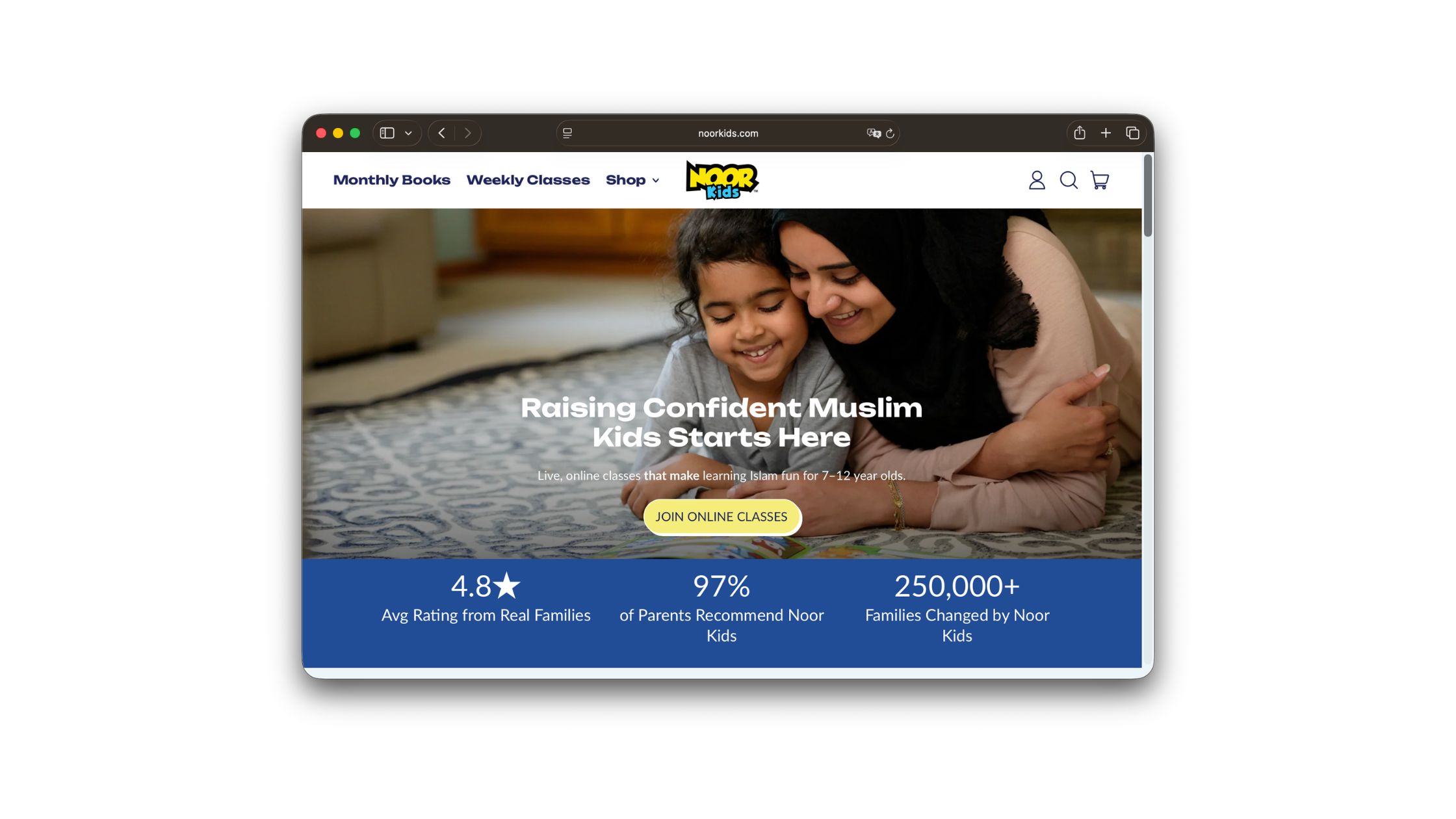
Noor Kids publishes Muslim children's books and learning materials, and its buyers tend to find the brand through parents, educators, and community voices — creators who aren't necessarily monetizing their accounts the way a fashion influencer would. The "Affiliate – Content Creators" program pays a flat $5 cash per sale plus 10% commission on top. The fixed cash covers the partner's effort whether or not the basket is large. The percentage rewards them if it is.
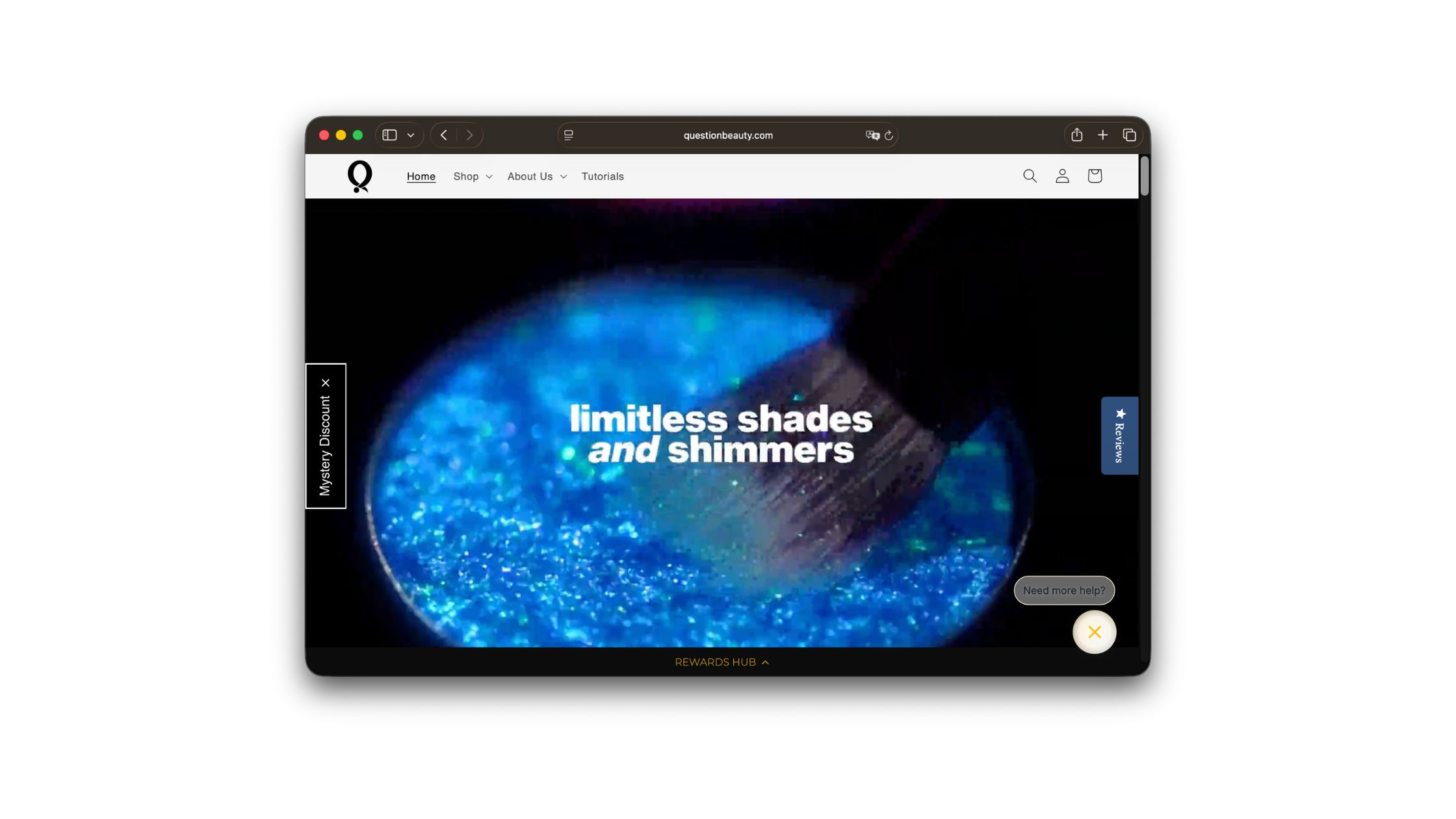
questionbeauty is a New Zealand beauty brand built around a curious, question-the-defaults positioning — the kind of brand creators tend to find because they were already using it. The "Exclusive Affiliate Launch" campaign pays 8% of the friend's purchase plus a free gift, which is a softer rate than most beauty affiliate programs but one that trades cash for product credibility. For a brand in launch mode, getting product into creator hands and paying modestly per sale is often the right order.
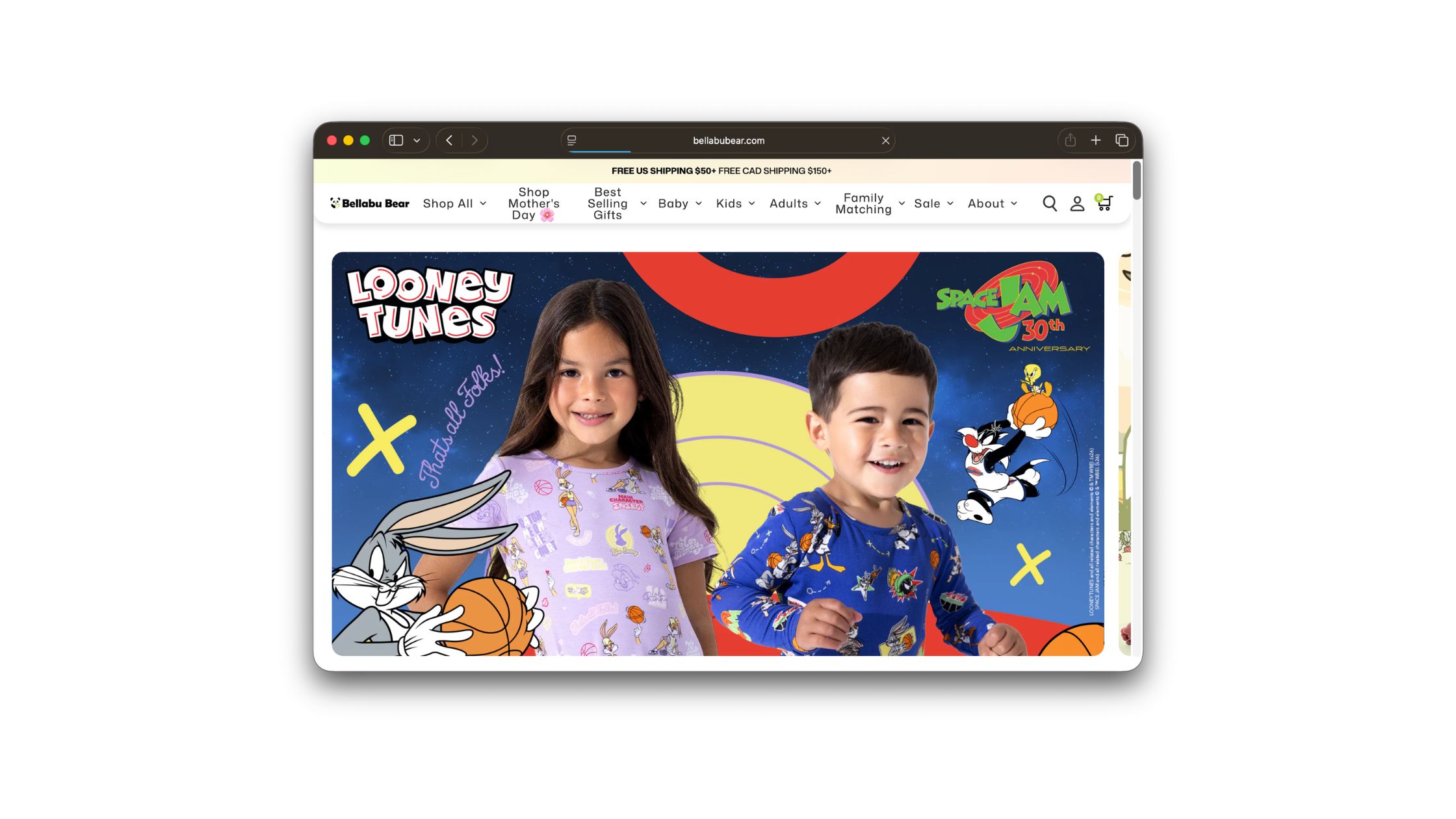
Bellabu Bear sells bamboo kids' apparel and has a TikTok-native audience — parents post about the product, creators style it, and the whole category runs on short-form video. The brand's two affiliate campaigns reflect that split: a general "Exclusive Invitation" program at 10% commission, and a dedicated "TikTok Ambassador Program" paying 30% of the friend's purchase. A 30% rate is high, but on TikTok the sale window closes fast and the content lives only as long as it's scrolling. You pay more per sale because the content doesn't compound.
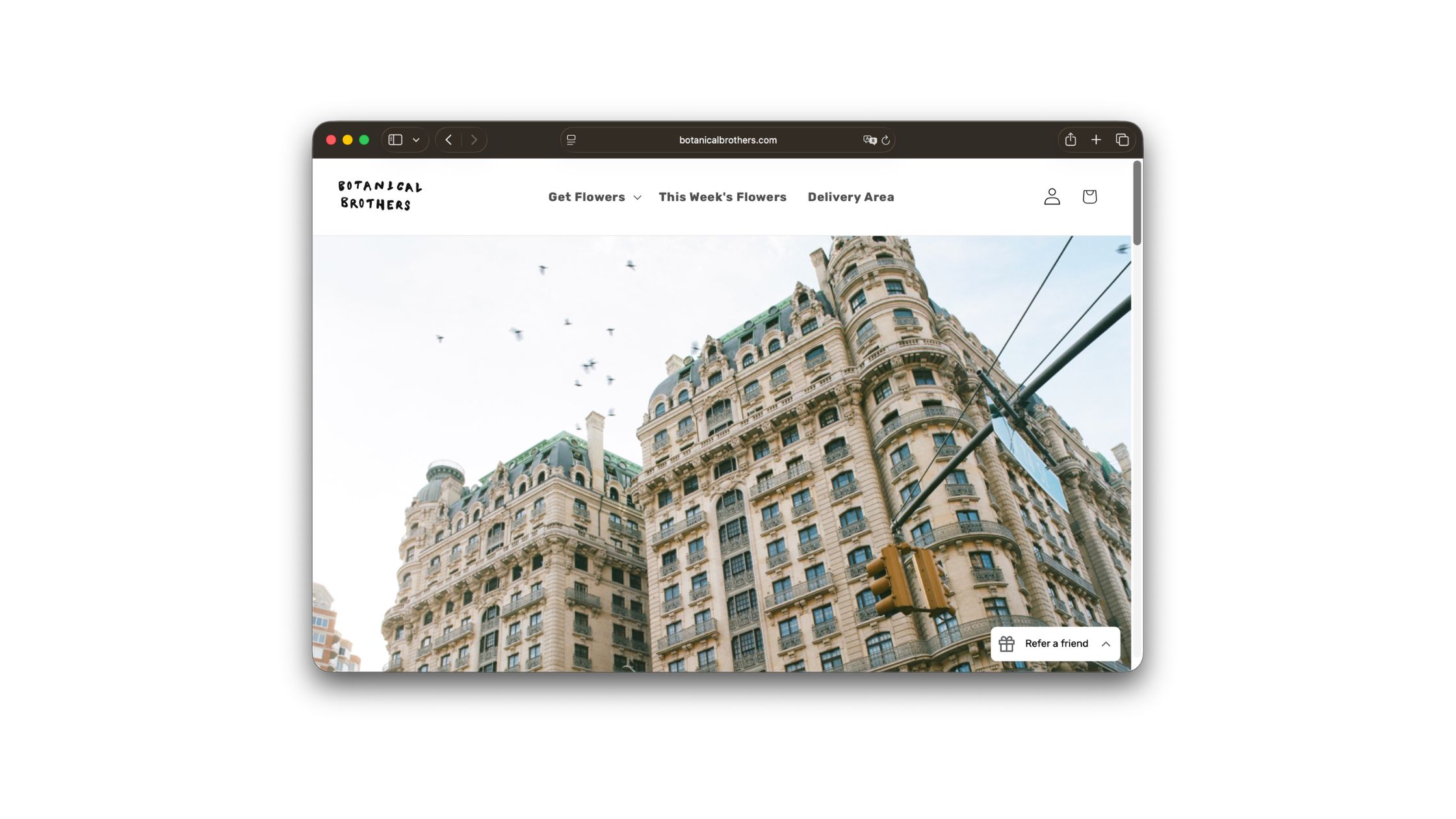
Botanical Brothers sells natural wellness products, and the category has long trained its affiliate partners — bloggers, natural-living creators, podcasters — to expect generous commission. The launch campaign pays 27.5% of the friend's purchase, with a $15 flat option for partners who prefer predictability. The dual structure is worth noting: two different partner types want two different payout logics, and the brand doesn't force a choice.
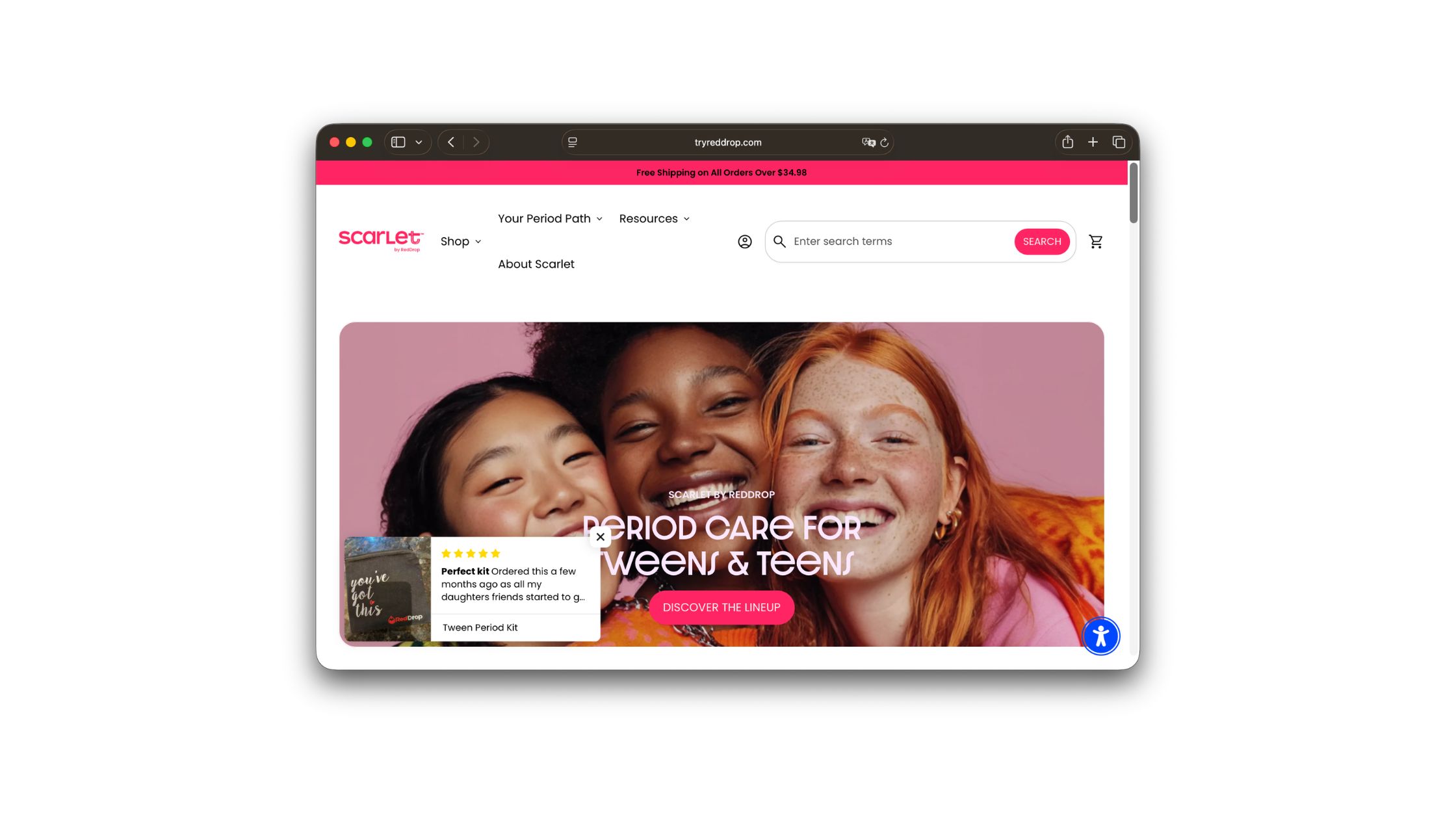
RedDrop makes period care designed for tweens and first-time users, which puts it in a rare category where the primary audience can't buy the product and the secondary audience — mothers, aunts, teachers — isn't reached by the usual beauty-creator playbook. The affiliate program pays a straightforward 18% of the follower's purchase, a rate calibrated for the kind of trusted advisor (a parenting writer, a puberty educator) who earns recommendations through expertise rather than reach.
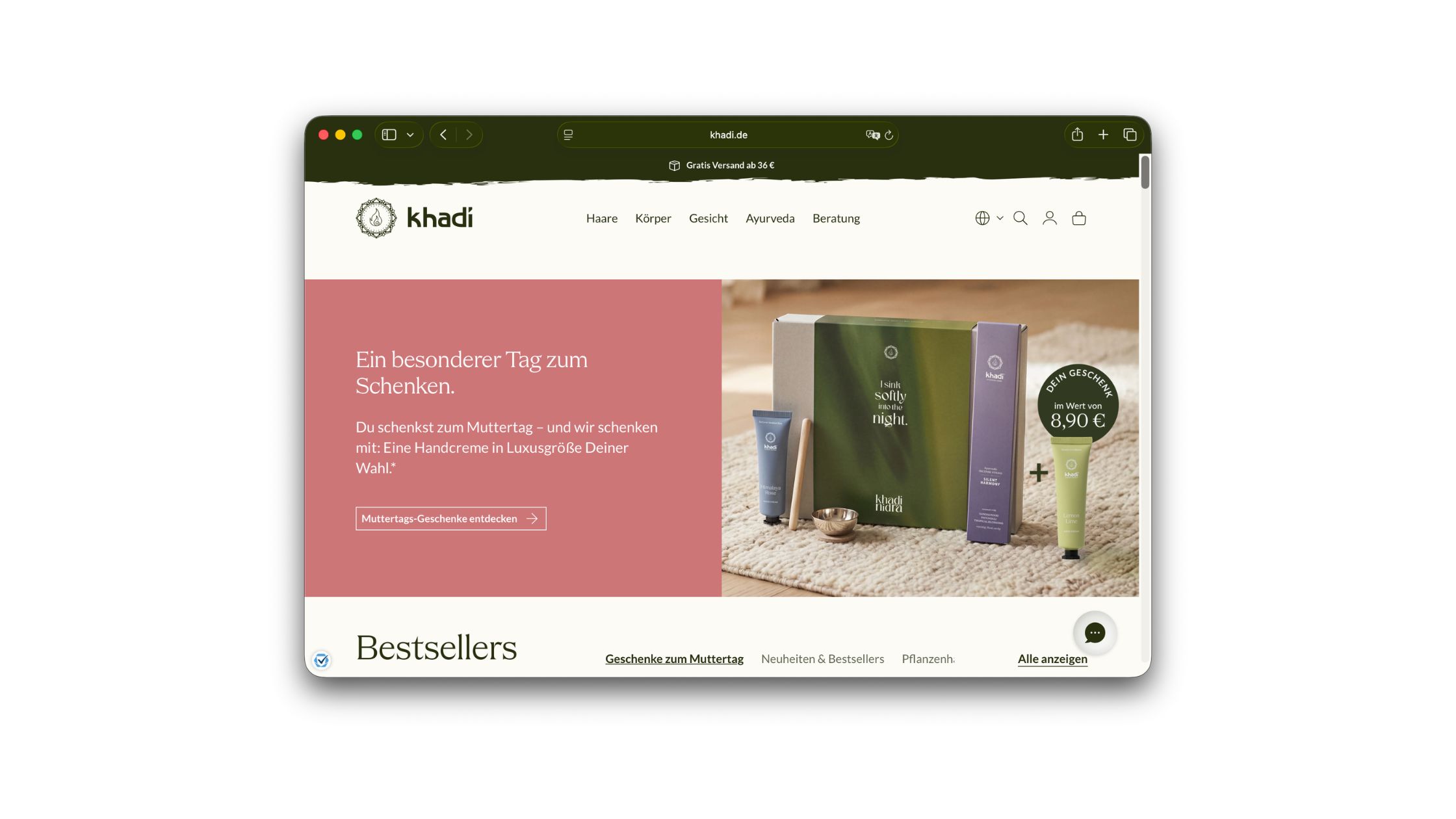
khadi is a German natural hair care brand with a devoted European following, and its partner mix skews toward wellness influencers who care more about ingredient integrity than conversion volume. The 2025 affiliate program pays €5 in cash plus 10% commission per sale, a structure that respects both smaller audiences and larger ones. Cash makes the small sale worth the post. Percentage makes the large one worth a full content piece.
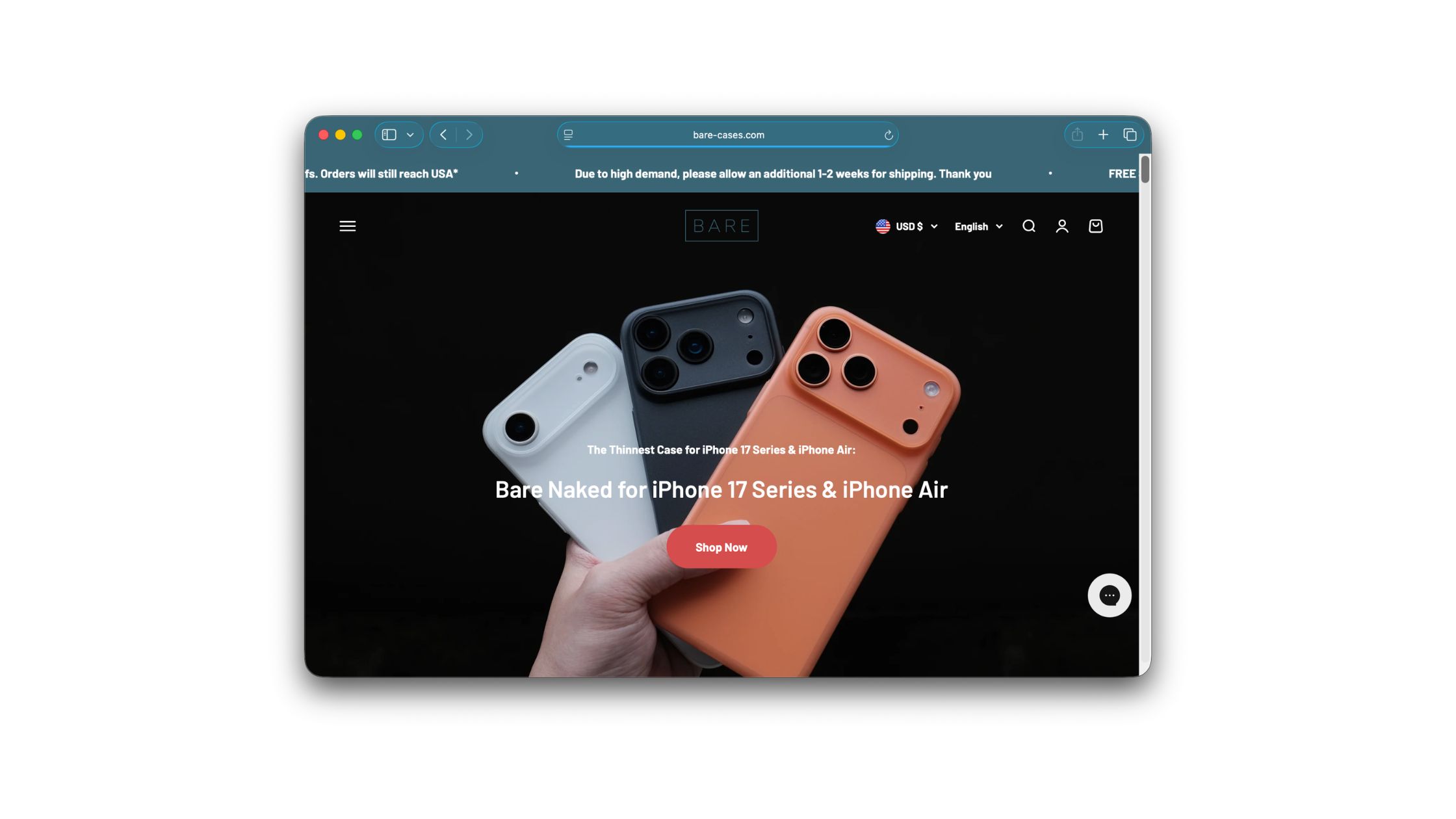
Bare is a Singapore-based brand with two distinct affiliate tiers — a general program at 15% of purchase and a creators' program at 20%. The tiering is how a growing brand in a smaller market expands carefully: the general program opens the door to anyone with an audience, and the creator tier rewards the partners the brand wants to invest in further. Different rates for different levels of trust, clearly signposted.
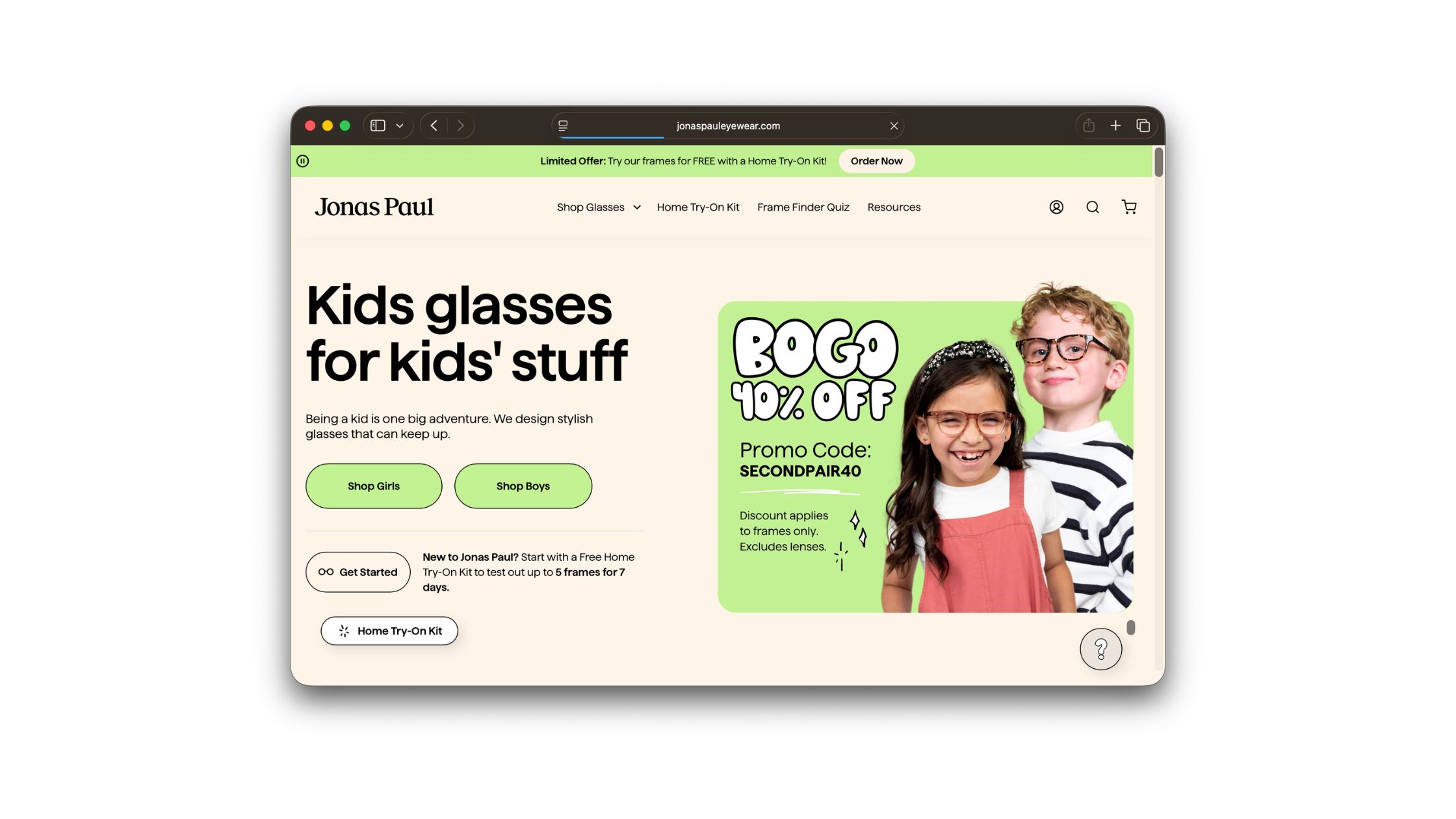
Jonas Paul Eyewear designs prescription glasses for kids, a category where purchase decisions are emotional and parent-to-parent — few products benefit more from a trusted face in the feed. The affiliate campaign runs as a dedicated "Influencer Campaign" at 10% of the friend's purchase. For a considered buy like kids' eyewear, 10% is what pays for the video without distorting how the product gets talked about. You don't want a creator pushing the tenth frame when the second one fit.
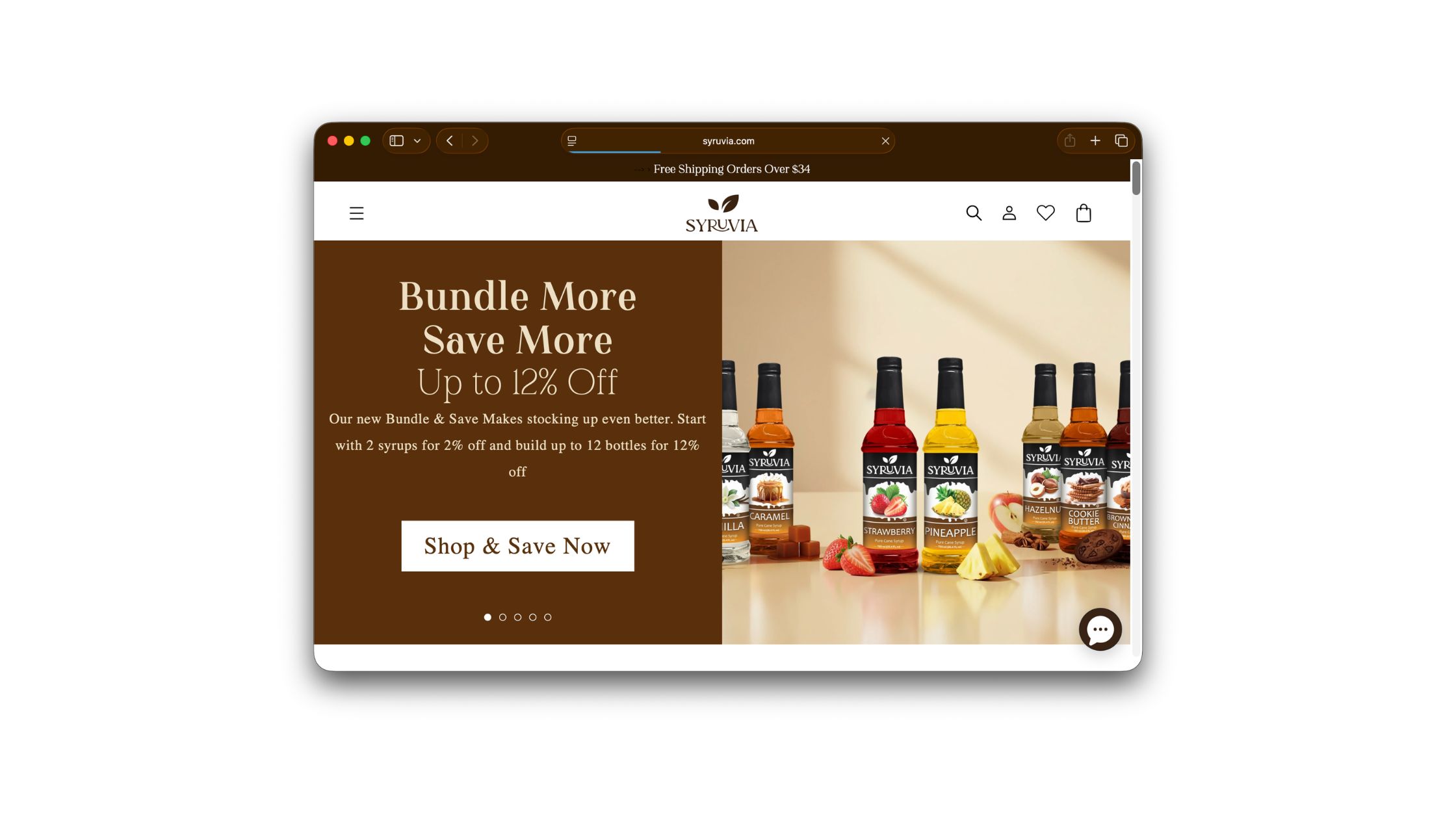
Syruvia makes flavored syrups across coffee, boba, and dessert categories, and its partners range from home baristas on Instagram to café wholesalers to exclusive creator deals. The brand runs three affiliate tracks: a 10% Instagram program, a 10% website-generated program, and a 20% "Exclusive" tier. The structure mirrors how the audience discovers the brand — organic creator posts at one rate, exclusive partnerships at double that. Three doors, three rates, same discipline.
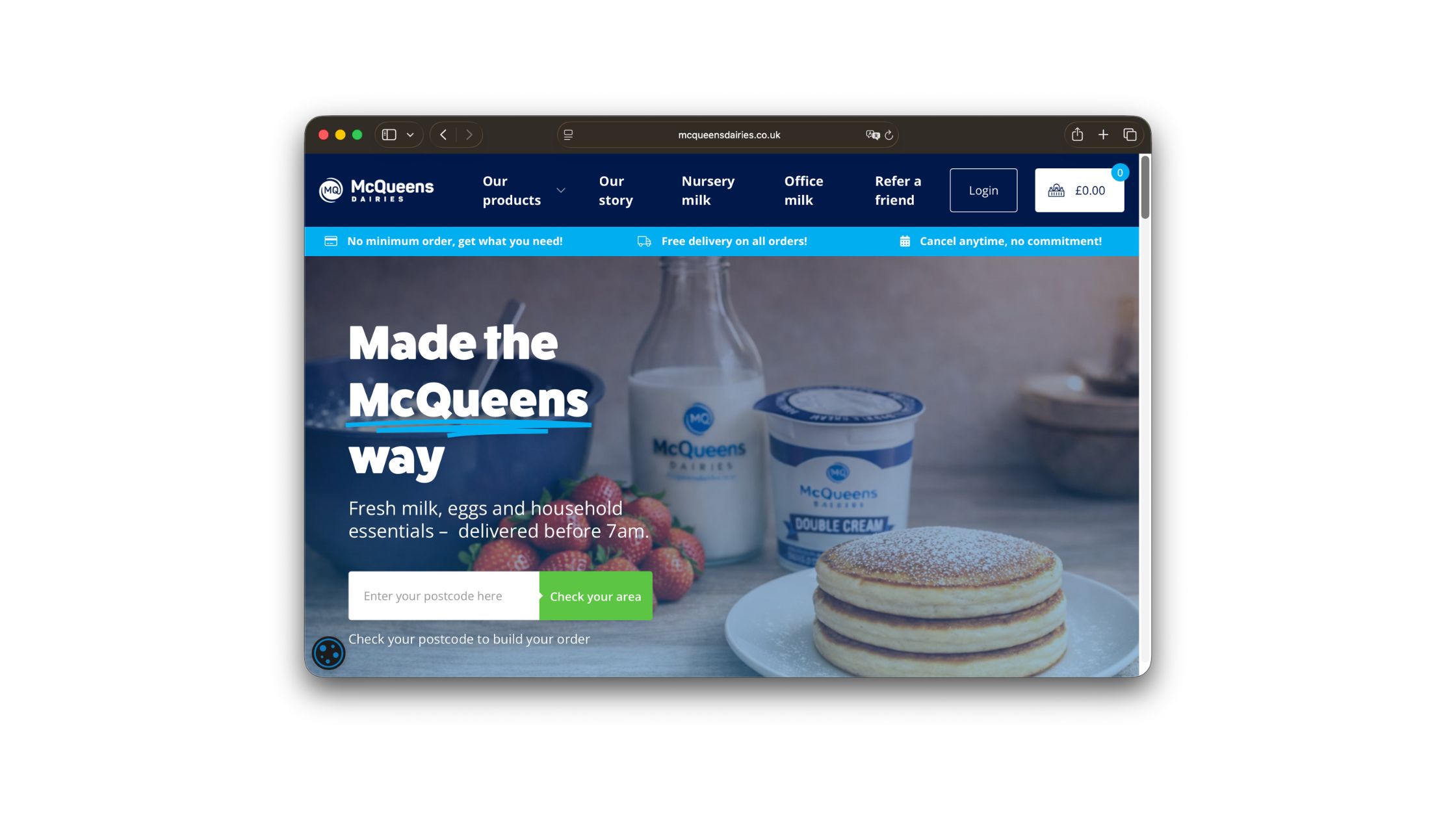
McQueens Dairies is a traditional UK dairy running a modern affiliate program — the kind of brand whose buyers already talk to their neighbors about the milk round. The "Delightful Dairy Referral Program" pays £10 per sale for partners referring their followers, with a 10% commission option on the side. The flat £10 fits the product's price point and recurring nature. A new subscriber is worth roughly the first delivery, and paying it out upfront is often the cleanest way to win partners whose audience trusts them personally.
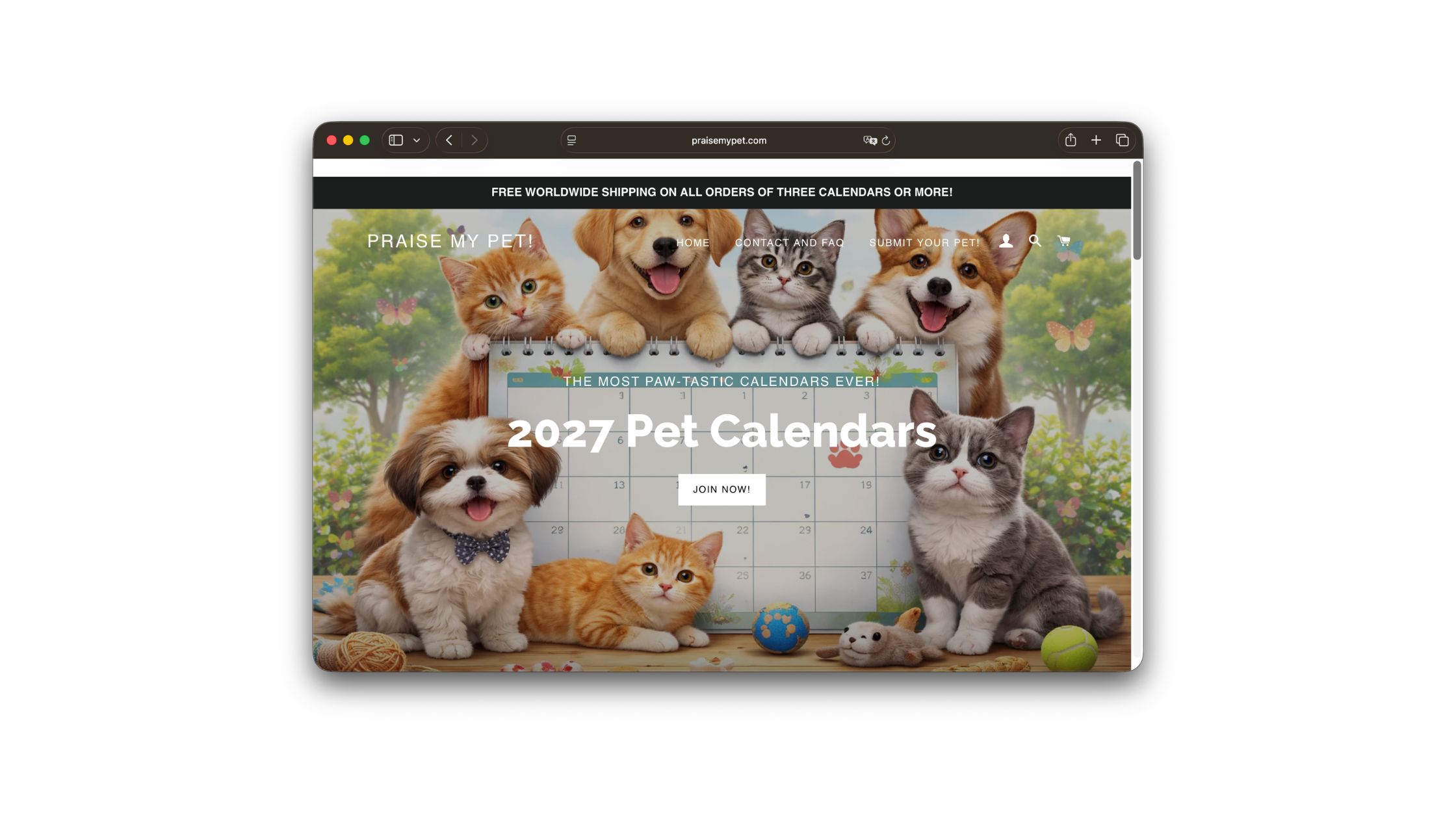
Praise My Pet! creates personalized pet portraits, a gifty category that lives on emotional purchase triggers — a birthday, a loss, a memorial. The brand runs two affiliate streams ("Affiliates" and "Amazing Pets Affiliates"), both at 15% of the friend's purchase. The rate is steady by design. Partners in this category rarely drive predictable volume, but when a post lands on the right owner on the right day, the sale is immediate and the margin is solid.
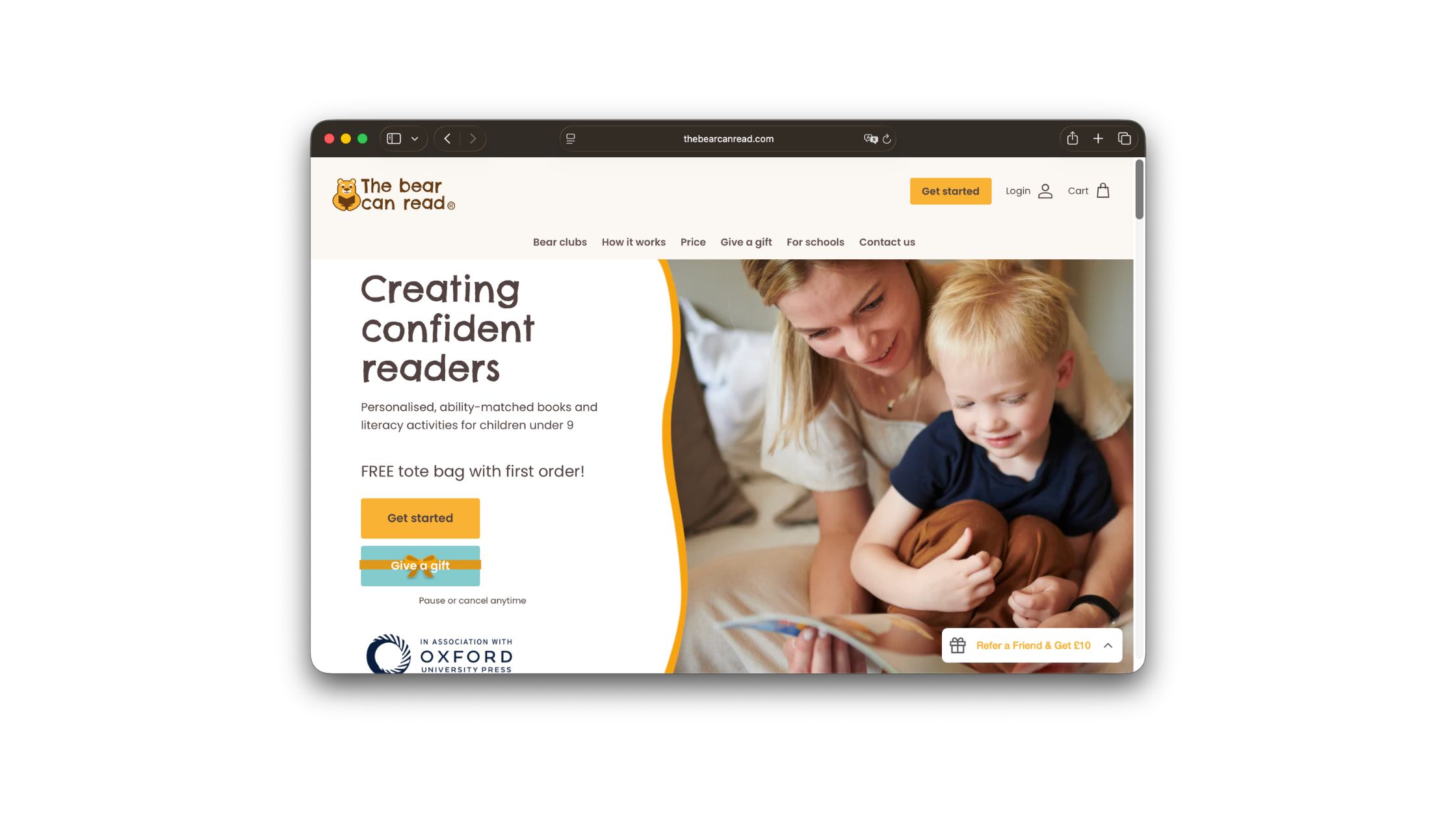
The Bear Can Read is a UK children's reading subscription, and like most parent-facing subscription brands, its partners are parents themselves — bloggers, preschool teachers, mum newsletters. The "TBCR Affiliate" campaign pays a flat £5 per new subscription, a number that looks small until you consider how sticky a reading subscription is for a household with young kids. £5 to acquire a family likely to stay for a year is a rate a brand can afford to pay at volume, and one partners can trust will keep coming.
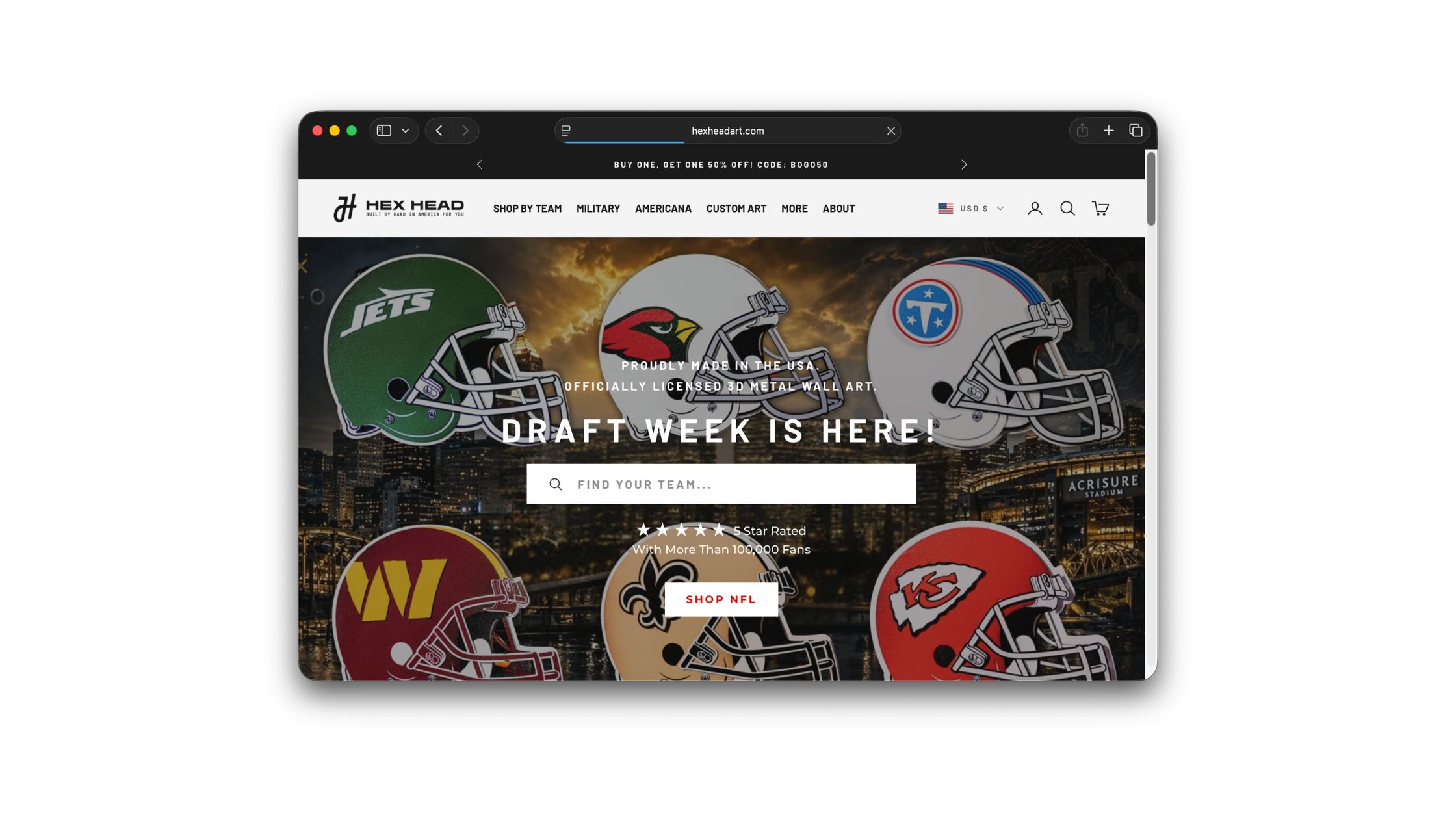
Hex Head Art makes licensed sports team metal wall art, a category where buyers are fiercely identified with their team and partners are often community figures — fan page admins, sports bloggers, local shop owners. The affiliate program pays $20–$50 in store credit depending on the sale, plus 10% commission. The store-credit-plus-cash mix is the tell. Partners in this category usually like the product enough to buy more of it, and letting them earn toward their own collection while also earning cash keeps the relationship warm.
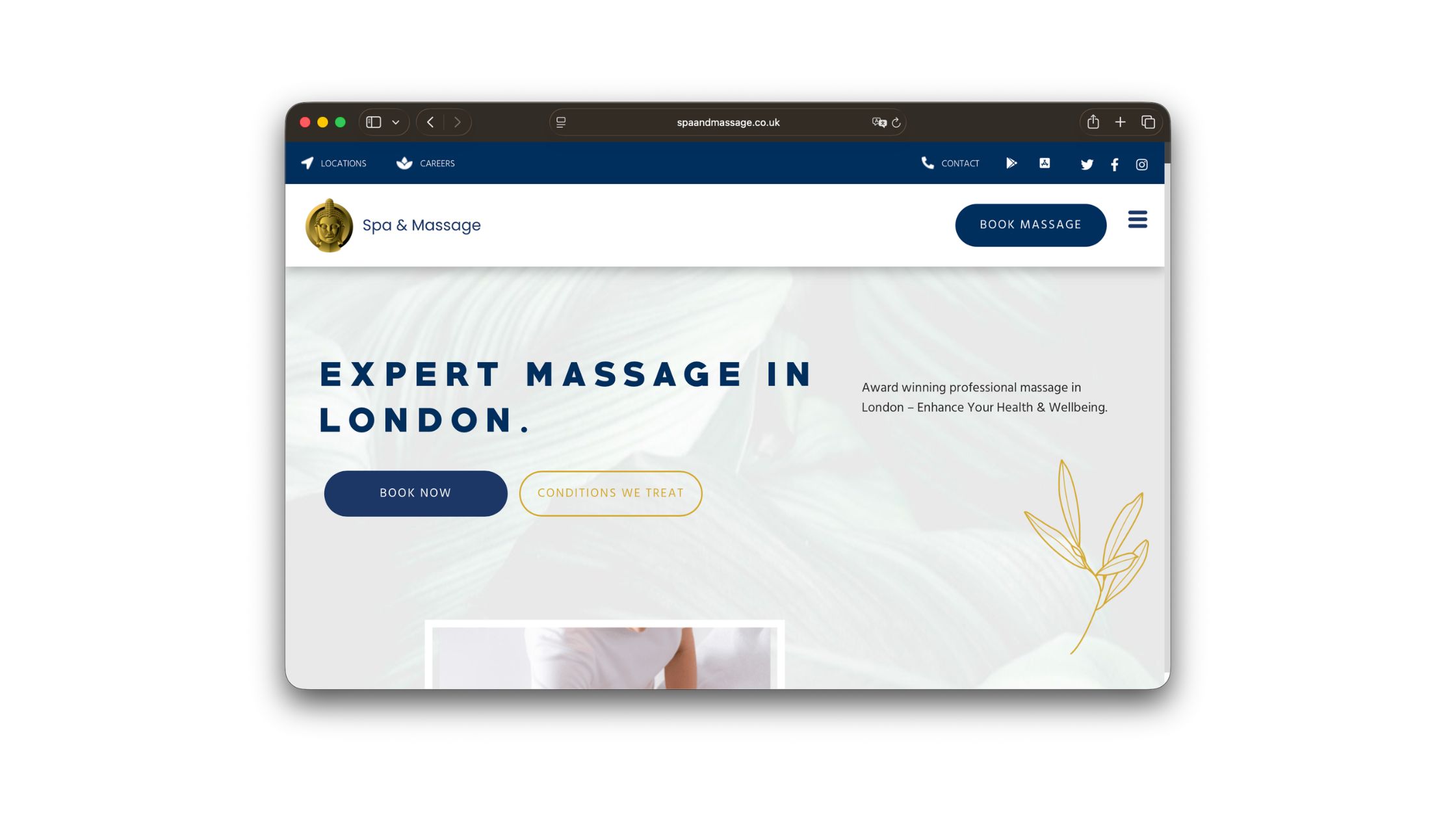
Spa & Massage is a UK spa experience brand — vouchers, treatments, and day packages — which means its affiliate partners are often gift guide publishers, experience bloggers, and corporate-gifting resellers. The "Affiliate 123" program pays £20–£50 cash on a tiered structure, and a separate "Business Collab" program pays £20 cash or 10% commission. Tiered cash makes sense when the order values range widely: a £60 massage and a £400 retreat shouldn't pay the same, and they don't.
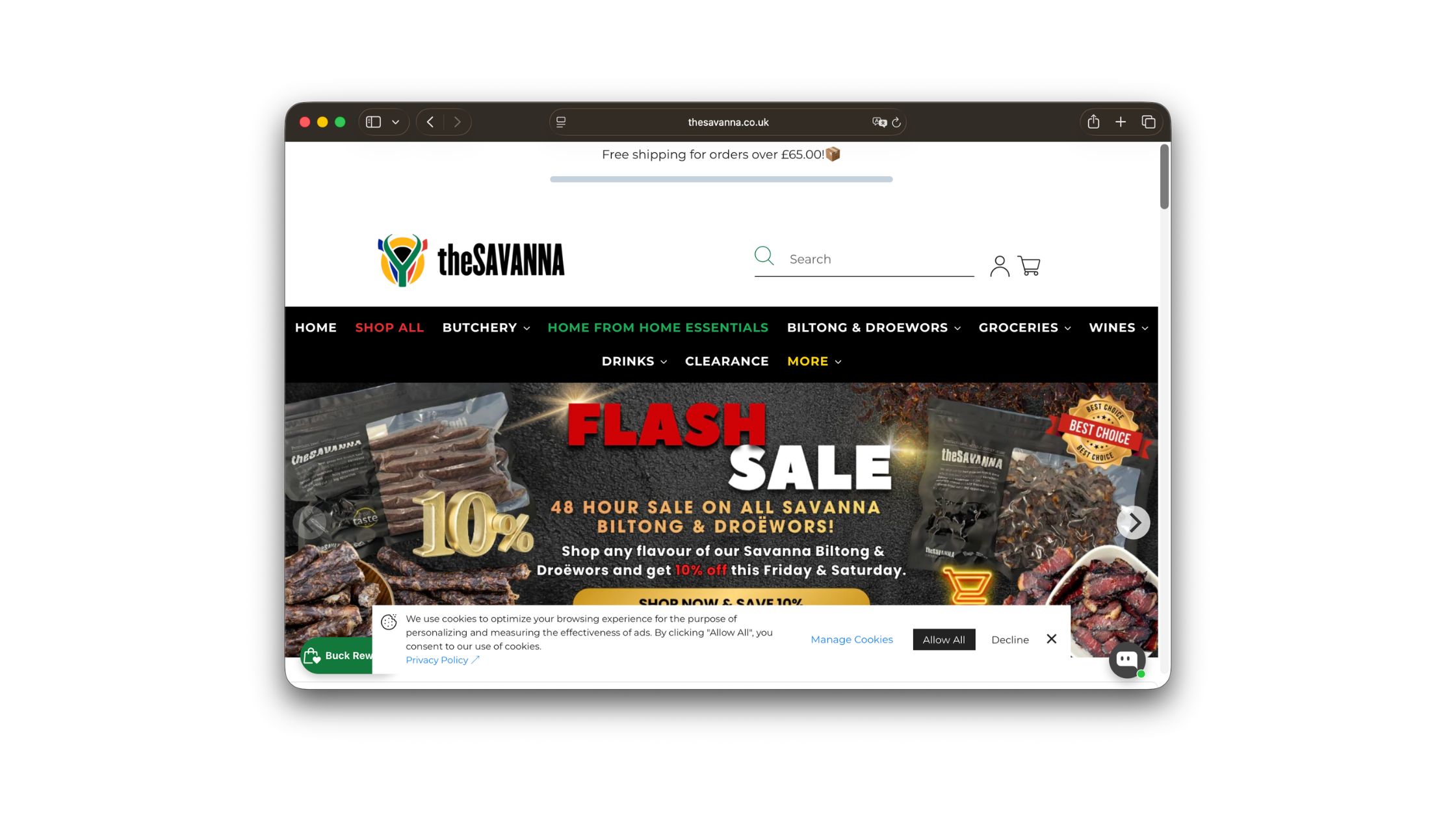
The Savanna runs one of the most campaign-specific affiliate programs on this list — "Savanna x SARugbyOke," tied to South African rugby culture rather than a generic influencer base. The campaign pays 8% of the follower's purchase. It's a lower rate than most programs here, but it buys access to a community where the brand already has standing. Cultural fit is doing the heavy lifting, and the commission is covering logistics.
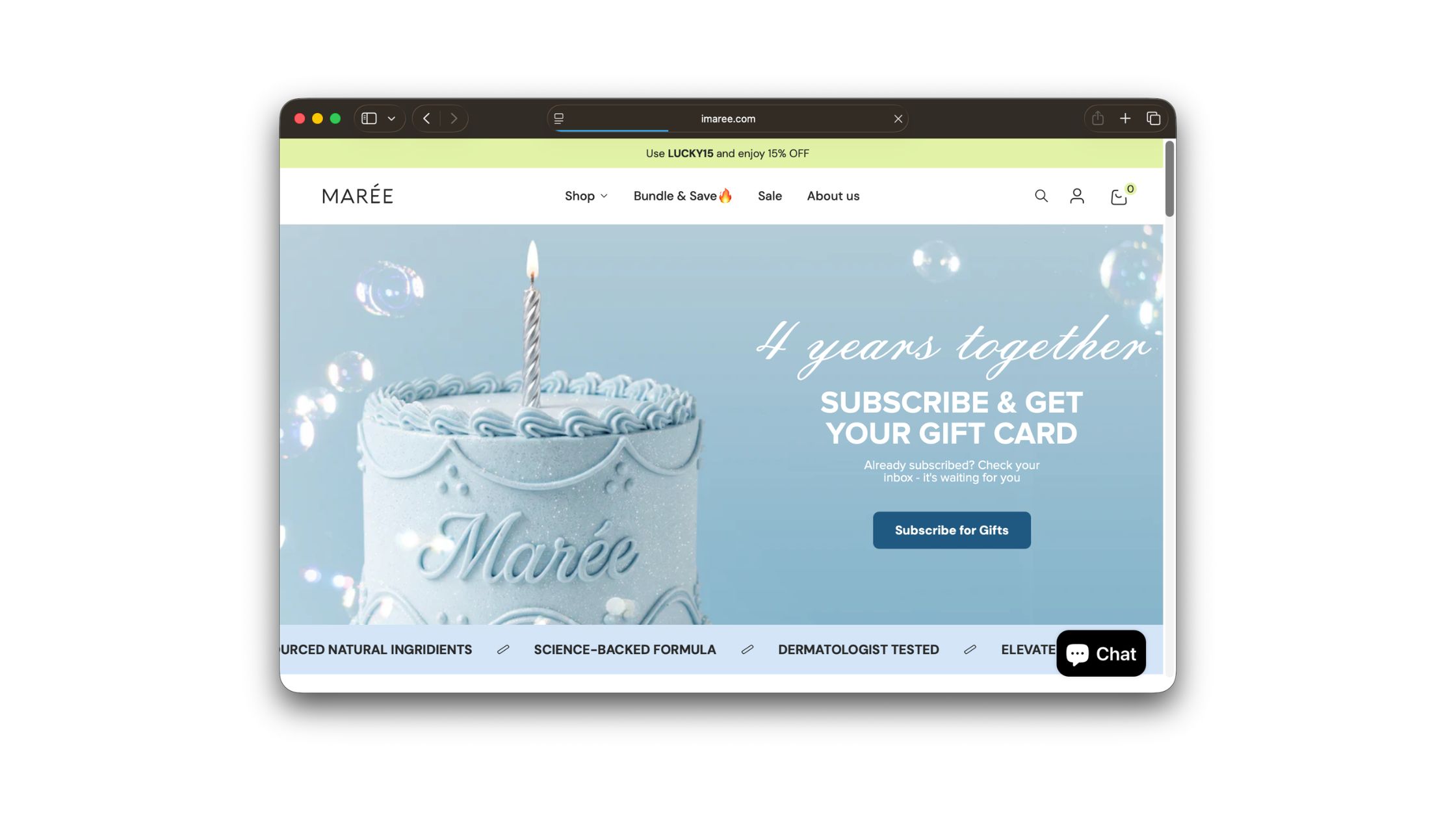
Maree is a UK beauty brand whose glycolic acid pads have moved more than a million units, and its affiliate structure is unusual: the headline "Earn with Every Sale" campaign pays 60% of the friend's purchase, with a secondary Beauty Affiliate Program at 15% on every sale. Sixty percent is aggressive, and it says something specific — the brand is willing to trade first-sale margin for trial, counting on the product to earn the second purchase on its own. The 15% tier is what funds the ongoing creator relationships once the trust is established.
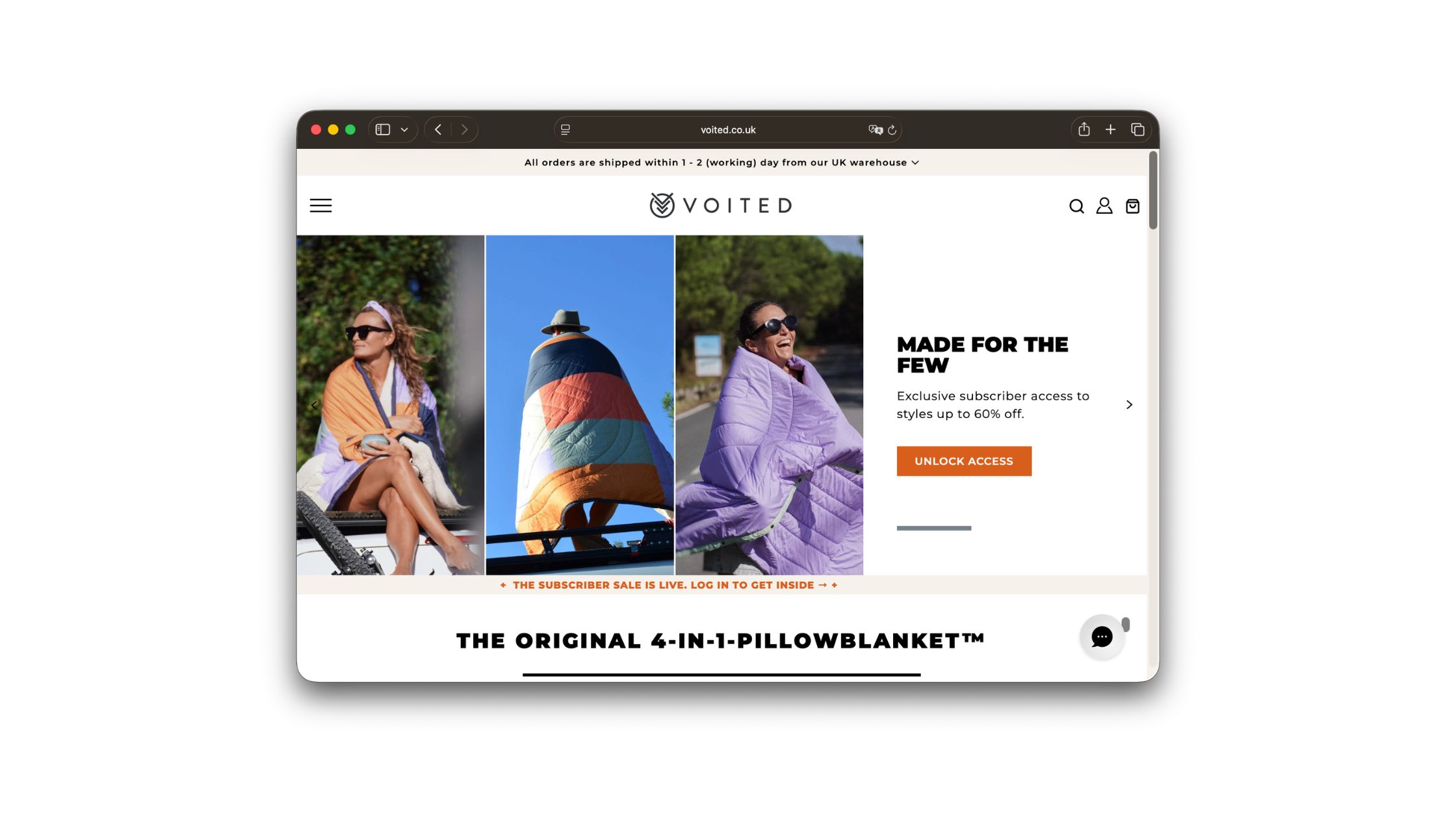
VOITED makes puffy blankets and outdoor gear for the camping and van-life crowd, and its affiliate program is the most architecturally complete one on this list. Four regional stores — DE, UK, EU, and FR — run identical mirrored programs, each with three tiers: an invitation-only Ambassador Circle at 15% of purchase, a performance-gated Performance Partner also at 15%, and an open-entry Explorer Program at 10%. The tier names do the segmenting on their own — anyone reading the program page can tell where they sit. Ten percent welcomes the entry-level creator, 15% rewards the partner who earned their way in. Different doors, same house.
Scan the list and the shape gets obvious. A few things keep repeating.
First, the commission structure is always a reflection of who's doing the selling. Customers referring friends don't earn the same way creators do, and podcasters don't earn the same way rescue shelters do. The brands above picked a partner and built backward from there.
Second, flat cash shows up wherever the lifetime value is predictable, percentage shows up wherever it's variable, and tiered structures show up wherever the audience is mixed. Subscription brands lean flat. Beauty brands lean percentage. Brands with multiple kinds of partners lean tiered. It's almost mechanical once you see it.
Third, higher rates don't automatically win. The 8% programs on this list work for the same reason the 60% ones do — both picked a rate that fairly covered the effort their partners were actually putting in. A number is only generous in context.
If you're setting up an affiliate program, start by naming the partner, not the rate. If you're auditing an existing one, the same question — who's doing the selling, and is our math fair to them — will tell you more than any benchmark report.
If you're looking for the software to run either one, ReferralCandy handles affiliate and referral programs side by side. Most of the brands on this list are ReferralCandy merchants.


Raúl Galera is the Growth Lead at ReferralCandy, where they’ve helped 30,000+ eCommerce brands drive sales through referrals and word-of-mouth marketing. Over the past 8+ years, Raúl has worked hands-on with DTC merchants of all sizes (from scrappy Shopify startups to household names) helping them turn happy customers into revenue-driving advocates. Raúl’s been featured on dozens of top eCommerce podcasts, contributed to leading industry publications, and regularly speaks about customer acquisition, retention, and brand growth at industry events.
Grow your sales at a ridiculously
lower CAC.