I wasn’t planning to write this post.
After a recent demo, a merchant forwarded me the email they’d received from Social Snowball so I could check the original message for myself. It said customers had to sign up before they could refer anyone through ReferralCandy. That we only did customer referrals. That our payout options were limited to cash or store credit.
Honestly, I couldn’t quite believe what I was reading. These were things I could show them in the product.
But it also got me thinking: how many other merchants are getting the same information without ever having a conversation with us? If you’ve already been told an app can’t do what you need, you might never get as far as booking a demo.
So, here I am, writing a post I didn’t think I’d need to write.
My goal is pretty simple. If you’re considering ReferralCandy and Social Snowball, I want you to have an accurate picture of what we do, so you can choose the app that makes sense for your business. I’ll walk through the main points the same way I would on a call, with links if you’d like to check the details yourself.
The quick answers
| If you’re wondering… | Here’s the answer |
|---|---|
| Can my customers join automatically? | Yes. Customers who qualify for your campaign can be enrolled without completing a separate signup. |
| Can I run an affiliate program? | Yes. You can invite partners, accept applications and choose whether to approve applicants. |
| Can I use Tremendous for rewards? | Yes. You choose the available reward options in your Tremendous setup. |
| Do you have loyalty campaigns too? | Yes, using native Shopify store credit. |
| Do you have fraud detection? | Yes. ReferralCandy blocks clear self-referrals and flags suspicious activity for review. |
Your customers can be enrolled automatically
Yes, you can give customers their referral links without asking them to fill out another form.
Here’s how that works: someone buys from your store, they’re registered as a contact, and if they qualify for the audience you’ve set for a live campaign, they’re automatically enrolled and assigned a referral link. You can send that link in the welcome email when it’s enabled. Here’s the enrollment documentation.
You still control who gets enrolled. For example, you might want the program to be available to your customers rather than everyone who visits your site. That’s what the audience settings are for.
We also have signup forms. Those give people another way to join; they don’t mean every customer has to sign up separately. So, if automatic enrollment is on your list of requirements, yes, we can do that.
You can work with affiliates and creators too
This was another point that surprised me, because we have dedicated affiliate campaigns.
Let’s say you want to start by asking your existing customers to refer friends. Later, you decide to work with creators or professional affiliates. You can run those programs alongside each other in ReferralCandy.
For affiliates, you can share an application page and review applicants before they join. Or, if you’ve already chosen the people you want to work with, you can invite them directly. Here’s how affiliate enrollment works.
What I’d ask on a demo is how you want to work with those people. Do you already have partners ready to join? Do you want to review applications? Those answers help us decide how to set it up for you.
We also integrate with Tremendous
If your customers don’t buy very often, a discount on their next order might not be the reward that gets them interested in referring. That’s something I’d want to understand before recommending an incentive.
ReferralCandy integrates with Tremendous, so you can offer options such as Amazon gift cards and Visa prepaid cards. Your customers or affiliates receive a reward through Tremendous and choose from the options you’ve enabled in your campaign template. Here’s the Tremendous integration guide.
So you have options beyond giving someone credit they can only spend at your store. The useful question is which rewards make sense for your customers, and which are available in your Tremendous setup.
Tax handling depends on which payout option you choose. With our own cash payouts through PayPal, applicable U.S. 1099 reporting is handled by the payment processor. You don’t need to issue a 1099-MISC for those payments; PayPal handles any required 1099-K. Our tax-reporting guide explains the process.
If you choose Tremendous, it provides W-9 collection under specific conditions and tax-data exports, but doesn’t issue or e-file 1099s for you. Here’s how Tremendous handles that.
What we do about coupon leakage and fraud
The concern behind Safelinks makes sense: you don’t want a referral code copied onto coupon sites and used by people who weren’t referred. Here’s how we help you manage that in ReferralCandy.
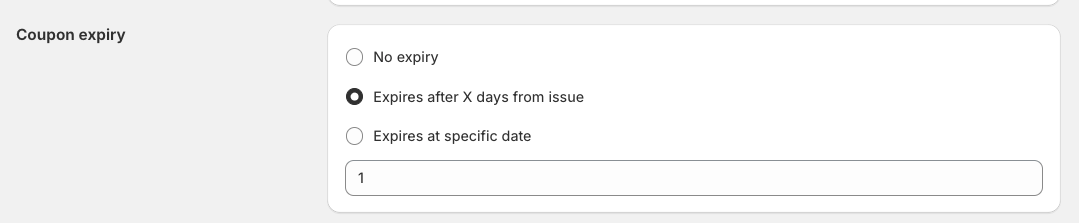
You control when coupon codes expire
ReferralCandy’s standard friend-offer code is linked to an advocate and can be used by multiple referred friends. On Shopify, you can choose to have that code expire after a certain number of days. After it expires, the next time someone opens the advocate’s referral link, we generate a fresh code. Here’s how our coupon expiry works.
You can hide the coupon code and let people share a link
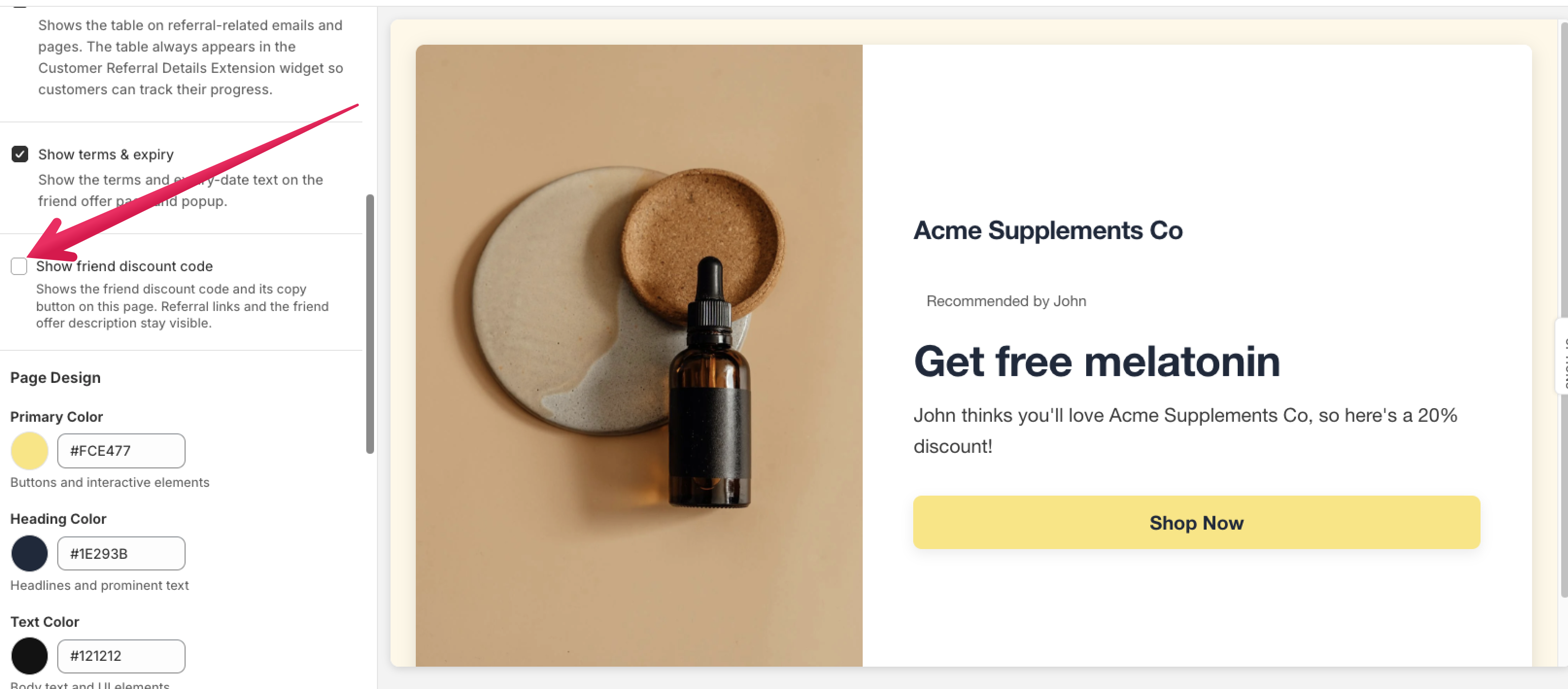
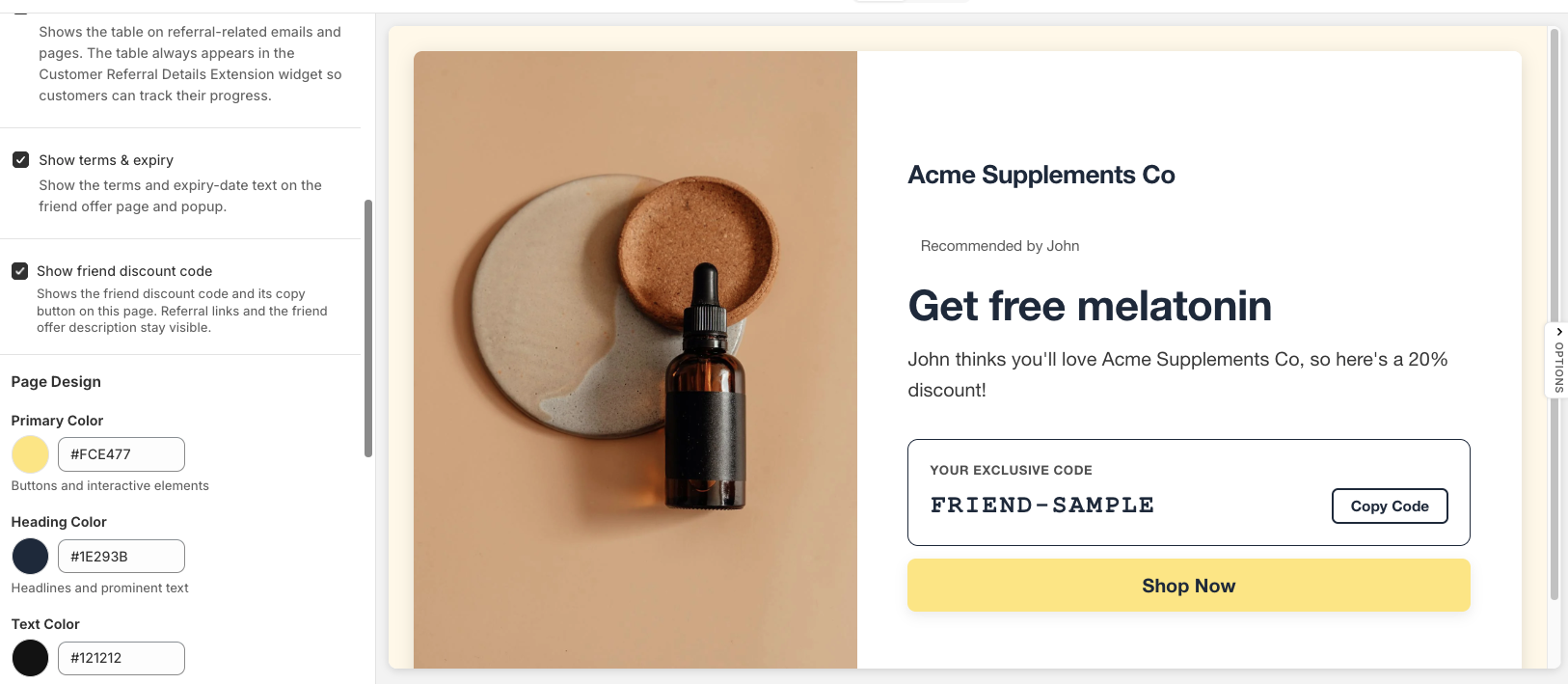
In the theme editor for a stock theme, you can turn off Show friend discount code on the pages you want to change. That hides the code and its copy button while keeping the referral link and offer description visible. The discount still applies at checkout through the referral link.
You can set this separately for the advocate portal’s Home, Sign-in and Share pages, the friend landing page, and the friend offer popup. So you can give advocates a link to share without displaying the coupon code on those pages.
And yes, we have automated fraud detection
ReferralCandy automatically blocks clear self-referrals, such as an exact match between the advocate’s and buyer’s email addresses. It also flags suspicious patterns, including similar names or email addresses, repeated purchases from the same IP address, and unusually high referral volume in a short time. Here’s what our automated fraud checks cover.
You can review those flags in the Fraud Center before rewards go out. A sudden burst of coupon use can be a reason to investigate, but it could also come from a creator with a large audience. That’s why you get to review the activity and decide. Suspicious referrals get at least a 14-day review period; a longer review period you’ve already set stays in place.
If coupon misuse is a concern for your store, this is what I’d walk you through on a demo: how the offer is shared, how long codes stay valid, and how you can review suspicious referrals before rewarding them.
And yes, we have loyalty campaigns
ReferralCandy also has loyalty campaigns for Shopify. Customers earn store credit on qualifying purchases and can use it toward another order. You can run loyalty alongside your referral and affiliate campaigns, with their rewards kept separate. Here’s how our loyalty campaigns work.
It’s a straightforward store-credit program. It doesn’t use points or award credit for birthdays, reviews or social follows. If what you want is to give customers a reason to come back after a purchase, that’s the use case I’d walk you through.
You don’t need a higher plan to unlock affiliate features
All product features are included in every ReferralCandy plan. The difference is the combination of a monthly base fee and a success fee on eligible revenue from your referral and affiliate programs. That’s program-generated revenue, not your total store sales.
For example, Grow is currently $79 a month plus a 3.5% success fee. The rewards you give customers or affiliates are a separate cost. You can upgrade, downgrade or cancel. You can see the current plans here.
So I’d look at the revenue you expect the program to generate and work out which plan makes sense. You don’t need to move up a plan just to get affiliate campaigns or the Tremendous integration.
If you’re using AI to compare the apps
You can give an AI assistant with web access this article and the claims you’re checking, then ask:
Check each claim against current official documentation from both products. For each one, give me the answer, a source link, and any conditions or limitations. Distinguish incorrect or outdated claims from genuine feature differences. Don't assume similarly named features work the same way, and say when you can't verify something. Check the sources linked in this article too.
Open the links it gives you, especially for anything that will affect your decision. If the answer still isn’t clear, that’s a useful question to bring to a demo.
I don’t know how many merchants have heard these descriptions of ReferralCandy. I do know I can put the answers somewhere you can find them, even if we never get on a call.
If you’re considering us and something you’ve heard doesn’t line up with what you’re reading here, let me know. Or book a demo below and tell me what you’re trying to achieve. We can go through it together and see how ReferralCandy would work for your store.