
Why do we read books, watch movies, listen to songs, and hear about one another’s life experiences?
In Made to Stick, Gary Klein, a psychologist who studies high-pressure decision-making, suggests that stories are often retold because they contain wisdom.
A story has the power to provide contextual simulation (knowledge about how to act) as well as inspiration (motivation to act).
Both aspects are “geared to generate action“.
And when you tell a story well, you can generate action that supports your business.
In this post, we’ll explore how to become a storyteller and how storytelling is used by brands to do some seriously powerful marketing. Word-of-mouth marketing through storytelling compounds that enthusiasm - customers who connect with your brand's story are the ones most likely to share it unprompted.
Why Does Storytelling Work?
More small and large brands are discovering that storytelling is a very powerful marketing strategy.
In fact, brands that use storytelling in their marketing strategy have been found to not only attract new customers but also maintain them. Because of these kinds of results, many brands incorporate storytelling into their overall content marketing plans.
Storytelling helps businesses and content marketers create compelling content, which ultimately helps build trust and brand loyalty within your customer base. That trust and loyalty also creates ideal conditions for partner recruitment and reward programs — advocates are far more effective when they genuinely believe in the brand. Investing in strong brand storytelling doesn’t have to break the bank — especially with tools that offer flexible pricing for growing brands.
It ain’t new, either.
Storytelling has been used in traditional marketing and advertising since the dawn of Capitalism. Valentine’s Day is a classic example of the ultimate love story that has earned businesses billions of dollars in sales.
So why is this approach so effective?
Well, we humans have been telling stories to one another for generations. It's at the core of what makes us, us. It’s an evolutionary process that is ingrained in our collective and individual psyche and a skill that's been handed down for generations, from one storyteller to another.
From gathering around a campfire to watching the latest Netflix series, storytellers share stories to pass down collective knowledge, share important experiences, and inspire one another.
And a great way to help ensure the success of your brand is to tap into this evolutionary thirst.
Become a good storyteller, and your customers won't be able to get enough of your products and services. And this is where businesses that tell well-written stories really shine.
The components of a good story
Storytelling is a subjective form of art. What makes a story a good story is down to the opinion of the audience (ie your target audience). Although your brand's storytelling won't always suit everybody's tastes, there are a few ways in which a storyteller can give their content the best chances of success.
To help these chances, a good story contains the following.
1. Entertainment
A story with an entertaining narrative will keep an audience engaged and chewing at the bit to see what's to come next. An entertaining story is often full of character, personality, culture, and wit. It makes a written piece super hard to put down and is often very persuasive. Interactive flipbook magazines amplify this effect by combining visual storytelling with engaging page-flipping experiences.
2. Personalized
Depending on your brand's niche, tell stories that are personal and easily relate to. It doesn't necessarily have to be relatable to everyone who reads it, really that's the whole idea behind brand niches. A passionate audience and customer base that shares a common interest or cause with your brand are easier to market to and more likely to enjoy your content.
3. Educational
An educational narrative keeps an audience engaged through curiosity and their thirst for knowledge. A community that finds educational benefits in your content is likely to trust your brand, helping to reinforce customer loyalty and return business.
4. Methodical
A narrative that is methodical in its approach and easy to follow not only makes your brand's stories clear and easy to read but also reflects well on the organizational skills of your business.
5. Memorable
To make your content memorable, tell stories that are entertaining, educational, relatable, and well-written. This will not only help your message to stay with your audience but also conjure up positive connotations towards your brand.
Storytelling Techniques
There are many incredibly effective storytelling techniques that you can use within your content to make it highly appealing to your audience, many of which we’ve already written about.
But to give you a head start on what you can use right now, here are a few of our favorite storytelling techniques.
The Hero’s Journey
The Hero's Journey, sometimes referred to as the monomyth, belongs as a common theme in story structures constructed by many cultures throughout the world.
It goes something like this: The hero character, facing many adversities and challenges, ventures out into the unknown to acquire something themselves or something they care for or desperately need.
In order to obtain this goal, the hero shows courage and bravery, overcoming their foes, conquering their greatest fears, and prevailing in the face of total disaster.
And once the monsters have been defeated, the hero returns home. Triumphant, a great weight on their consciousness lifted, they find peace in their hearts and meaning in their life.
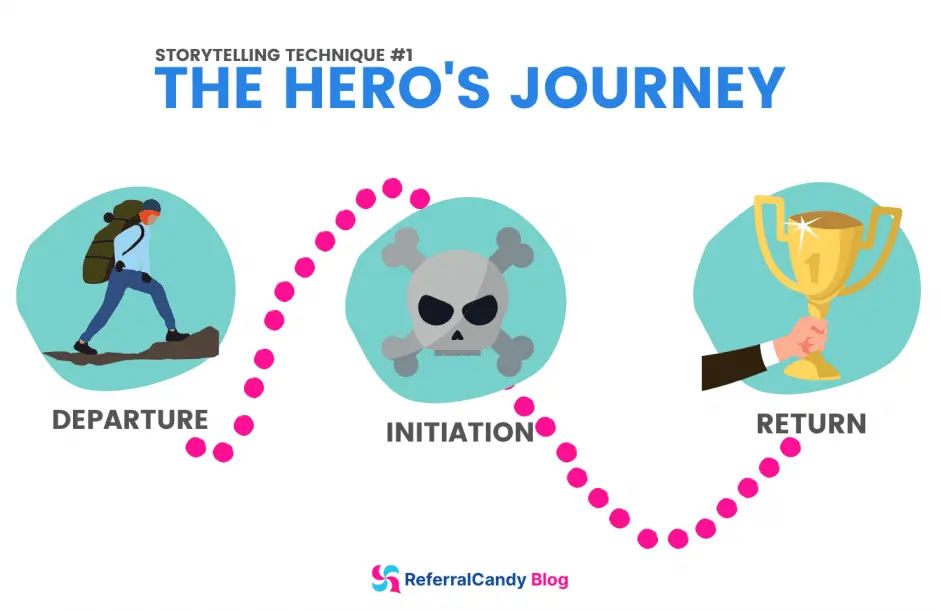
As the three above paragraphs demonstrate, there are three distinct acts of the Hero's Journey. These were defined by Joseph Campbell in 1949 as:
- The Departure Act: the first act involves the mighty hero character leaving home and pledging to return home with the desired outcome.
- The Initiation Act: The hero has now ventured into treacherous and unknown territory, facing and overcoming many trials that test their strength, bravery, and mental fortitude.
- The Return Act: The hero is triumphant, the day is won and the hero returns home to deliver whatever it was they sought out to save the day.
In the case of content marketing or even referral marketing, you want to put the customer in the role of the triumphant hero and your product as the thing that will get them there. Like if Frodo was your customer and the ring was your product.

Once you understand the basics of this universally loved storytelling technique, there are no limits to how your content can perform.
How to use it: Create an epic journey out of your customer experience by telling the story of the hero (aka, your customer) who is faced with an impossible challenge (like, say, a breakable smartphone) only to triumphantly return to safety (via your brand’s smartphone case).
Before-After-Bridge
The Before-After-Bridge is a writing technique that reveals the happy ending before telling of the solution that brought the happy ending.
Kinda like those movies that start with the ending first.
In the case of content marketing, you want to show your customers how happy they could be before telling them that your product is what will make them happy.
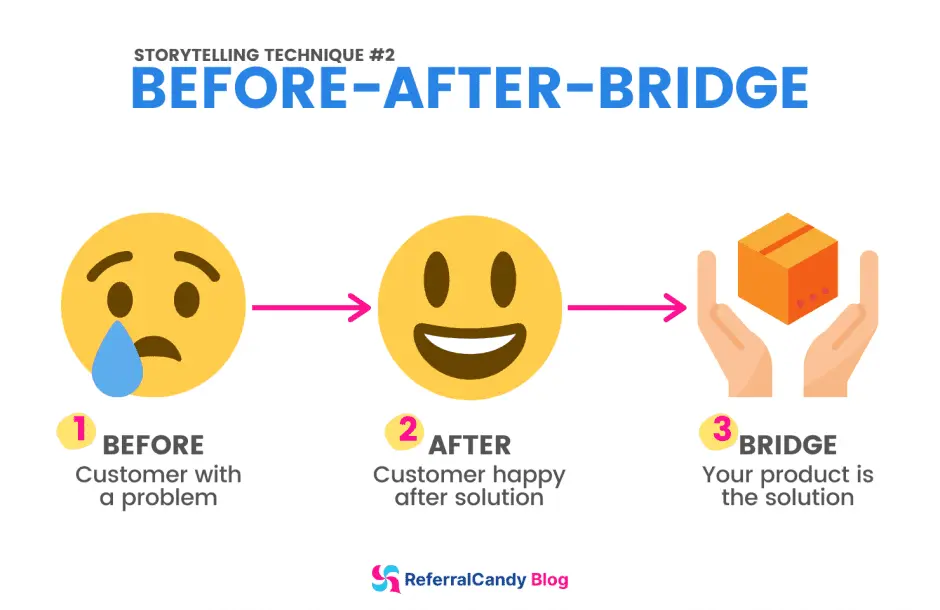
The Before-After-Bridge is designed to not only help out your reader and provide them with valuable information but also to make your product or service the solution to their problem.
It works like this:
- Before. Start off by relating to your reader, in detail, or show them you understand and care about their problem.
- After. Next, explain how much easier and better their life could be if they didn't have that problem. Make it clear that this side of the fence is much better than the side they are currently finding themselves on. Yes, the grass is definitely greener over here.
- Bridge. The last step, provide your reader with an easily obtainable solution. The solution is the bridge that gets them from their side of the fence to yours.
How to use it: Identify with the painful customer experience and then tell them about all of the other customers who have found a way out of their misery. Then tell them about how your product helped get them there.
This approach can also apply to affiliate marketing campaigns, where stories from partners and customers build credibility and trust.
AIDA
AIDA is an acronym outlining a four-step structure that methodically and succinctly delivers your message across to your audience.
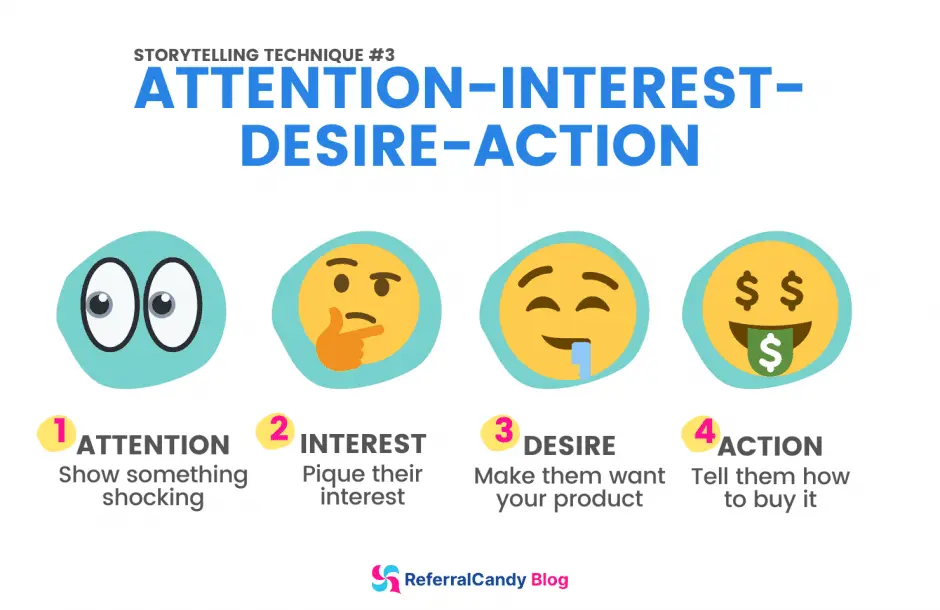
It goes something like this:
- Attention. First, you must grab the attention of your audience. There are many ways to do this, whichever you choose, make it fast. Attention spans don't often last long.
- Interest. Once you've gained your audience's attention, it's time to generate a touch of interest to keep them engaged. Something relatable, controversial, or helpful works best.
- Desire. Next, as any good storyteller will have you know, you must conjure up your audience's desire. Leverage basic human nature, aspects like curiosity, inspiration, or creativity.
- Action. And last, guide your audience to a call of action. For example, "To solve said problem, do this and your troubles will be no more."
Carl’s Jr. did something like this back in the early 2000s with a controversial campaign featuring scantily clad models eating their burgers.

The naked body grabbed people’s attention and the burgers kept their interest. It got everyone talking about them and buying their burgers too.
Apple uses the same technique (with fewer scandals) by making a bold statement in their ads that immediately grabs your attention.

By teasing us with such a bold statement, you can’t help but want to learn more about the iPhone’s privacy standards.
How to use it: You don’t have to use sex to sell your product, but you can use something that will get your customer’s attention.
PPPP
The four Ps structure is very similar to the AIDA strategy yet it offers more expansive elements.
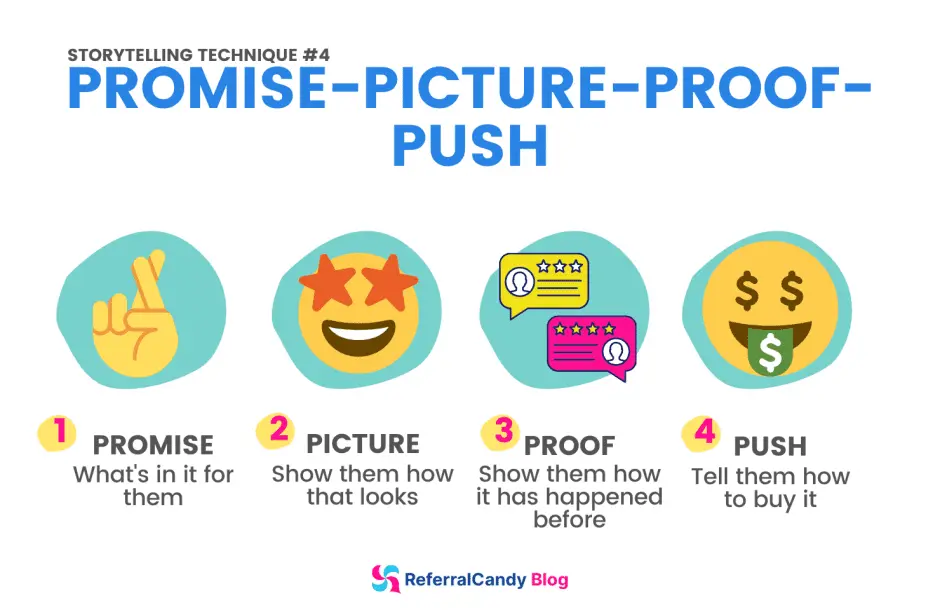
The four Ps consist of these four stages:
- Promise. To start with, make a promise to your audience to catch their attention. As I'm sure you can probably guess by now, promising to fix somebody's problem is a great place to start.
- Picture. Next, storytelling is said to be an art form so set the stage by painting a picture with vibrant, descriptive, and engaging language. A great way to do this is by getting the reader to imagine enjoying the benefits of the desired outcome.
- Proof. Proof. Now you've set the tone and shown the reader your content is beneficial, it's time to provide a little proof of your claims and points. Statistics, graphs, and cited studies work best here. Using an AI chart maker like Venngage can help you quickly turn raw data into engaging visuals that strengthen your story.
- Push. And last but not least, the push. The push is the all-important call to action phase, the portion of your content that encourages and persuades your audience to do business with your brand.
Broadening the AIDA structure, the four Ps further this storytelling structure and add even more depth to your narrative.
How to use it: Put your customers in the story by showing them how their lives can be tremendously improved by your product. Use customer reviews to back that statement up.
25 Examples of Storytelling in Marketing
A. Challenge Plot: Stories about overcoming great difficulty
Stories under this category are all about the underdog; someone facing a great, insurmountable challenge.
Why is the underdog story such a compelling one? Perhaps it's the way we feel justice and fairness has prevailed when the underdog wins.
Or perhaps it's the way it inspires us to feel like we can overcome adversity as well.
The brands featured here are fighting against major players to bring the best quality and prices to customers.
1. Warby Parker – 'socially conscious, designer eyewear at a revolutionary price'
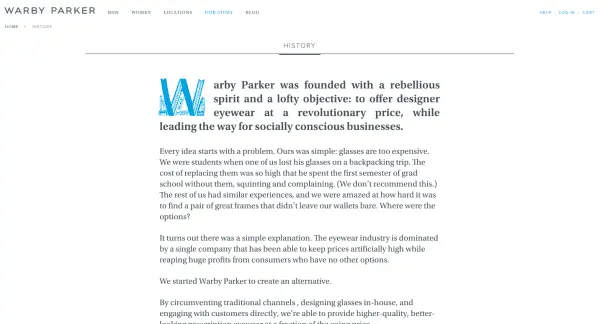
The eyewear industry is dominated by a single company that produces and controls over 80% of the world's major eyewear brands. This enables them to control the prices whichever way they please.
Warby Parker was founded with a mission: to disrupt this monopoly and sell awesome eyewear pieces at affordable prices.
2. Dollar Shave Club – 'a great shave for a few bucks a month'
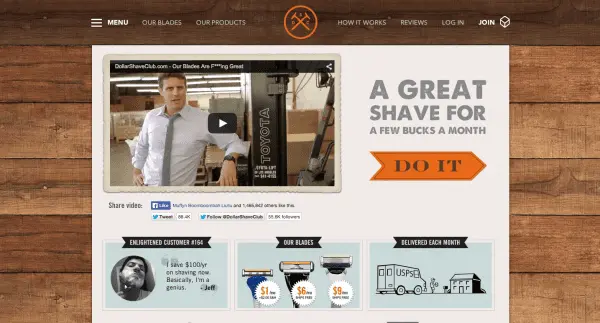
Dollar Shave Club answers a simple question: Why pay more for shave tech you don't need?
Many shavers out there have features that promise a better shave, but also a heftier price tag.
Dollar Shave Club wants to change that by delivering great shavers to your doorstep every month for as little as $1!
3. Greats – direct-to-customer designer shoes
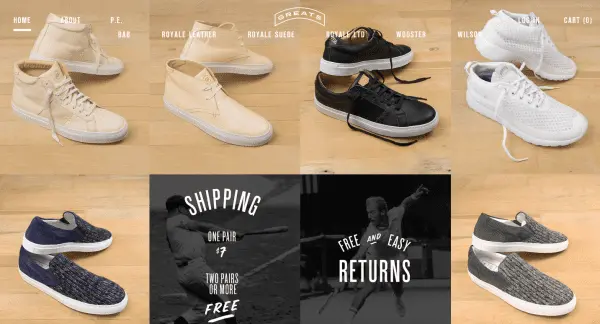
Jon Buscemi and Ryan Babenzien have been in the footwear industry for a couple of decades.
Their experience made them realize how customers were paying for the costs of an inefficient system.
Selling directly to customers allowed them to sell their shoes for half the price in half the time.
Greats managed to attract a huge following, despite a tiny marketing budget.
Listen to more of their origin story in the video below:
https://www.youtube.com/watch?v=0f56o1Kls3I
4. Star Wars – a massive Empire of merchandise, games, etc built around a sticky story
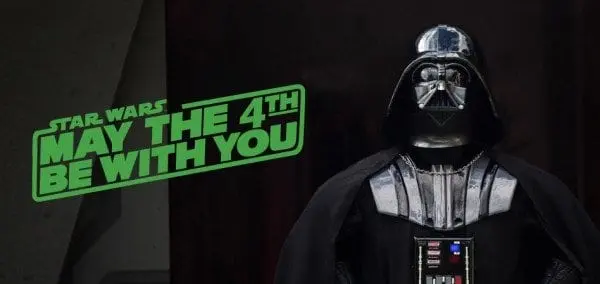
Luke Skywalker's story was based on the original Hero's Journey. Today, that story and the Universe it was set in is at the heart of a massive industry.
5. Everlane – a new story around buying clothes
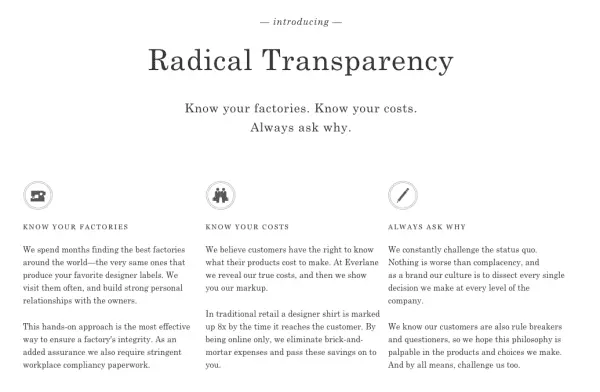
Founded by Michael Preysman on the premise that customers should know what goes on behind each price tag, Everlane promises to be transparent in every aspect of their business and to deliver high-quality products at affordable prices by skipping unnecessary middlemen.
In less than three years, Everlane was reported to be generating $12 million in revenue, with some of its products carried by movie stars.
6. Chipotle – The Scarecrow told a story of a little guy versus a massive, industrial corporation

“The Scarecrow” was an integrated campaign that included an animated short, a mobile game, and a song. The campaign depicts a scarecrow’s (representing Chipotle) efforts to combat the fictional evil industrial farming corporation, Crow Foods, by bringing sustainable food to the masses.
The video garnered over 6 million views and the overall campaign generated over 614 million PR impressions.
7. Under Armour – #IWillWhatIWant represents triumph over adversity
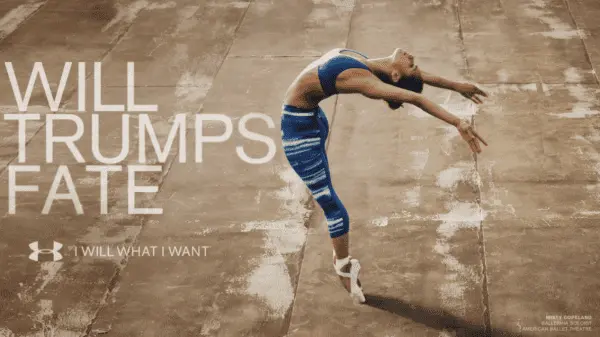
The campaign features ballet dancer Misty Copeland, Olympic skier Lindsey Vonn, supermodel Gisele Bundchen, and others.
B. Connection Plot – Stories about coming together
It's always nice to witness characters from different backgrounds bonding together.
These stories of prejudices and stereotypes being cast aside motivate us to be more loving and accepting of one another.
The brands featured below provide a platform where customers can build a relationship with other communities. They are given the opportunity to share as well as learn something meaningful.
8. TOMS – "One for One"
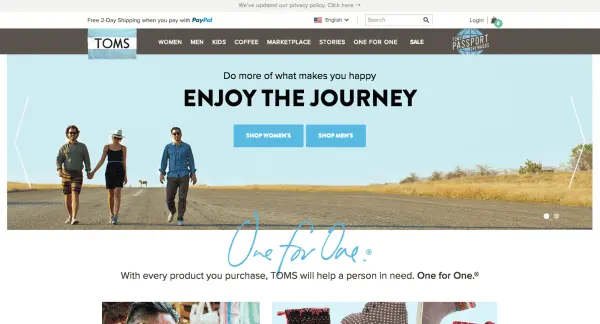
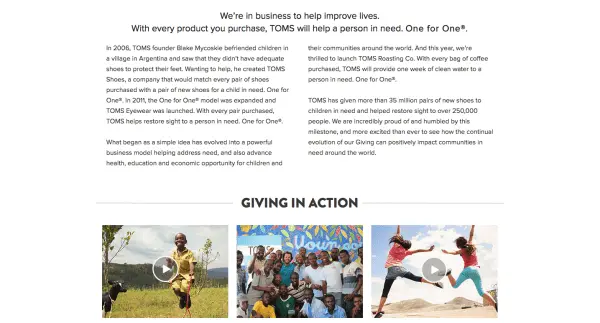
The core of TOMS lies in their One for One® model. Whenever customers buy a pair of TOMS shoes, eyewear, or coffee beans, they can feel like they've become part of something meaningful.
9. Pura Vida Bracelets – #giveback to artisans in Costa Rica
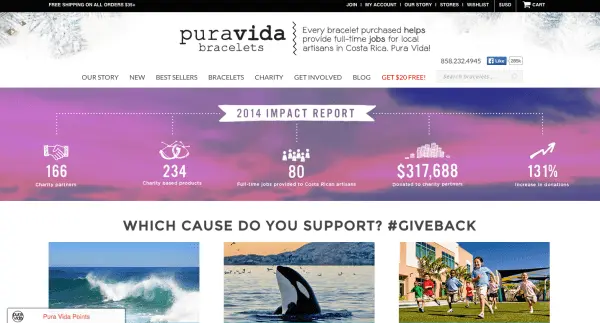
Pura Vida Bracelets started with the idea of providing jobs for artisans in Costa Rica by selling their bracelets online.
It has since expanded with their Charity Collection: helping to give back to more than 100 charities globally.
Whenever customers buy a bracelet that supports a cause, 20% goes to helping that cause.
10. Tentree – Saving the world with every ten trees
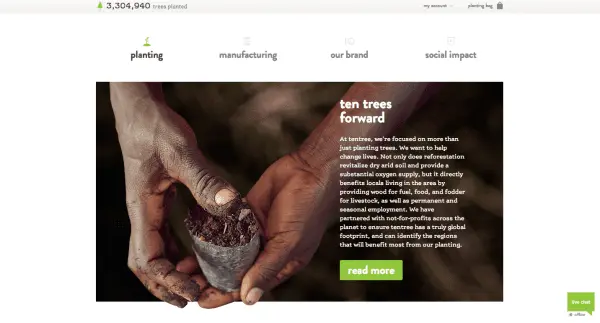
Tentree provides a more intimate connection between consumers and the environment.
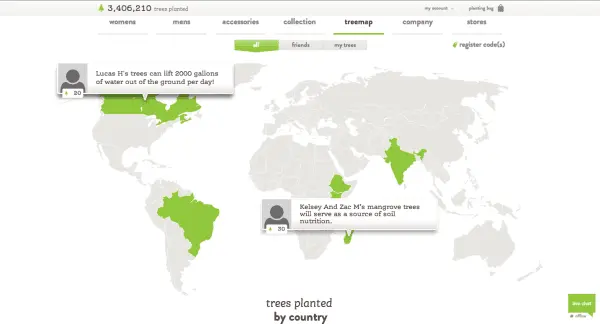
For every purchase, ten trees are planted on their behalf in places like Madagascar and Ethiopia. Reforestation helps prevent landslides and floods, allowing the locals to farm and stay in safety.
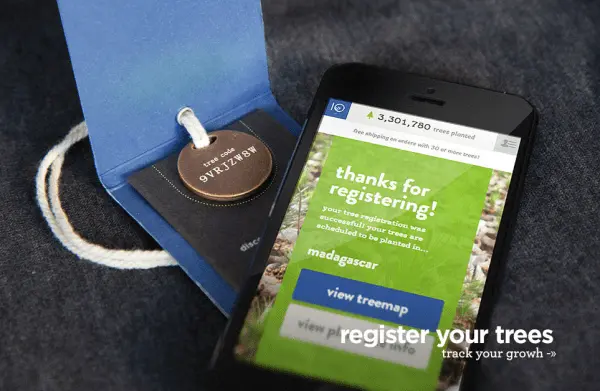
Each customer is given their own tree tag, so they know which tree was planted thanks to them. This provides customers with a direct sense of achievement and ownership.
11. Airbnb – Connecting people around the world
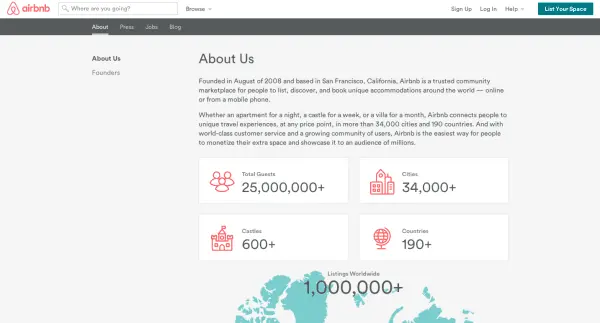
Airbnb is an accommodation marketplace, where everyone can list and book accommodations around the world.
It provides a platform where people from different countries and cultures can connect through shared living space.
Places such as villas or even castles can be booked, ensuring a one-of-a-kind experience.
12. CrossFit – an underdog rebellion against the traditional mainstream fitness culture

CrossFit's website: “We have sought to build a program that will best prepare trainees for any physical contingency — not only for the unknown but for the unknowable.”
13. Google – Google Zeitgeist, “Parisian Love” and other Google Stories garnered millions of views for their moving, compelling stories

Since 2010, it has been Google’s tradition to release a video about the entire year’s searches, called the “Year in Search”:
Throughout the video, we get to recap on events that have impacted the world, great people who passed on, heroes that rose to the occasion, and many other emotional incidents. Ultimately, it leaves us with a sense of hopefulness for the next year.
14. Spotify – Say it with music
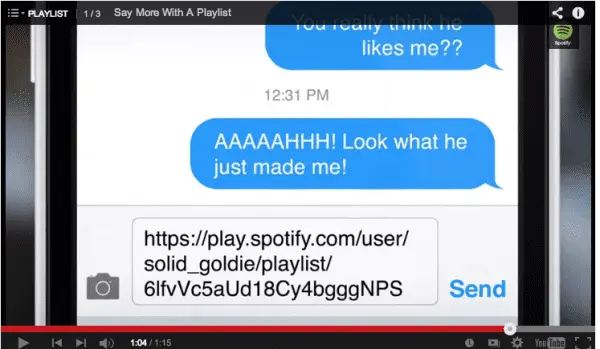
In 2014, The year after, Spotify launched its #thatsongwhen campaign. Few things are as evocative of memories as music and Spotify is using that emotional connection in a new online and social media push that invites users to share their songs and the real stories behind them.
15. Dove – Campaign for Real Beauty
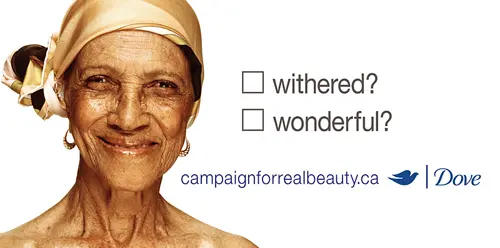
In 2004, Unilever launched the Dove Campaign for Real Beauty that purports to be “an agent of change to educate and inspire girls on a wider definition of beauty and to make them feel more confident about themselves”.
16. Coca-Cola – Teach the world to sing
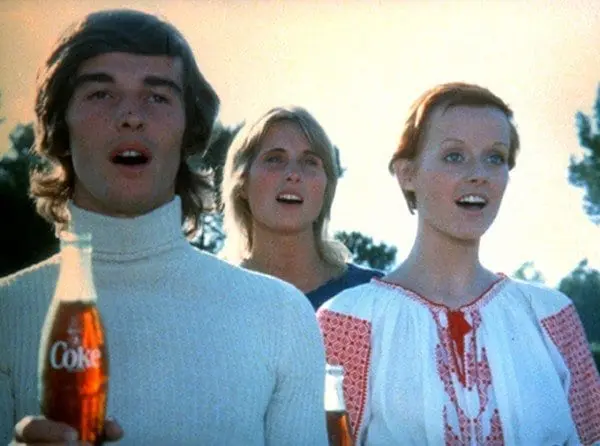
Coca-Cola’s “Hilltop” was an advertising jingle that had the whole world singing along. The song was so popular in fact, that troves of people were calling radio stations and requesting the commercial be played.
It featured a “Chorus of the World”, a gathering of people of various nations ethnicities singing the song “I’d Like To Buy The World A Coke” on a hill.
17. Apple

FaceTime every day was a series of TV commercials that featured people communicating with friends and loved ones over FaceTime.
Focusing on the actors rather than the product (an iPhone 5), the ad demonstrated the emotional power of visual communication.
The ad ends with the line, “Every day, more people connect face-to-face on the iPhone than any other phone.”
C. Creative Plot – stories about a new way of seeing things
The Creative Plot describes an interesting novel way of solving problems. Imagine the genius inventor who created a completely new element to save his life or any other Eureka moment.
Such stories embody a sense of brilliance and utter genius, giving us a sense of awe.
These brands embody this idea and are one-of-a-kind.
18. Asana – teamwork without email

In the modern office, we spent a lot of our time with emails: sorting, filtering, replying, forwarding. A lot of time is wasted, and this doesn't improve the communication and discussion of ideas.
Asana allows teams to create and assign tasks, as well as comment and discuss without the use of a single email.
They have revolutionised the way teams function in a more involved manner while saving time otherwise spent on all those emails.
We've been using it for a while now, and it's really a game-changer!
19. Sugru – 'the future needs fixing'
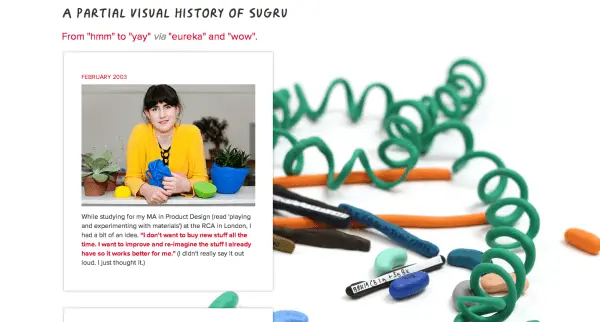
Sugru is the world's first mouldable glue that can turn into rubber.
Founder Jane Ní Dhulchaointigh worked on that idea when she wanted to fix the stuff she had instead of buying new ones.
The final product was born several years later, with some superhero-like properties: strong, durable, flexible, soft, grippy, waterproof, removable, and more!
It has been used on anything from securing dishwashing racks to securing a camera on a plane.
20. JU.ST – the best mayonnaise and cookies in the world
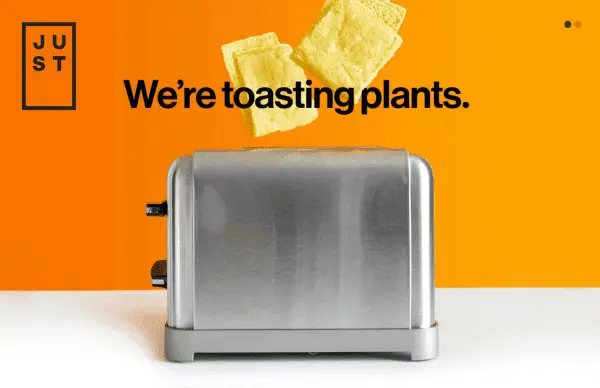
JU.ST wants to create a world that's kinder to animals and the environment.
They started out with their first product, Just Mayo. The special part about it? It contains no eggs.
It's delicious, better for your health, for your wallet, and kinder to the environment!
They also have Just Cookies: sustainable, cholesterol-free, and dairy-free.
21. Moleskine – the legendary notebook (literally)
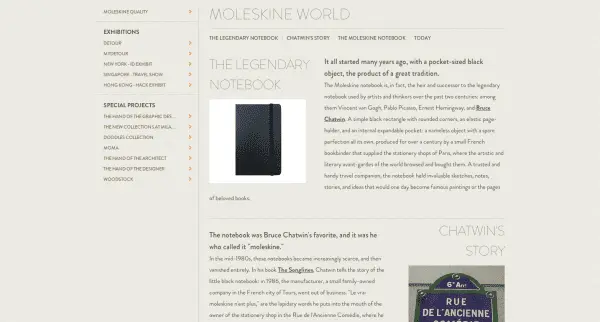
Notebooks have been the companions of some of the greatest artists and thinkers: Vincent van Gogh, Pablo Picasso, and Ernest Hemingway.
They stored all their ideas in them and treated them with great respect and love.
Moleskine started out to honor the tradition of using notebooks.
They wanted to provide people with the same notebooks that had served these remarkable, creative legends on all their epic journeys.
22. Kung Fury – a modern-day over-the-top 80's action bonanza

The trailer for Kung Fury spun a tale of a renegade cop who’s forced to travel back in time to kill Adolf Hitler, with the help of chaingun-totting barbarians, dinosaurs, and a Viking demi-god.
The premise was so crazy that everybody who heard about it was eager to tell all their action-movie loving friends about it.
23. GoPro – your adventurous life

"GoPro was a great name in that it meant “attack it full-on” no matter what your passion or interest is…get after it and live life to the fullest. ‘Be a HERO’ came out of the name of our first product, the HERO Camera.
The idea was that our camera could help you capture photos (and eventually video) that made you look like a HERO."
24. GoldieBlox – toys to empower the next generation of female engineers
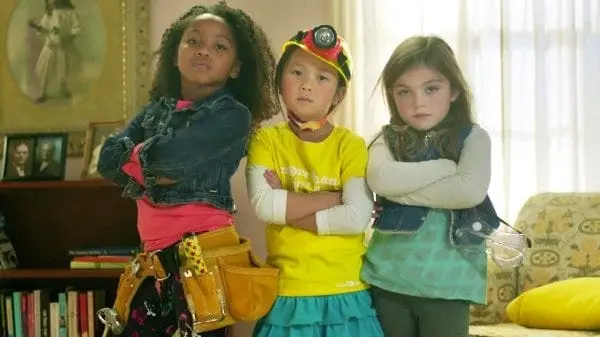
When Debbie Sterling was studying Mechanical Engineering at university, she was bothered by how few women there were in her program.
Her calling to start GoldieBlox came when she realized that construction toy sets like Lego, which developed logic, spatial understanding, and other important skills, were often given to boys and not girls.
GoldieBlox was to fill in the gap and be the toy Sterling wished she had, to allow young girls to develop an interest in engineering and building. This would then help them gain an equal footing when competing with the boys in those career fields.
25. Atlas Pet Company - great gear for great dogs
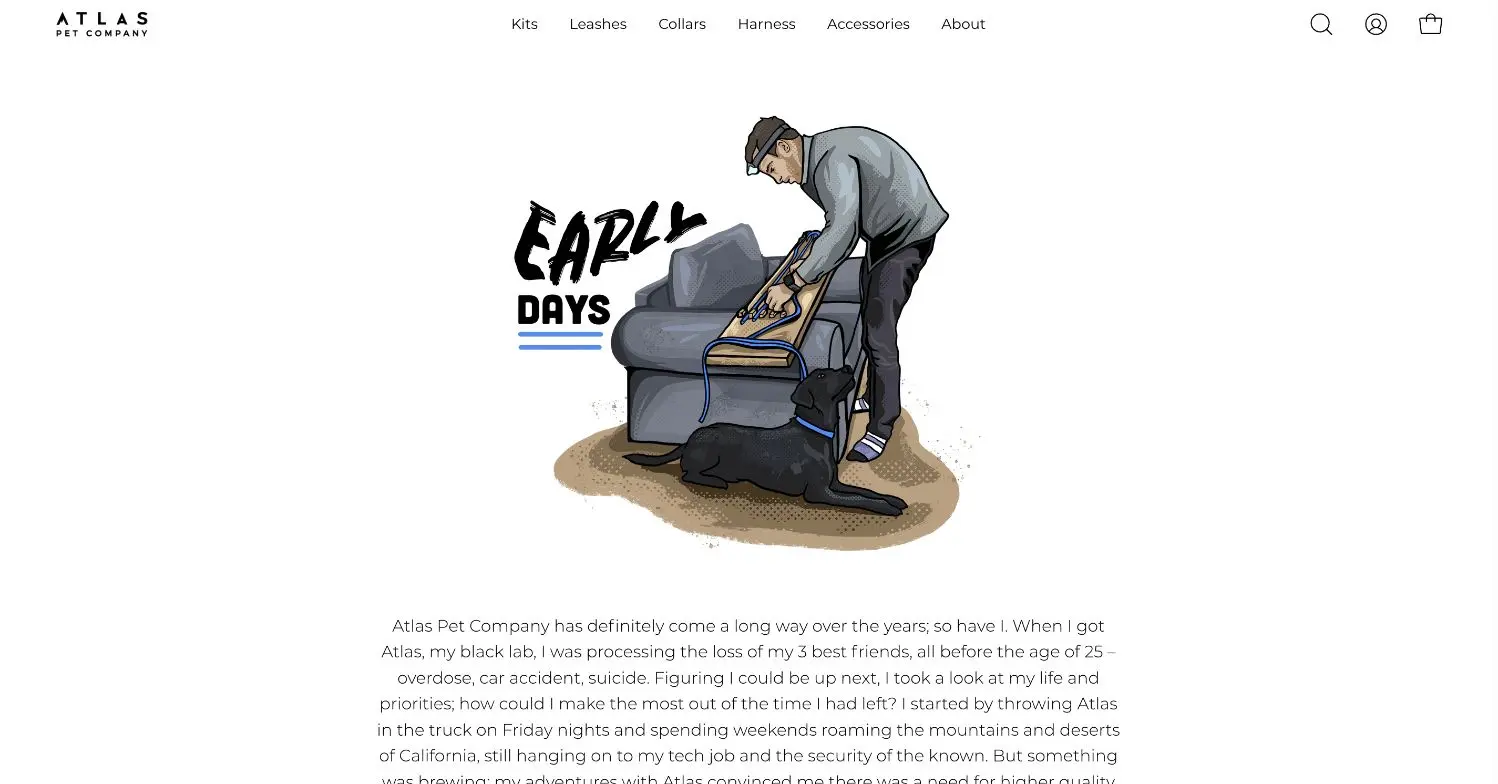
Founder of Atlas Pet Company, Sam, shares a very heart-wrenching personal story on how he came about creating the best dog gear for a man's best friend. In his words, "You don’t compromise when it comes to your best friend, and neither do we." And that's how he guarantees the best quality products made by his team.
FAQ
Why does storytelling work in marketing?
Storytelling works in marketing because it packages information into a sequence people can follow, remember, and retell. A good story gives the audience context for why a product exists, what problem it solves, and what changes after using it. That structure reduces skepticism because the message feels like an experience, not a claim. Storytelling also increases brand trust by showing motivations, tradeoffs, and real-world outcomes, not just features. When the audience can repeat your story in their own words, you get stronger word of mouth and more consistent conversions across channels.
What are the key elements of a good brand story?
A strong brand story has a clear main character, a specific problem, and a believable turning point that leads to a better outcome. In marketing, the customer should usually be the hero, and the brand should play the role of guide, tool, or ally. The story needs concrete details, because specifics create credibility and make the narrative feel real. It also needs a consistent voice, so the audience recognizes the brand across ads, emails, product pages, and social content. When these elements are aligned, your messaging becomes easier to understand, easier to share, and harder for competitors to copy.
Which storytelling framework should I use (Hero’s Journey vs Before-After-Bridge vs AIDA vs PPPP)?
Choose a storytelling framework based on where the audience is in the buying journey and what you want them to do next. Use the Hero’s Journey when you want a deeper brand narrative, such as founder story, mission, or a customer transformation over time. Use Before-After-Bridge when the audience is problem-aware and you need a fast contrast between their current pain and the desired future, then a simple path to get there. Use AIDA for ads and landing pages where attention is limited and you need a clean progression from hook to action. Use PPPP when you need more persuasion, because it forces you to make a promise, paint a picture, add proof, then ask for the next step.
What are the best storytelling examples in marketing, and what can I copy from them?
The best storytelling examples in marketing usually follow one pattern: they simplify a complex value proposition into a memorable narrative the audience can repeat. You can copy the structure by identifying the villain (the frustrating status quo), the hero (your customer), and the win (the specific outcome they want). Strong examples also anchor the story with proof, like a vivid demonstration, a customer quote, or a concrete before-and-after result. They avoid vague claims and focus on one central message, repeated consistently across formats. When you borrow these principles, your content becomes clearer, your positioning sharper, and your brand more recognizable even in crowded markets.
At the core of every great brand is a story
Here's a quick summary of what we've shared:
- Tell a personal story. Everything's always more relatable when it comes to your life experiences.
- Immerse your audience. Grab their attention.
- Add a bit of spark to the story. No one likes a boring story but again, no one has a boring story, it's just a matter of how you deliver it.
Ask yourself: what is the motivation behind your brand? What problems did you set out to solve?
The story you tell shouldn't be any story; it should be a story about your passion and motivation.
Focus on telling that story, and people will listen — and if you’re ready to grow through word-of-mouth, discover our pricing options and launch your referral program.
Don't forget that a great brand story with great storytelling also has to have a distinct brand voice because that's how you distinguish your brand from others and that's also how people can easily recognize you.
Read next: Storytelling For Brands: The Ultimate Guide To Storytelling [Infographic]