Key Takeaways
- Enterprise brands and Shopify stores need fundamentally different affiliate tools -- there's no single "best" platform
- Pricing models range from flat monthly fees ($89/month) to custom enterprise contracts with revenue-share cuts. Understand the math before signing.
- B2B SaaS companies should prioritize recurring commission support and partner portals over raw network size
- Most platforms offer free trials. Test with real affiliates before committing to annual contracts.
Affiliate marketing keeps growing because the economics work. You pay for results, not impressions. But picking the wrong software turns a profitable channel into an operational headache -- wrong commission structures, clunky affiliate portals, missing integrations with your stack.
I evaluated these eight platforms on four criteria: feature depth, pricing transparency, integration quality, and how well each tool fits a specific use case. No platform wins across the board. The right choice depends on your business model, team size, and budget.
Here are the eight best affiliate program platforms in 2026, ranked by who they serve best.
1. ReferralCandy: Best for Shopify Brands That Want Referral and Affiliate in One Platform
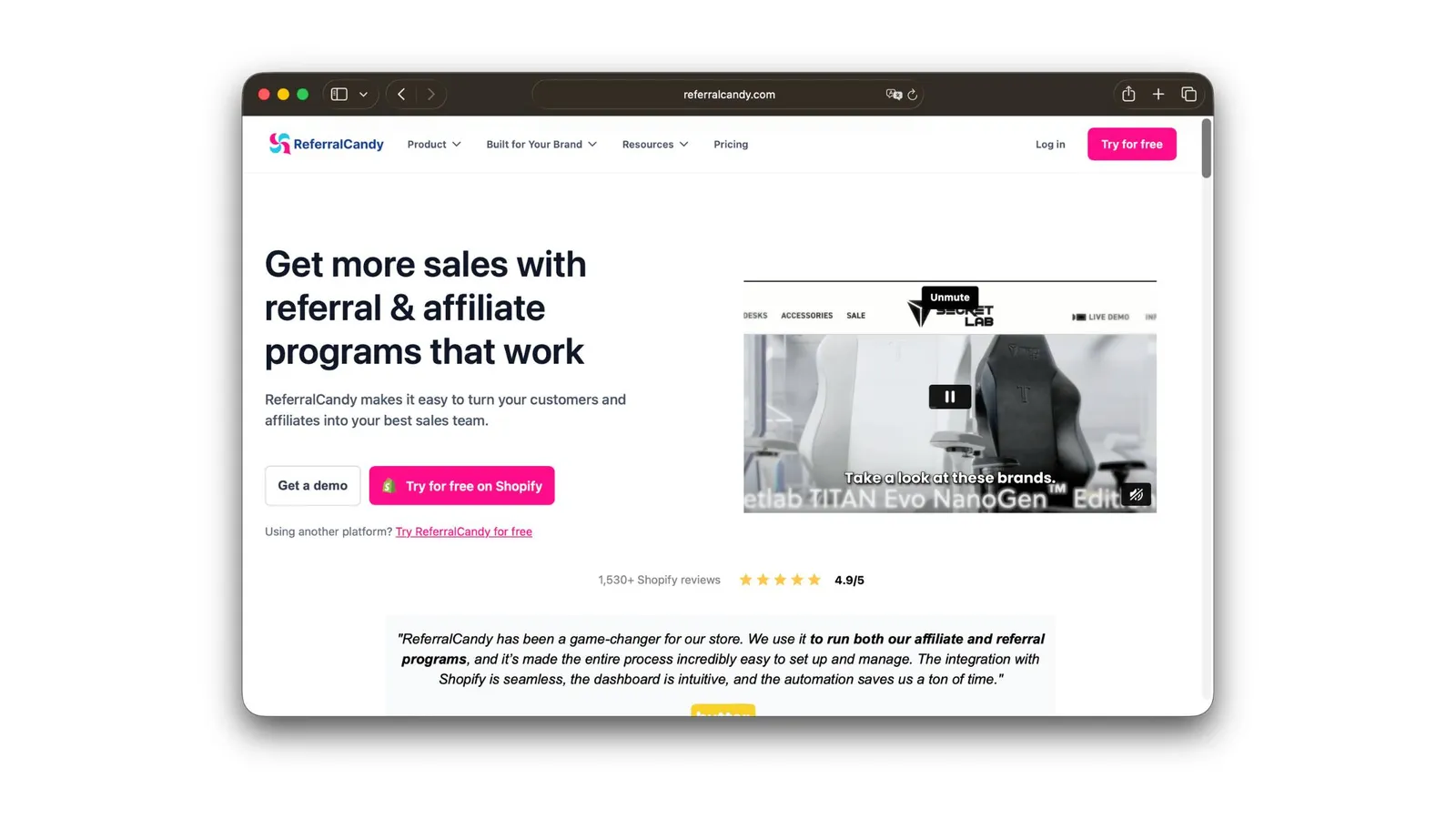
Best for: Shopify, BigCommerce, and WooCommerce brands that want to run both a customer referral program and an affiliate program without juggling two tools.
Most ecommerce brands don't need a heavyweight affiliate network. They need their existing customers sharing links and a manageable roster of influencers and content creators driving traffic. With ReferralCandy's affiliate program software, you can manage both from a single dashboard.
The referral side automates post-purchase enrollment -- customers buy, get a unique link, share it, and both parties earn rewards. Cash payouts, store discounts, or custom rewards. The affiliate side lets you recruit influencers, bloggers, and brand ambassadors with their own commission structures. Set flat-fee or percentage-based commissions, manage applications, and give affiliates a dedicated portal where they grab links, download assets, and track their earnings.
Fraud detection flags suspicious referrals and affiliate activity before payouts go out. A/B testing on referral widgets and landing pages lets you optimize over time. The analytics dashboard breaks down revenue by channel so you see exactly what customers vs. affiliates are driving.
Setup takes about 30 minutes. Install the Shopify app, configure your reward and commission structures, customize the emails and landing pages, and you're live. Pricing starts at $9/month -- the lowest on this list -- with no hidden network fees or long term contracts.
Practical tip: Start with the referral program to turn your existing customer base into promoters, then layer in the affiliate program to recruit external partners. You build two growth channels from one tool.
2. Impact: Best for Enterprise Brands Managing Diverse Partnerships
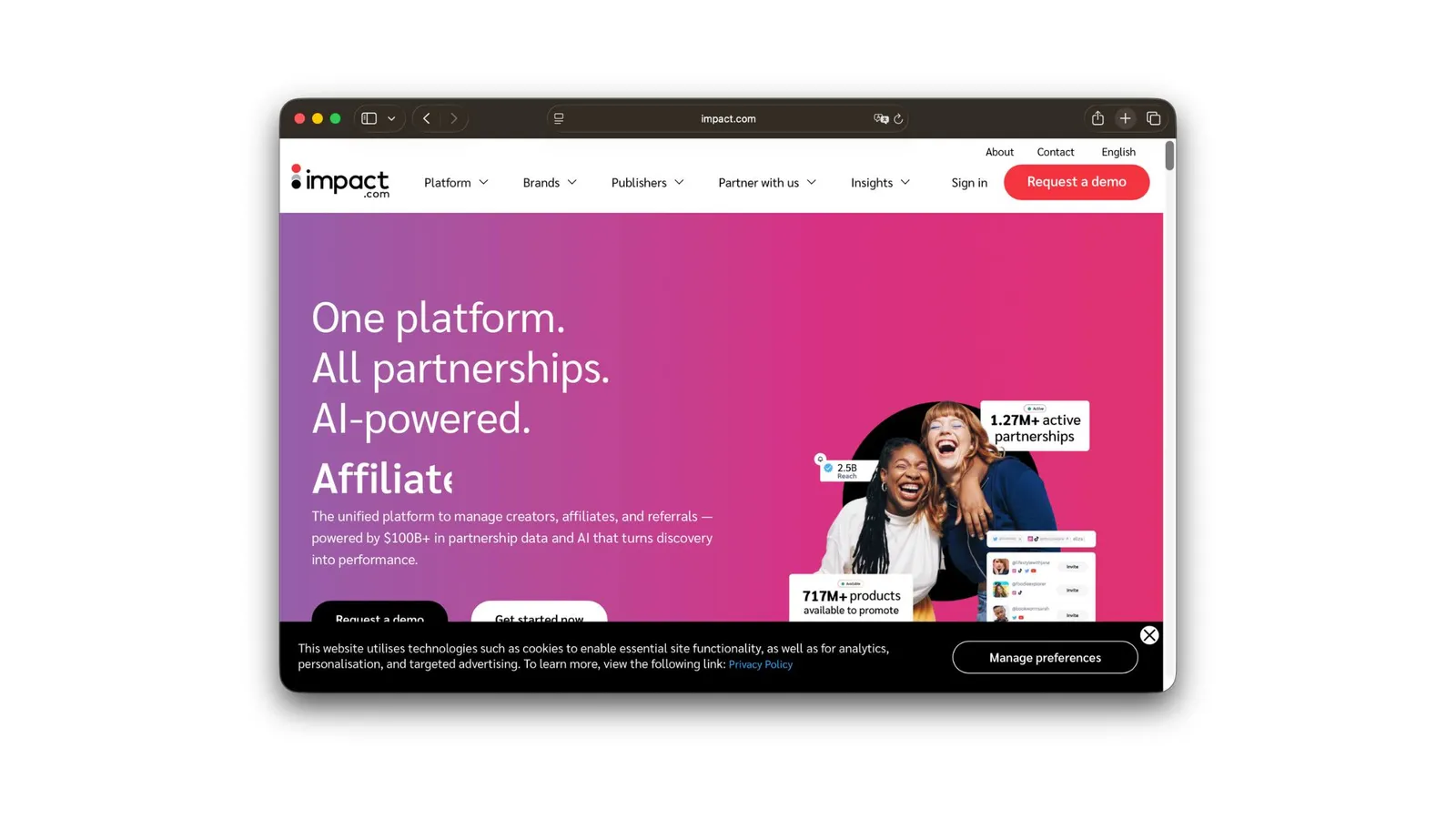
Impact is the heavyweight. It handles affiliates, influencers, brand partnerships, and referral channels inside one platform. If you manage relationships with hundreds of partners across multiple types, Impact consolidates that into a single dashboard.
The partnership automation engine stands out. You set rules for partner discovery, contracting, tracking, and payment -- then the system handles the routine work. Fraud detection is built in, which matters at scale.
Pricing is custom and enterprise-tier. Expect to pay significantly more than mid-market tools. But for brands doing $50M+ in revenue with complex partner ecosystems, the ROI math usually works.
Practical tip: Impact's marketplace connects you with affiliates already vetted and active on the platform. Start there before building outbound recruitment campaigns.
3. PartnerStack: Best for B2B SaaS Companies
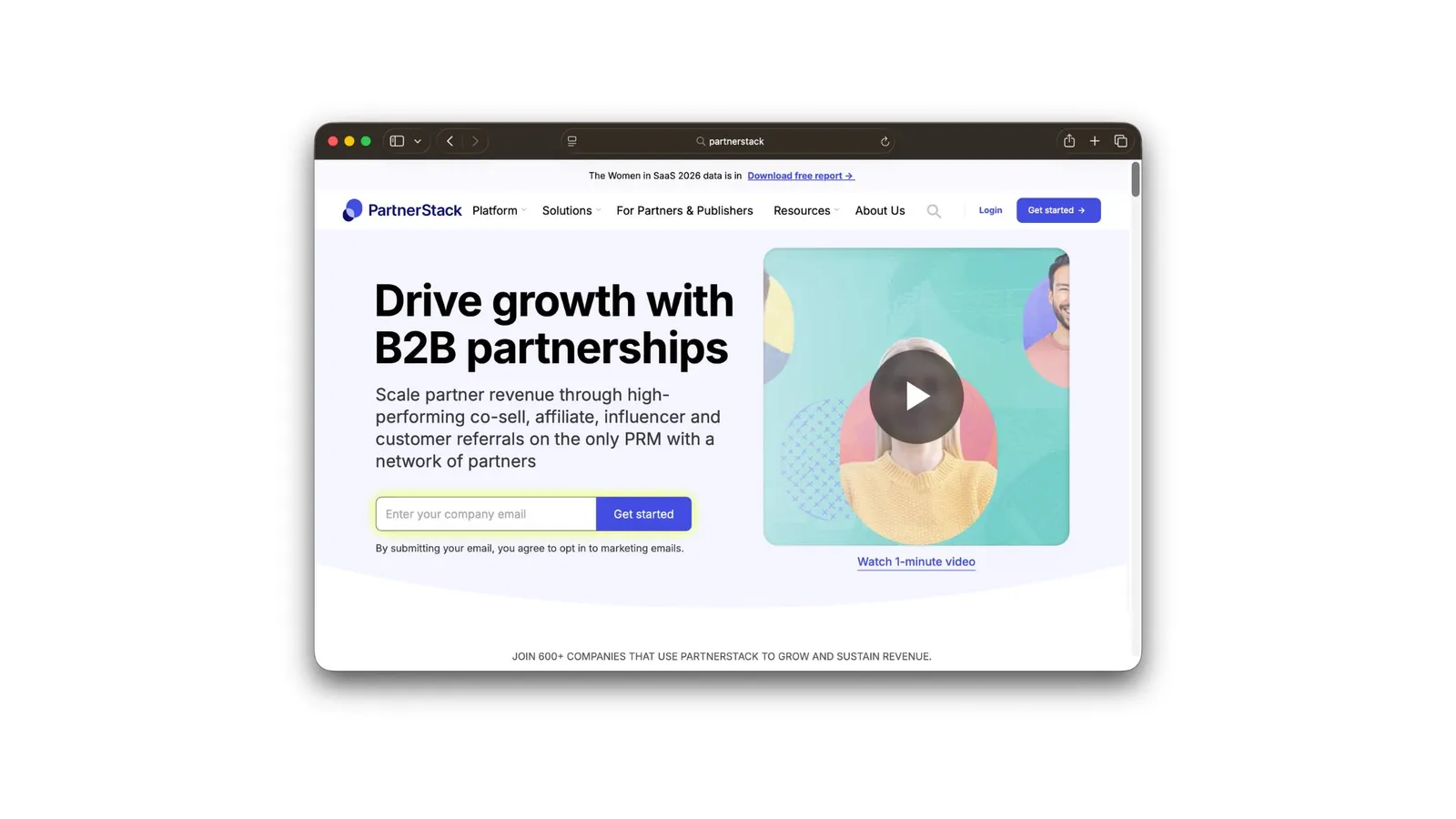
If you sell software on a subscription model, PartnerStack was built for you. It handles the specific headaches of B2B affiliate programs: recurring commissions on monthly and annual subscriptions, tiered partner structures, and a marketplace full of SaaS-focused affiliates and agencies.
What separates PartnerStack from general-purpose tools is its understanding of SaaS metrics. Commission structures can tie into MRR, expansion revenue, and churn. Partners get their own portal to track referrals, access marketing materials, and monitor earnings.
Practical tip: Use PartnerStack's marketplace to recruit affiliates who already promote tools in your category. They bring warm audiences and know how to sell software.
4. CJ Affiliate: Best for Access to a Massive Publisher Network
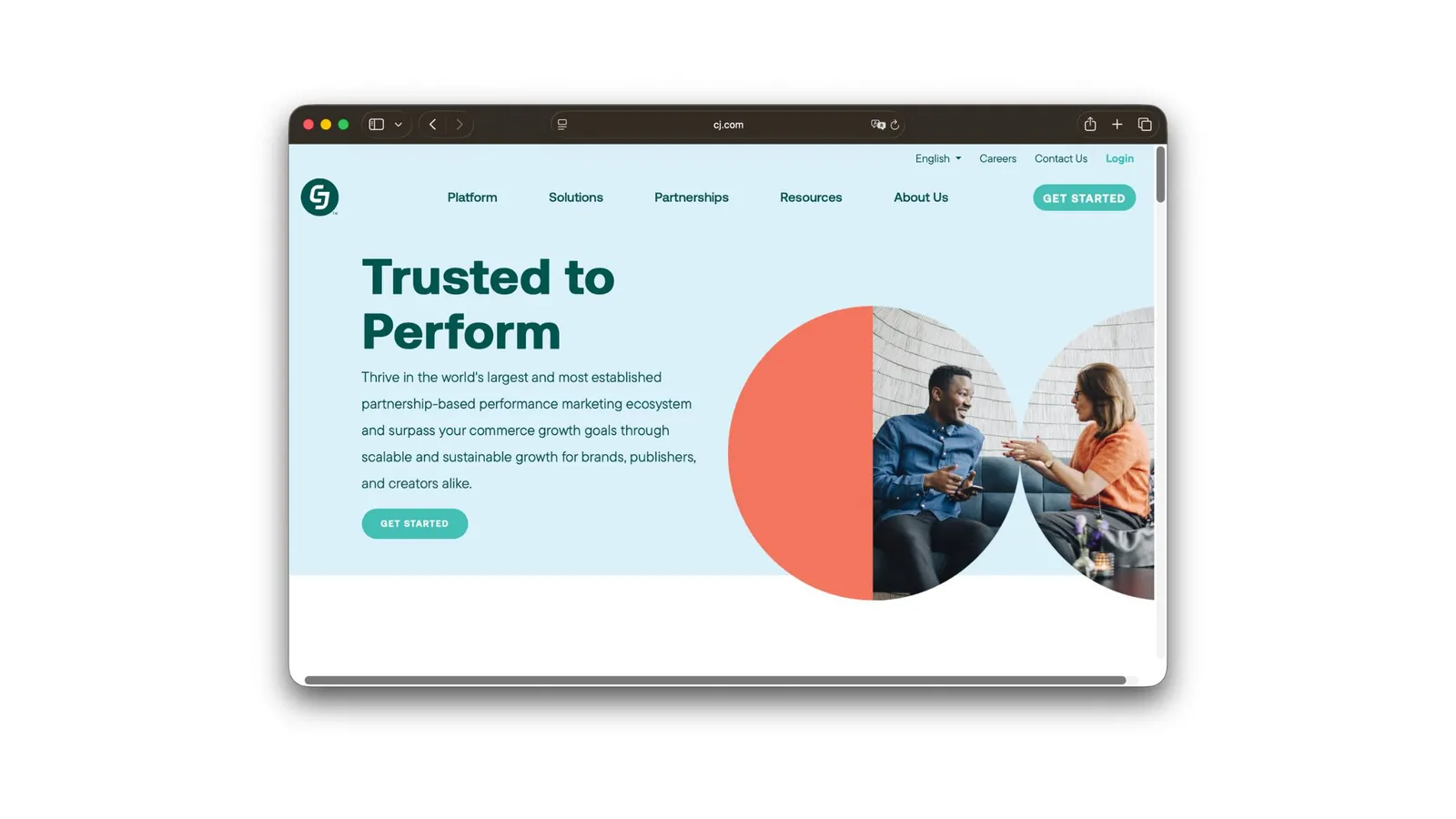
CJ Affiliate (formerly Commission Junction) is one of the largest and oldest affiliate networks. The value proposition is straightforward: access to a deep pool of active publishers and affiliates who are already creating content and driving traffic.
For brands that don't want to recruit affiliates from scratch, CJ solves the cold-start problem. List your program, set commission rates, and publishers apply. The platform handles tracking, reporting, and payments.
The downside: CJ charges network fees on top of your commissions, and the interface feels dated compared to newer platforms. But the sheer size of the network -- and the quality of publishers on it -- keeps CJ relevant in 2026.
Practical tip: Focus your CJ strategy on recruiting editorial content publishers. Coupon and deal sites will apply automatically. The real value is in partners writing genuine reviews.
5. Awin (Including ShareASale): Best for Mid-Market Ecommerce
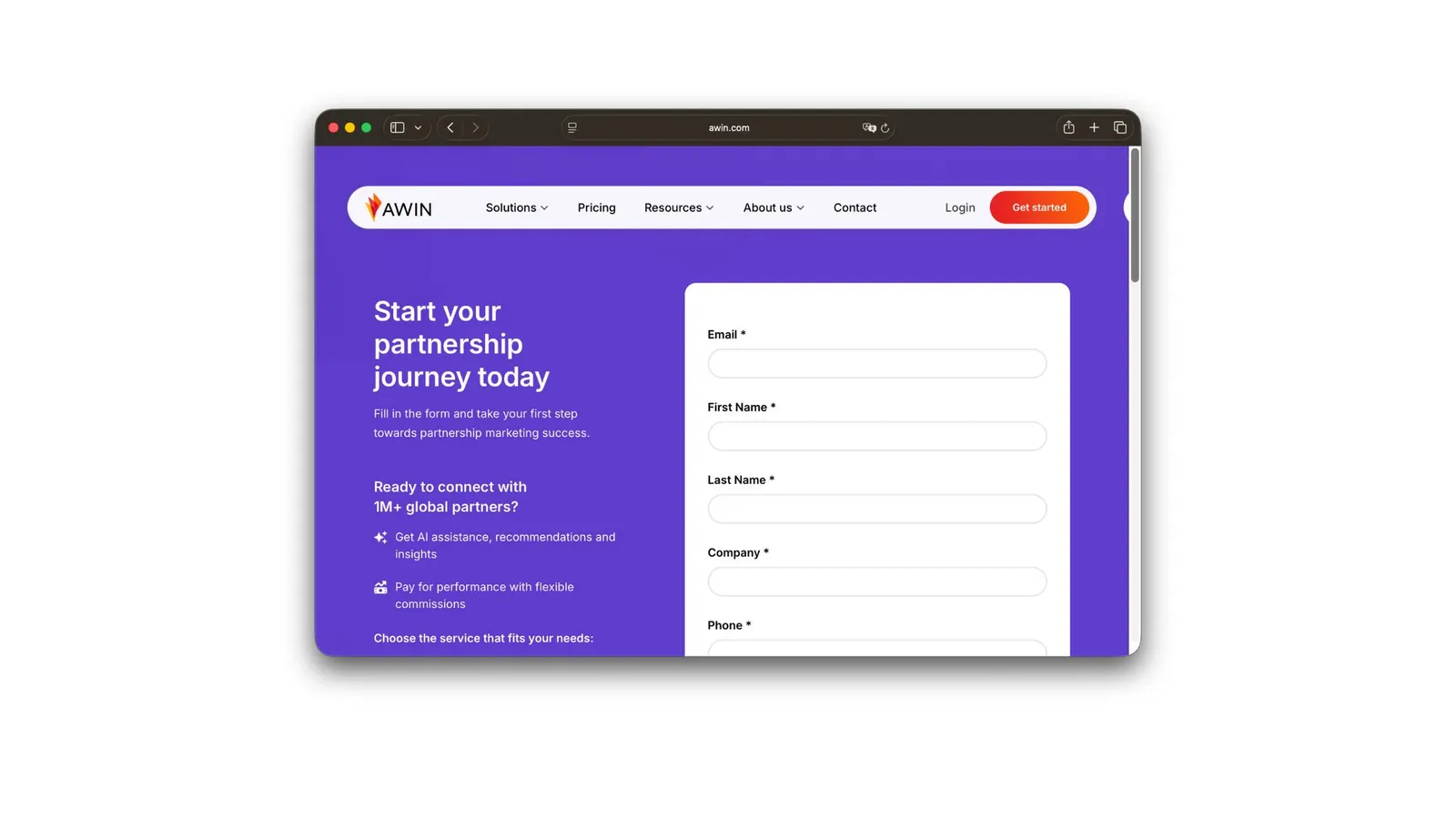
Awin acquired ShareASale in 2017, and the combined network is one of the largest globally -- over 240,000 active publishers, according to Awin's reporting. ShareASale remains a separate interface popular with small-to-mid-size ecommerce brands, while Awin proper serves larger accounts.
For mid-market ecommerce ($1M-$50M revenue), ShareASale hits a sweet spot. Setup is straightforward, and the affiliate pool skews toward content creators and niche bloggers -- exactly the type of partner most ecommerce brands want.
Pricing includes a network access deposit plus transaction fees. Cheaper than enterprise platforms, pricier than self-serve SaaS tools.
Practical tip: ShareASale's real-time transaction reports help you spot top-performing affiliates quickly. Double down on those relationships with custom commission bumps.
6. Refersion: Best for commission management
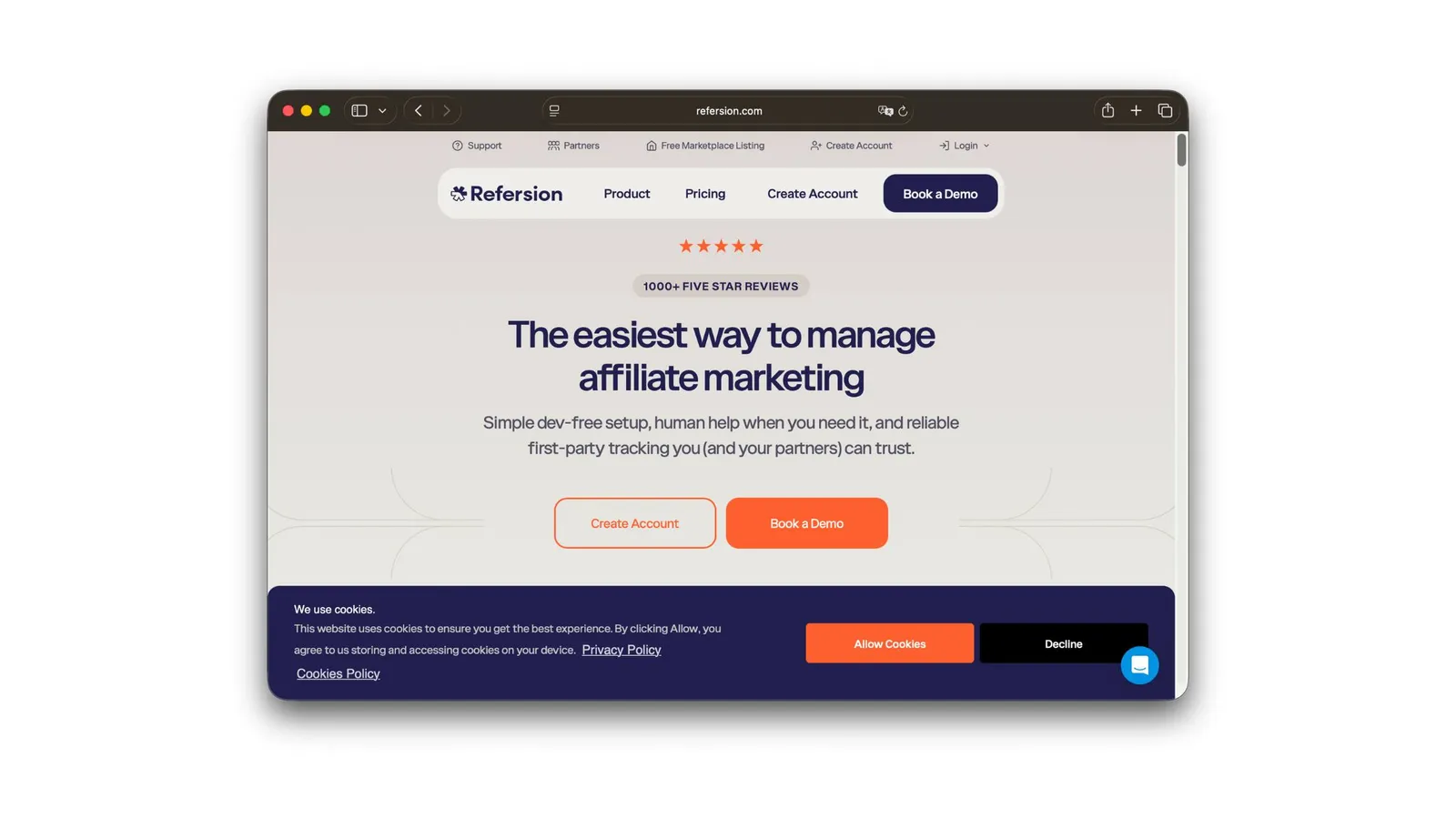
Refersion handles affiliate tracking, commission management, and payouts without stitching together multiple tools.
The platform supports percentage-of-sale, flat rate, tiered, and product-specific commissions. Affiliates get a simple dashboard to grab links, view performance, and request payouts.
Pricing starts around $99/month for smaller programs and scales with order volume.
Practical tip: Use Refersion's widget to convert customers into affiliates. One of the fastest ways to build your roster.
7. Tapfiliate: Best for Startups and Small Teams
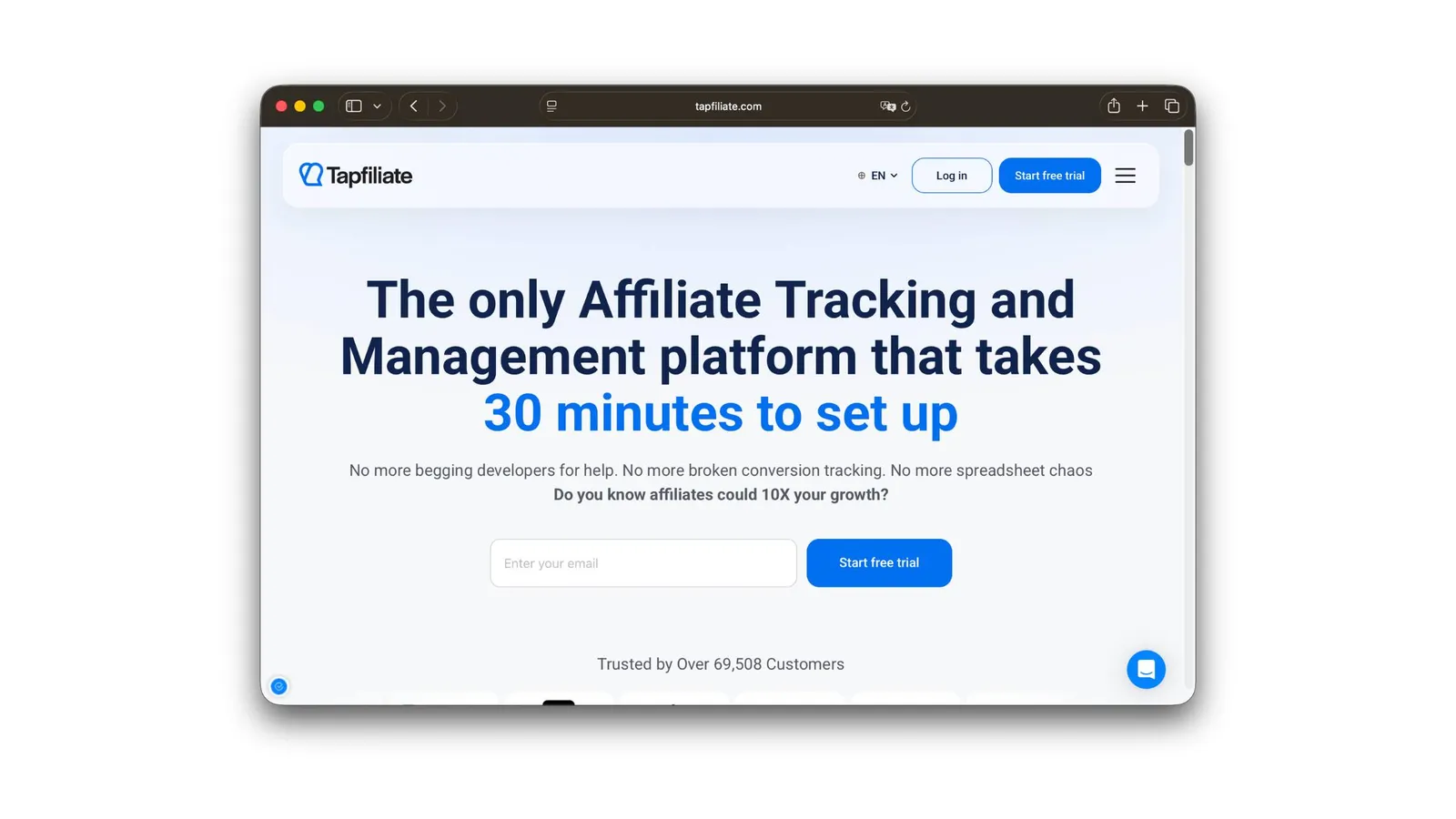
Tapfiliate is the pick when you want a solid affiliate program without a big budget or a dedicated affiliate manager. Clean, simple, does the core job well.
Setup takes under an hour for most sites. You get affiliate link tracking, automated commissions, a basic affiliate portal, and integrations with Stripe, WooCommerce, and most major platforms.
Where Tapfiliate trades off is depth. No advanced automation like Impact. No network access like CJ. No SaaS-specific features like PartnerStack. But if you're launching your first affiliate program and need something that works today, Tapfiliate removes the friction.
Plans start at $89/month with a 14-day free trial.
Practical tip: Tapfiliate's triggered bonuses let you offer performance incentives -- an extra $50 when an affiliate hits 10 conversions. Simple but effective for motivating new affiliates.
8. Post Affiliate Pro: Best for Self-Hosted Control
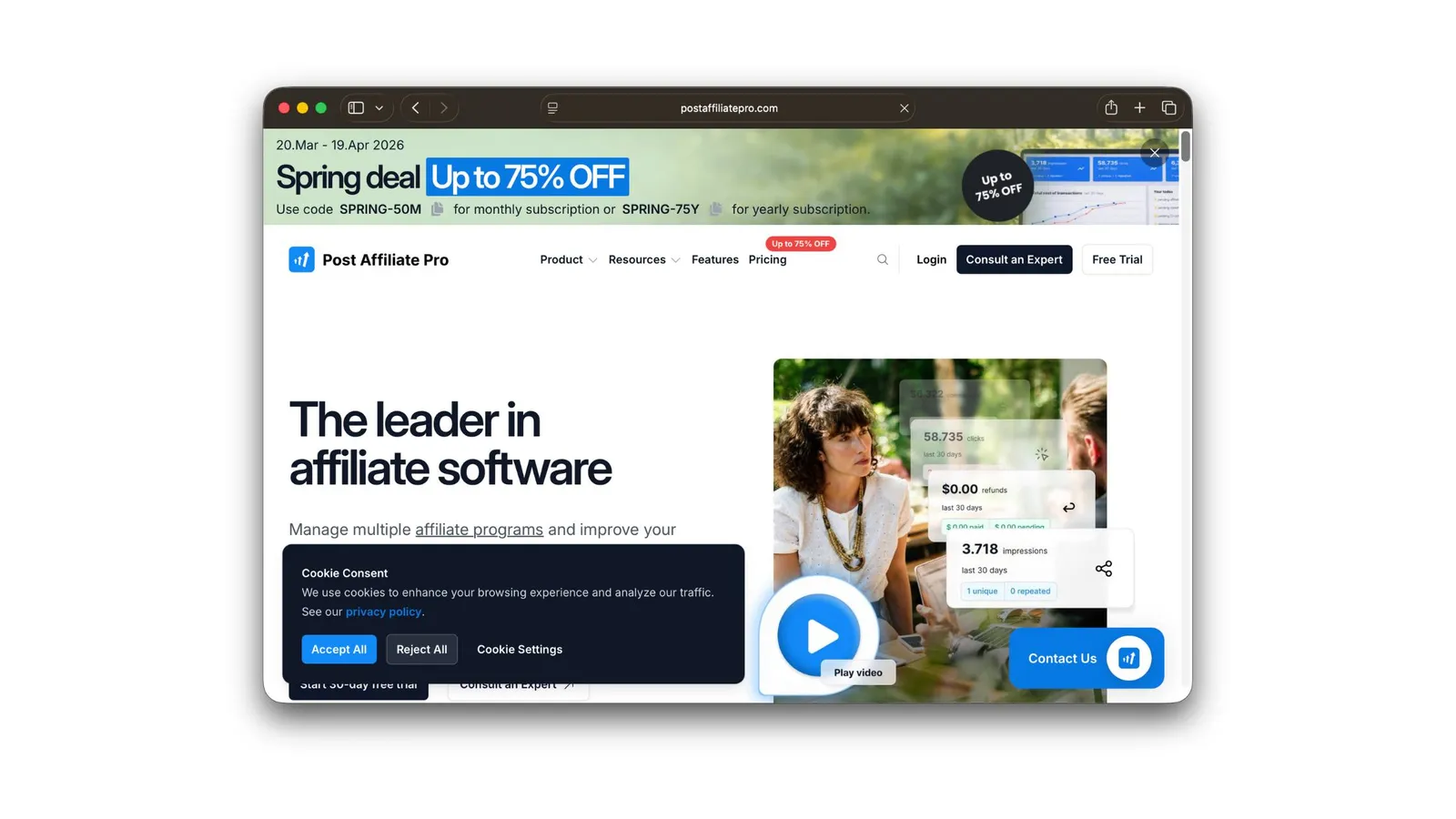
Post Affiliate Pro is the oddball on this list. Every other platform here is cloud-hosted. PAP gives you the option to run affiliate tracking on your own servers. For brands with strict data compliance requirements or custom tracking needs, that's a real differentiator.
The feature list is deep: multi-tier commissions, fraud protection, 200+ integrations, and granular reporting. It supports tracking via links, coupon codes, and direct linking where affiliates don't need a tracking URL at all.
The trade-off is complexity. More technical setup than plug-and-play tools, and the UI hasn't kept pace with newer competitors. You'll want someone technical on your team.
Plans start at $129/month.
Practical tip: If data residency matters for your business -- EU compliance, for instance -- PAP's self-hosted option means affiliate data stays on your infrastructure.
Quick Comparison
Frequently Asked Questions
What's the difference between an affiliate network and affiliate software?
An affiliate network (CJ, Awin) connects you with an existing pool of publishers and handles payments. Affiliate software (Tapfiliate, Post Affiliate Pro) gives you the tools to build and manage your own program independently. Networks charge higher fees but solve the recruitment problem.
Can I run an affiliate program and a referral program simultaneously?
Yes, and many brands do. Traditional affiliate programs target content creators and publishers. Referral programs target existing customers. They serve different audiences and rarely overlap.
How much should I budget for affiliate software?
Self-serve tools run $9-$200/month. Enterprise platforms like Impact are custom-quoted and start much higher. Factor in commissions too -- most brands pay affiliates 5-30% per sale depending on margins.
How do I prevent affiliate fraud?
Look for platforms with built-in fraud detection -- Impact and Post Affiliate Pro are strong here. At minimum, you need click-to-conversion time analysis, duplicate IP detection, and the ability to manually review suspicious transactions before payout.
Which platform is best for Shopify stores specifically?
ReferralCandy offers a native Shopify integration and holds the Built for Shopify certification. ReferralCandy fits well for brands looking to create influencer and customer referral programs working alongside each other.
How long does it take to see results from an affiliate program?
Most programs take 3-6 months to gain traction. The first month is setup and recruitment. Months two and three are testing commission structures and identifying top performers. Meaningful, consistent revenue usually kicks in around month four.
Conclusion
The "best" affiliate software depends entirely on your situation. Ecommerce brand that wants referral and affiliate programs in one tool? ReferralCandy. Running a SaaS company? PartnerStack. Need a massive publisher network? CJ or Awin. Enterprise with multiple partner types? Impact. Starting from zero on a tight budget? Tapfiliate.
Don't overthink it. Pick the platform that fits your use case, start a free trial, recruit 10 affiliates, and see what happens. You can always switch later. The bigger mistake is spending months evaluating when you could be generating your first affiliate sales.